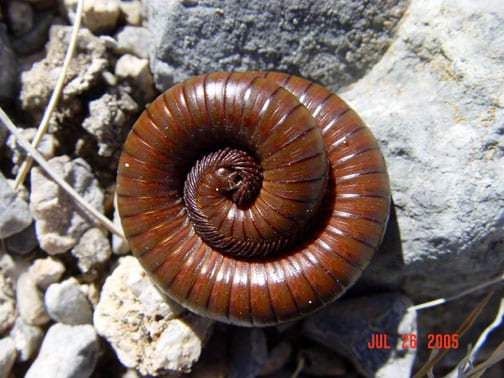
 © U.S. Fish and Wildlife Service / Public domain
Desert Millipede
The Desert Millipede is a large millipede native to the arid regions of the southwestern United States. Its base color is dark brown, though some individuals take on a yellowish tint, and coloration can vary noticeably by locality. Adults typically reach 10 to 15 cm, with the largest individuals growing to around 23 cm. Well suited to dry conditions and quite hardy, it moves slowly and has a calm, docile temperament, making it a good match for owners who enjoy quiet observation. It's considered beginner-friendly to keep, though captive breeding remains uncommon, and with a lifespan of 10 years or more, prospective keepers should plan for long-term care before bringing one home.
View Desert Millipede encyclopedia →0% commission on your first sales!Register by September 30, 2026 and your first 2 sales are commission-free!
Breeder Wanted!
List on BreederDirect and sell directly to customers nationwide!
BreederDirect's 5 Transparency Commitments
When listing Exotic Invertebrates, Breeders disclose the following. We guarantee transparency on growth stage and breeding unit.
- Real Photos
- Breeding Unit
- Generation Info
- Body Length (mm)
- Country of Origin
Browse all 286 breeds
No listings match your filters
Adjust your filters, or get notified when new listings arrive.
Getting alerts is free with a member account. When new listings match your saved search, we'll notify you by email and in-app.
Browse other categories
Verified breeders (preview)
Are you raising exotic invertebrates?
Register as a breeder and connect with buyers directly.
Apply as a breederDesert Millipede key facts
- Care level
- Beginner-friendly
- Lifespan
- Over 10 years
- Size
- 10-15cm (up to about 23cm)
- Diet
- Leaf litter, decaying wood, vegetables and fruit
- Temperature & Humidity
- A desert species that tolerates dry conditions well. The substrate need not be kept wet throughout; wetting part of it every few days is enough. Suppliers publish no specific temperature or humidity figures.
- Enclosure
- Deep humus-rich substrate they can burrow into, plus cork bark hides. Give a generous floor area for such a large species.
- Diet & Feeding
- Leaf litter and decaying wood as the staple, supplemented with vegetables and fruit, which also help hydrate them.
- Temperament & Venom
- Placid and does not bite. It releases an irritating defensive fluid from lateral glands when disturbed, so wash your hands after handling.
- Notes
- It is reported not to reproduce in captivity, so traded animals are mostly wild-collected. Several individuals can be housed together.
About Desert Millipede
A guide to the Desert Millipede, a large, hardy species from the arid southwestern US — beginner-friendly, living 10+ years, and growing to 10–15 cm as an adult.
7 things to know before welcoming a Desert Millipede
1A Dry, Ventilated Setup
Coming from arid habitats, Desert Millipedes dislike excess humidity and can struggle in damp conditions. Choose a substrate that stays on the dry side and keep the enclosure well ventilated.
2A Calm Temperament
These millipedes move slowly and are not aggressive, making them easy to get used to over time. When startled, they may curl up or release a defensive fluid, so handle them gently.
3A Sizeable Adult
Adults typically reach 10 to 15 cm, with the largest individuals growing to around 23 cm. Plan for an enclosure that can be sized up as they grow.
4A Long-Term Commitment
With a lifespan of 10 years or more, keeping one means committing to years of ongoing care. Before bringing one home, make sure you can sustain the right environment over that time.
5Feeding and Cleanup
They feed mainly on decaying leaves, rotting wood, and vegetable scraps. Leftover food and waste can encourage mold and pests, so clean the enclosure regularly.
6Breeding Is Rare
Captive breeding of this species is rarely reported. It's best to focus on caring for the individuals you already have rather than expecting them to reproduce.
7Getting Ready Beforehand
Set up the enclosure, substrate, and a humid hide before bringing your millipede home. Though hardy against dry conditions, avoid extremes of heat or dryness and provide steady ventilation.
Frequently asked questions about Desert Millipede
- Q.Is the Desert Millipede suitable for beginners?
- A.Yes, it's considered a beginner-friendly species and is hardy against dry conditions. As long as you maintain the basic environment it needs, ongoing care is manageable.
- Q.How big do they get?
- A.Adults typically grow to 10–15 cm, with the largest individuals reaching around 23 cm. Size and coloration can vary somewhat depending on locality.
- Q.How long do they live?
- A.They're known to live 10 years or more, so keeping one is a long-term commitment. It's worth considering whether you can provide care over that timeframe before bringing one home.
- Q.Is it safe to handle them with bare hands?
- A.They have a calm, low-aggression temperament, but may curl up or release a defensive fluid when startled. Handle them gently and wash your hands afterward.
- Q.Can they be bred at home?
- A.Captive breeding is rarely reported for this species. It's best to focus on caring for the individuals you have rather than planning around breeding.
Learn more about Desert Millipede in the encyclopedia
View Desert Millipede encyclopedia entry →
Care difficulty, lifespan, size and diet — all basics covered.
More in this category
Can't find the one you're looking for?
Post your wishes for free and breeders with matching animals will contact you with introductions.