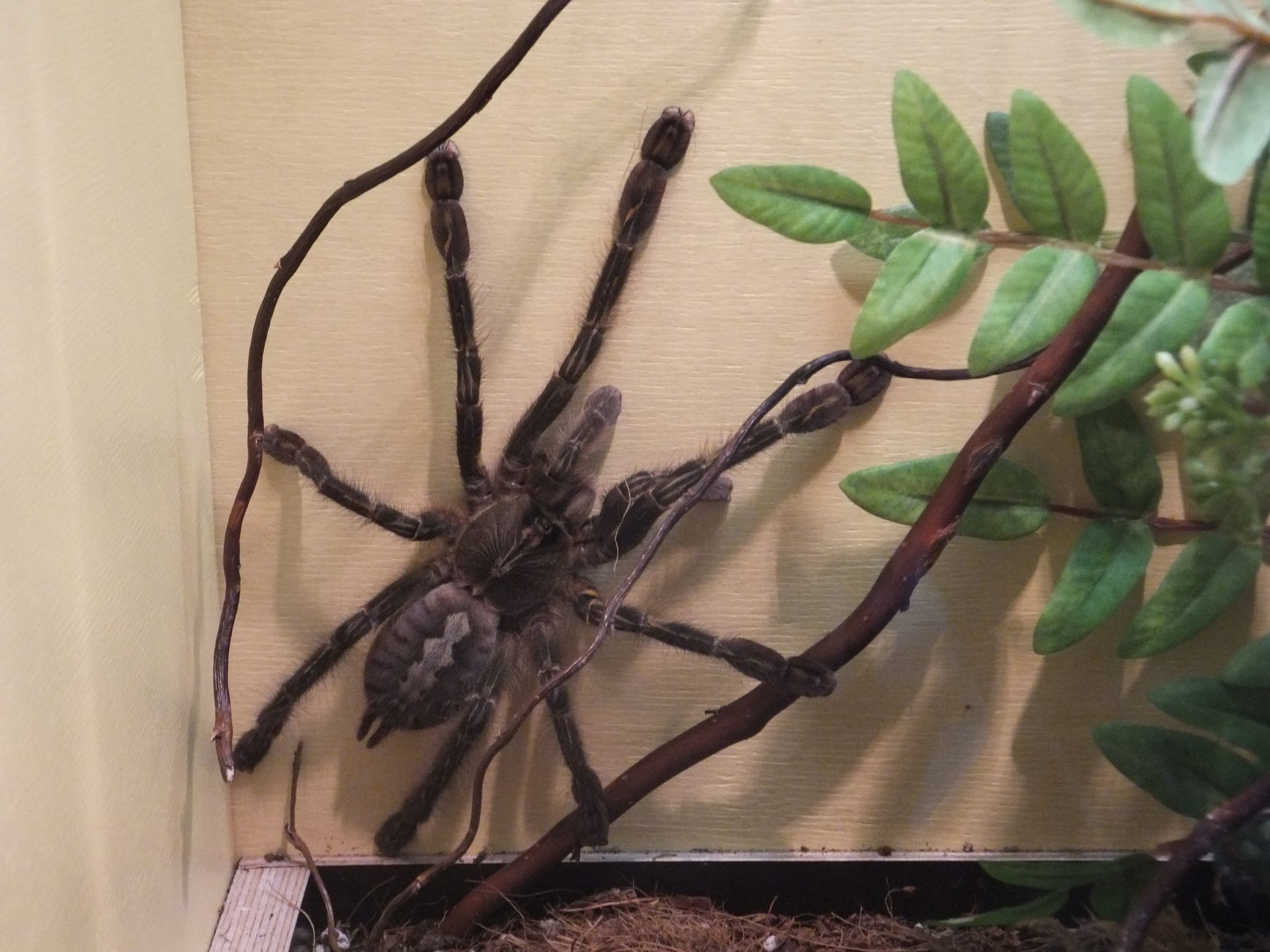
 © Syrio / CC BY-SA 4.0
Red Slate Ornamental
The Red Slate Ornamental is a tarantula endemic to the southern Western Ghats of India, and one of the largest arboreal species among the ornamental tarantulas. Its striking contrast of yellow-to-green legs against a reddish body makes it a visually stunning species to keep. Fast-moving and alert by nature, it requires confident handling-free husbandry, making it best suited to experienced keepers rather than beginners. Habitat loss in its native range has placed the species at risk in the wild, so responsible captive care carries added conservation significance. Watching its agile, arboreal behavior in a vertically set up enclosure is one of the true rewards of keeping this species.
View Red Slate Ornamental encyclopedia →Breeder Wanted!
List on BreederDirect and sell directly to customers nationwide!
BreederDirect's 5 Transparency Commitments
When listing Exotic Invertebrates, Breeders disclose the following. We guarantee transparency on growth stage and breeding unit.
- Real Photos
- Breeding Unit
- Generation Info
- Body Length (mm)
- Country of Origin
Browse all 286 breeds
No listings match your filters
Adjust your filters, or get notified when new listings arrive.
Getting alerts is free with a member account. When new listings match your saved search, we'll notify you by email and in-app.
Browse other categories
Verified breeders (preview)
Are you raising exotic invertebrates?
Register as a breeder and connect with buyers directly.
Apply as a breederRed Slate Ornamental key facts
- Care level
- Advanced
- Lifespan
- Females 14-17 years / males 4-5 years
- Size
- Body length: females about 8cm, males up to 3.5cm
- Temperature
- 24〜26℃
- Humidity
- 65〜75%
- Diet
- Live insects such as crickets and roaches
- Temperature & Humidity
- Aim for 24-26 C and 65-75% humidity. It does not like wet conditions, so keep the substrate on the dry side and rely on a water dish with occasional misting.
- Enclosure
- A large arboreal species that needs a tall enclosure. Stand thick cork bark vertically as a retreat and provide a water dish about 5 cm across.
- Diet & Feeding
- Live insects such as crickets and roaches. It grows fast and, fed properly, reaches maturity in 18-24 months.
- Temperament & Venom
- Skittish, defensive and prone to bite. It has no urticating hairs and relies on venom alone. The venom is potent and specialists recommend the species only to experienced keepers; do not handle it.
- Notes
- Listed on CITES Appendix II, so international trade requires a permit. It is assessed as Endangered on the IUCN Red List and smuggled specimens have entered the trade.
About Red Slate Ornamental
A large arboreal tarantula endemic to India's Western Ghats, known for yellow-green legs and a reddish body. Best suited to experienced keepers.
7 things to know before welcoming a Red Slate Ornamental
1Vertical Enclosure for Arboreal Life
Unlike terrestrial species, this tarantula needs enclosure height more than floor space. Provide climbing materials like cork bark or driftwood, along with an elevated hide that mimics a tree hollow.
2Fast and Highly Alert Temperament
This species reacts quickly to disturbance and may bolt or display defensive postures. Plan enclosure access and escape-prevention measures in advance, and avoid direct handling as a general rule.
3Understanding Why It Suits Experienced Keepers
Its speed and skittish nature make it a challenging choice for a first tarantula. Prior experience with other arboreal species helps with day-to-day care and responding calmly if something seems off.
4Balancing Humidity and Ventilation
Arboreal species dislike overly humid conditions, but excessive dryness is also harmful. Choose a well-ventilated enclosure and maintain moderate humidity with a water dish and periodic misting.
5Give Extra Space Around Molting
Tarantulas are especially fragile before and after molting, when energy reserves are low. Withhold feeding and avoid vibration or disturbance during this period to support a healthy recovery.
6Prepare Equipment Before Bringing One Home
Before your spider arrives, prepare climbing branches, a hide, a water dish, a thermo-hygrometer, and a securely locking enclosure to prevent escapes. Having the setup ready lets it settle in calmly from day one.
7Plan for Long-Term Care
Tarantulas as a group can live for a long time, and females of many species tend to be especially long-lived. Before bringing one home, think ahead about maintaining its care setup over the long term.
Frequently asked questions about Red Slate Ornamental
- Q.Can beginners keep this species?
- A.The Red Slate Ornamental is considered suitable for experienced keepers. Its fast movements and skittish temperament mean it's best to gain some tarantula-keeping experience before taking one on.
- Q.Do males and females differ in size?
- A.Yes — females grow to around 8 cm in body length, while males stay smaller, reaching a maximum of about 3.5 cm. The size difference becomes clear once they reach adulthood.
- Q.Is it safe to handle by hand?
- A.Because of its fast, alert temperament, direct handling is not recommended. Enclosure maintenance should be done with tools, moving calmly to avoid startling it.
- Q.Is this species subject to any regulations?
- A.Red Slate Ornamental is listed in CITES Appendix II. International trade requires a permit from the exporting country, but as far as CITES is concerned, no registration is needed to buy or sell individuals already legally in Japan.
- Q.What should I pay special attention to in its setup?
- A.As an arboreal species, it needs a tall enclosure with climbing branches. Since habitat loss has placed it at risk in the wild, maintaining a healthy, stable captive environment is especially important.
Learn more about Red Slate Ornamental in the encyclopedia
View Red Slate Ornamental encyclopedia entry →
Care difficulty, lifespan, size and diet — all basics covered.
More in this category
Can't find the one you're looking for?
Post your wishes for free and breeders with matching animals will contact you with introductions.