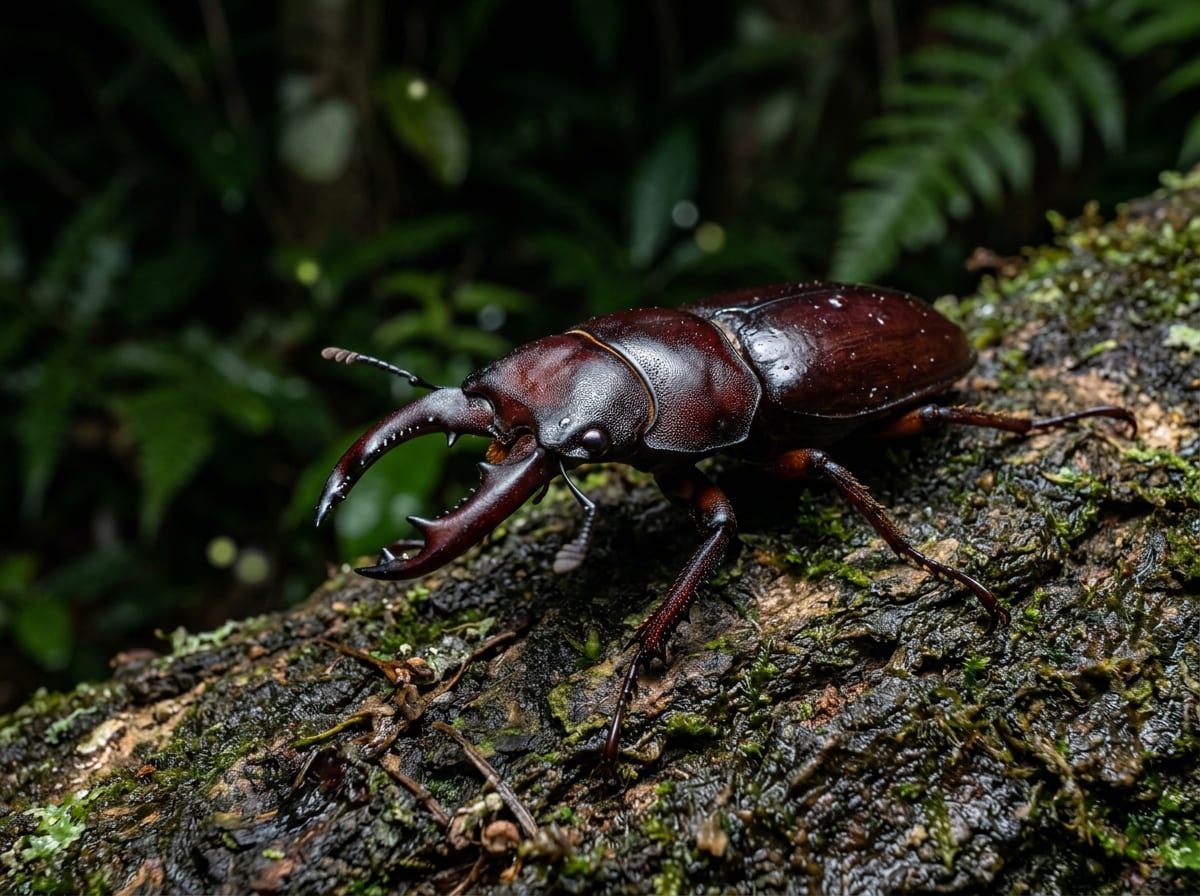
Yaeyama lesser stag beetle
The Yaeyama lesser stag beetle is a subspecies of the Amami stag beetle native to Iriomote Island. It has dark reddish-brown coloring, and despite its name, the Amami stag beetle is not closely related to the common lesser stag beetle — it shares more traits with Dorcus montivagus. Its mandibles are short and strongly curved, and its long legs suit a life in the trees. It was once regarded as one of the hardest-to-find stag beetles native to Japan. Mitochondrial DNA research suggests it represents the earliest lineage to diverge among Amami stag beetle subspecies, reflecting a long evolutionary history. Successful long-term keeping and breeding call for specialized knowledge of temperature and humidity control and egg-laying conditions, making this a species best suited to experienced keepers.
View Yaeyama lesser stag beetle encyclopedia →Breeder Wanted!
List on BreederDirect and sell directly to customers nationwide!
BreederDirect's 6 Transparency Commitments
When listing Insects, Breeders disclose the following. We guarantee transparency on growth stage and breeding unit.
- Life Stage Clarity
- Generation Info
- Real Photos
- Breeding Unit
- Country of Origin
- Body Length (mm)
Browse all 336 breeds
No listings match your filters
Adjust your filters, or get notified when new listings arrive.
Getting alerts is free with a member account. When new listings match your saved search, we'll notify you by email and in-app.
Browse other categories
Verified breeders (preview)
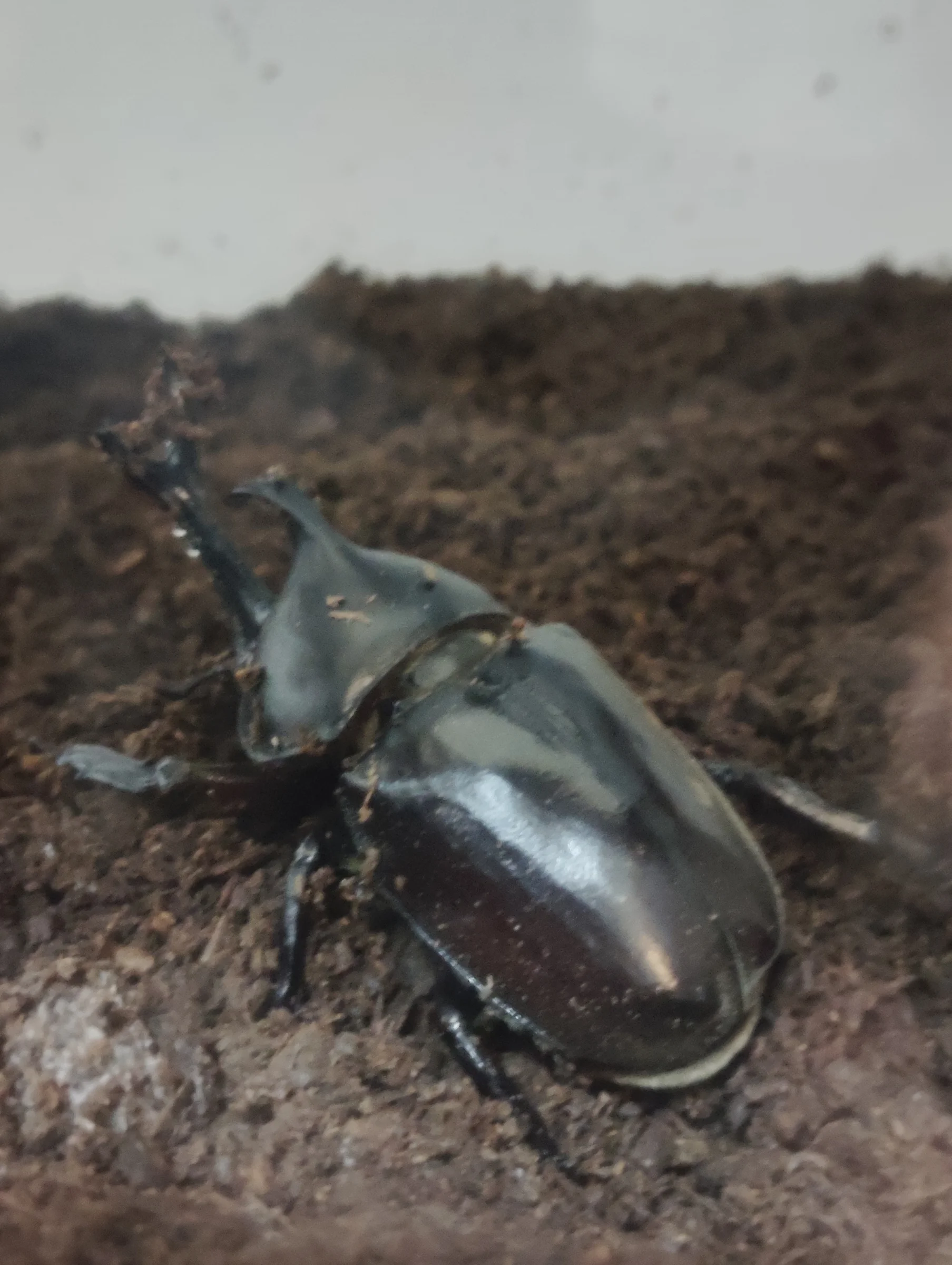
Yaeyama lesser stag beetle key facts
- Care level
- Advanced
- Lifespan
- Adults 6 months to 2 years (species as a whole); larval stage about 1 year
- Size
- Captive records 43.4mm (male) and 35.4mm (female); wild record 38.0mm (male)
- Diet
- Adults take hardwood sap or beetle jelly; larvae eat moist, soft rotten wood
- Temperature & Humidity
- There is little numeric temperature data. As a subtropical island form, avoid winter cold and keep laying wood and substrate slightly moist.
- Breeding & Egg-laying
- D. amamianus females lay in rotting hardwood, often along streams; larvae hatch after about a month and feed on fairly moist, soft rotten wood. Provide a soft hardwood laying log.
- Lifespan & Rearing Period
- The larval stage lasts about a year; larvae build pupal cells in autumn or the next spring, pupate after about a month and eclose about a month later. Autumn-eclosed adults overwinter and become active in spring. Adults of the species live six months to two years.
- Cohabitation
- Keep adults singly and together only for mating.
- Health & Notes
- Locality (Iriomote) is the main key to this subspecies, so buy labelled stock and never cross it with other subspecies such as nomurai. Never release captives.
About Yaeyama lesser stag beetle
The Yaeyama lesser stag beetle, a subspecies of the Amami stag beetle from Iriomote Island, has dark reddish-brown coloring and was once called Japan's rarest stag beetle — a species that calls for specialized keeping knowledge.
7 things to know before welcoming a Yaeyama lesser stag beetle
1A subspecies unique to Iriomote
The Yaeyama lesser stag beetle is a subspecies of the Amami stag beetle found on Iriomote Island. Mitochondrial DNA research indicates it is the earliest lineage to have diverged among Amami stag beetle subspecies.
2Dark reddish-brown with a tree-dwelling build
Its body is a dark reddish-brown. Despite the "lesser stag beetle" name, it isn't closely related to that species: its mandibles are short and strongly curved, and its long legs are suited to life in the trees.
3Advanced-level care difficulty
Breeding this beetle across generations requires specialized knowledge of temperature and humidity control and egg-laying conditions, so it is considered suited to experienced keepers. First-time keepers should research care requirements thoroughly beforehand.
4Larval stage and adult lifespan
The larval stage lasts about one year before pupating into an adult. Among Amami stag beetles generally, adults live roughly six months to two years, allowing for extended observation.
5Avoid winter cold and keep things slightly moist
This subspecies comes from a subtropical island, and numerical temperature data is scarce. Avoid cold winter temperatures and keep the enclosure out of direct sunlight. Keeping the egg-laying wood and substrate slightly moist is the basic approach.
6Keep adults separately
Keep adults individually and house them together only for pairing. When handling, watch for dropping or pinching and proceed gently, observing the beetle's reaction.
7Prepare the habitat first
Before bringing one home, set up the enclosure, substrate, and climbing branches in advance. Regularly check the substrate for mold or dryness once the beetle is settled in.
Frequently asked questions about Yaeyama lesser stag beetle
- Q.Can beginners keep a Yaeyama lesser stag beetle?
- A.It is considered a species suited to experienced keepers, requiring knowledge of temperature and humidity control as well as breeding know-how. It's best to gain experience with other stag beetles first before taking this one on.
- Q.How large does it grow?
- A.Under captive care, records show males reaching around 43.4mm and females around 35.4mm. In the wild, a male record of 38.0mm has been reported.
- Q.What is its lifespan?
- A.Among Amami stag beetles generally, adults live for roughly six months to two years. The larval stage lasts about one year.
- Q.How does it differ in appearance from other lesser stag beetles?
- A.Despite the name, the Amami stag beetle isn't closely related to the common lesser stag beetle: its mandibles are short and strongly curved and its long legs suit a tree-dwelling life. This subspecies is also distinguished by its dark reddish-brown coloring. The locality (Iriomote Island) is the main way to tell it apart from other subspecies, so choose beetles with a clearly stated origin.
- Q.Can males and females be kept in the same enclosure?
- A.Unless breeding is the goal, it's generally recommended to house them separately. Keeping them together can lead to fighting, so caution is needed.
Useful tools for Yaeyama lesser stag beetle care
Learn more about Yaeyama lesser stag beetle in the encyclopedia
View Yaeyama lesser stag beetle encyclopedia entry →
Care difficulty, lifespan, size and diet — all basics covered.
More in this category
Can't find the one you're looking for?
Post your wishes for free and breeders with matching animals will contact you with introductions.