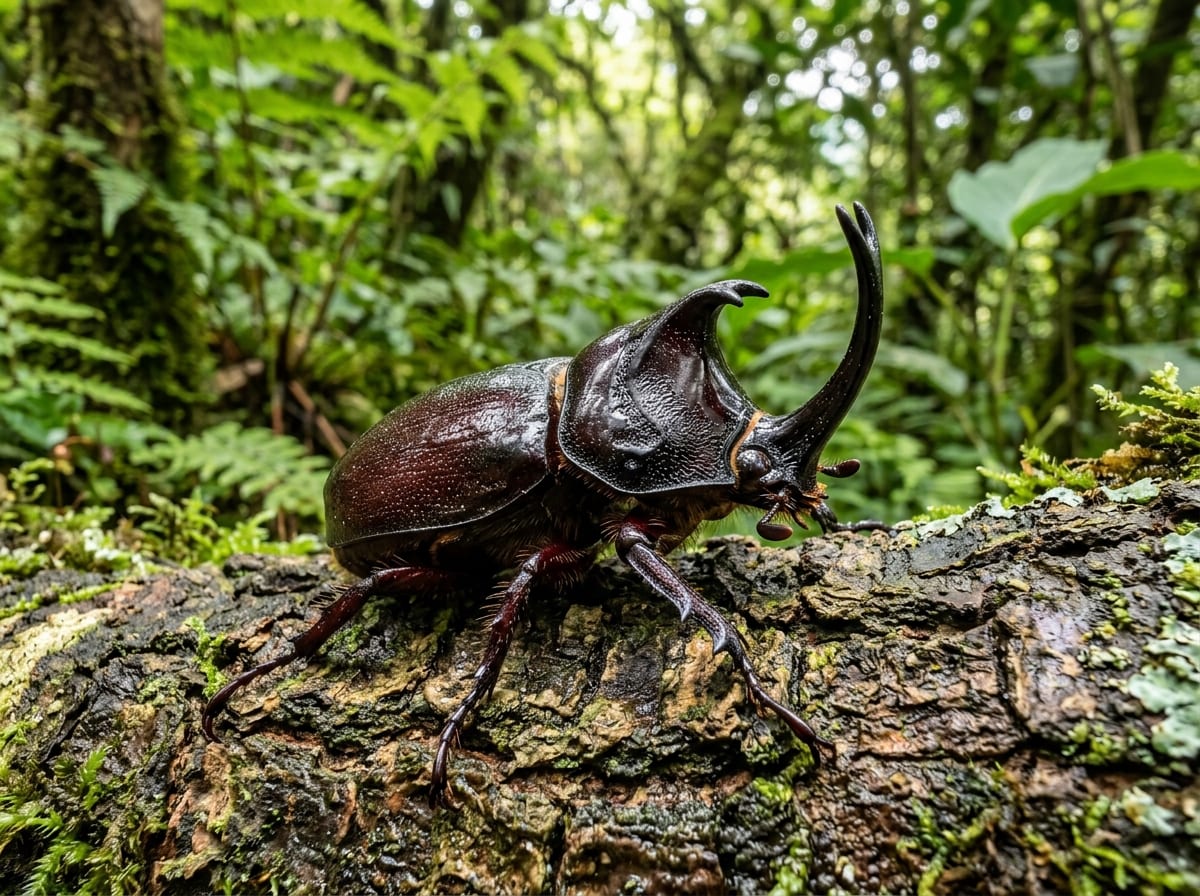
David's rhinoceros beetle
The David's rhinoceros beetle is a small beetle in the genus Xyloscaptes, closely related to Japan's familiar rhinoceros beetle. Described under the scientific name Xylotrupes davidis, it is known mainly from specimens collected in the Tam Dao mountains of northern Vietnam, though little else has been documented about its range. Its resemblance to Japan's native rhinoceros beetle gives it an approachable look, but because so little care information exists, keeping it is generally considered a project for intermediate keepers rather than absolute beginners.
View David's rhinoceros beetle encyclopedia →0% commission on your first sales!Register by September 30, 2026 and your first 2 sales are commission-free!
Breeder Wanted!
List on BreederDirect and sell directly to customers nationwide!
6 Transparency Standards You Can Trust
When listing Insects, Breeders disclose the following. We guarantee transparency on growth stage and breeding unit.
- Life Stage Clarity
- Generation Info
- Real Photos
- Breeding Unit
- Country of Origin
- Body Length (mm)
Browse all 336 breeds
No listings match your filters
Adjust your filters, or get notified when new listings arrive.
Getting alerts is free with a member account. When new listings match your saved search, we'll notify you by email and in-app.
Browse other categories
Verified breeders (preview)
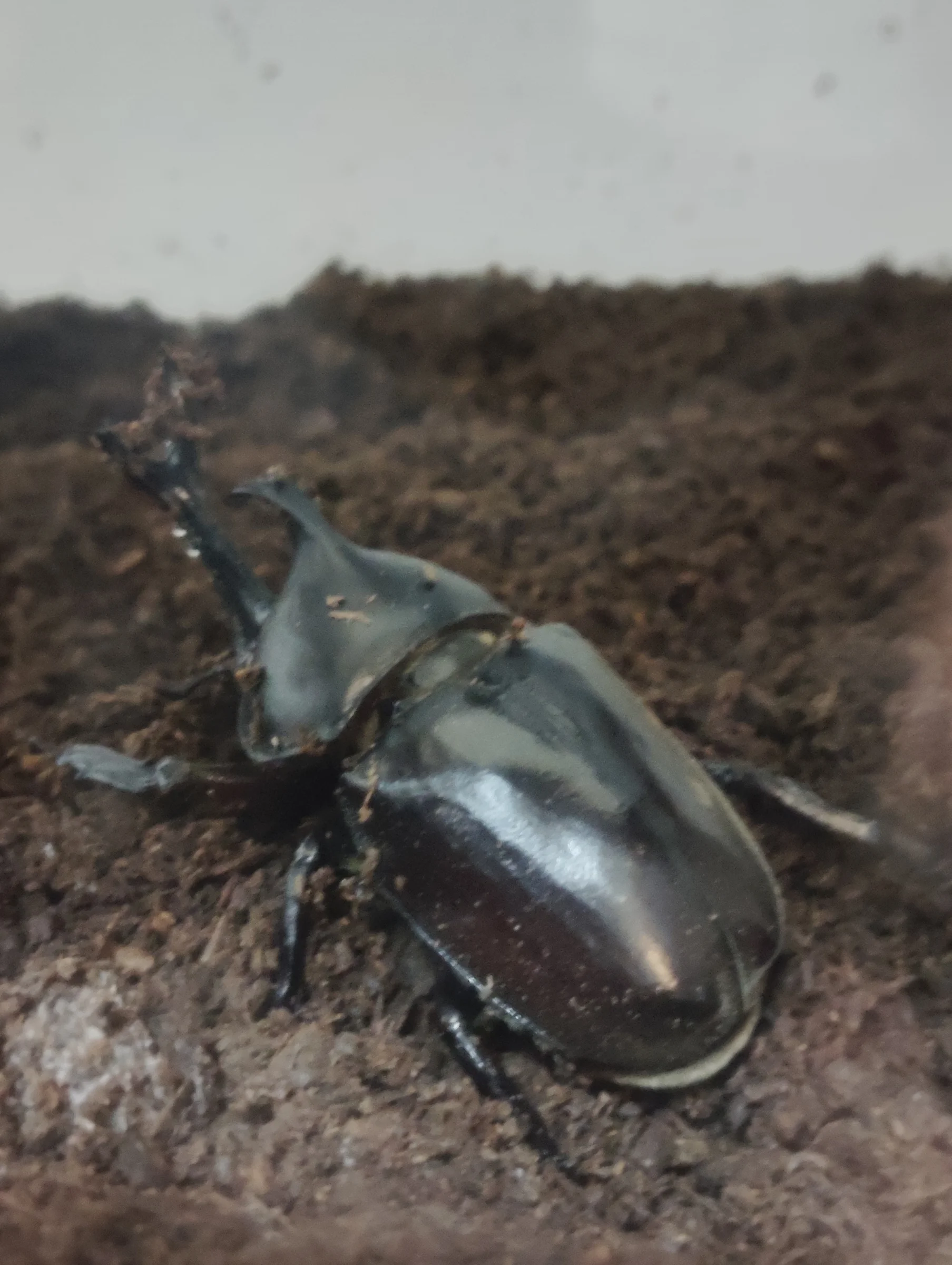
David's rhinoceros beetle key facts
- Care level
- Intermediate
- Lifespan
- Little data
- Size
- Little data
- Diet
- Adults take beetle jelly; larvae eat leaf mould or fermented substrate
- Temperature & Humidity
- There is little numeric temperature data. Avoid extremes of heat and cold and keep the substrate from drying out.
- Breeding & Egg-laying
- Little is published on breeding this species. The related Japanese rhinoceros beetle lays by burrowing into leaf mould or compost, so provide a deep layer of leaf mould or fermented substrate.
- Cohabitation
- Keep adults singly and together only for mating.
- Lifespan & Rearing Period
- Larval duration and adult lifespan are poorly documented.
- Health & Notes
- Being close to the Japanese rhinoceros beetle, never keep it together with native stock. Importing foreign stag and rhinoceros beetles is regulated by the Plant Protection Act and the Invasive Alien Species Act (species-name certificate), with each species needing clearance from the Plant Protection Station, so domestically bred stock is the safe choice. Never release captive beetles.
About David's rhinoceros beetle
David's rhinoceros beetle (Xyloscaptes davidis, originally described as Xylotrupes davidis) is a close relative of Japan's rhinoceros beetle, known mainly from Mount Tam Dao in northern Vietnam, and best suited to intermediate keepers.
7 things to know before welcoming a David's rhinoceros beetle
1Little Is Known About Its Biology
Museum records for the David's rhinoceros beetle are largely limited to specimens from Vietnam's Tam Dao mountains, so information on its range and natural history remains scarce. Because captive-care knowledge is still developing, keepers often adapt techniques from other rhinoceros beetle species and learn as they go.
2Best Suited to Intermediate Keepers
This species is generally rated as suitable for intermediate keepers rather than complete beginners. Prior experience with Japanese or other rhinoceros beetles makes it much easier to set up the enclosure and manage day-to-day care.
3Lifespan and Size Aren't Well Documented
There isn't enough published data yet to state a definite lifespan or adult size for this species. It's best to approach care expecting some individual variation, with a clearer picture likely to emerge as more keeping experience accumulates.
4A Close Relative of Japan's Kabutomushi
The David's rhinoceros beetle belongs to the genus Xyloscaptes, placing it close to Japan's familiar rhinoceros beetle. The resemblance in appearance and body structure makes it an approachable choice for anyone who has kept the native Japanese species.
5Setting Up a Basic Enclosure
With limited species-specific guidance available, most keepers base the setup on general rhinoceros beetle husbandry — a well-ventilated enclosure with moisture-retentive insect substrate — then adjust based on how the individual beetle responds.
6Managing Temperature and Humidity
Precise ideal ranges haven't been established due to limited data, but as with other rhinoceros beetles, avoiding sudden temperature swings and extremes of dryness or wetness, along with regular observation, helps keep them healthy.
7Gather Information Before You Bring One Home
Because so little is documented about this species, it's worth asking the breeder directly about the beetle's current condition and how it's been kept before bringing one home. Confirming these details one by one will make ongoing care easier.
Frequently asked questions about David's rhinoceros beetle
- Q.Can beginners keep this species?
- A.It's generally considered suited to intermediate keepers rather than complete beginners. Having some prior experience with beetle keeping, such as with the Japanese rhinoceros beetle, makes setting up the environment and daily care easier.
- Q.How long do they live?
- A.There isn't enough published data yet to give a definite lifespan for this species. Keepers currently draw on experience with related rhinoceros beetles and observe each individual as they go.
- Q.How big do adults get?
- A.Adult size hasn't been well documented for this species either, so no definite figures are available yet. More detail should emerge as more keepers share their experience over time.
- Q.Is this species covered by CITES?
- A.The David's rhinoceros beetle is not covered by CITES. Many live foreign Scarabaeoidea (stag beetles, rhinoceros beetles, flower chafers and relatives) are quarantine pests whose import is banned under Japan's Plant Protection Act, and even importable species require a species-name certificate from a foreign government body under the Invasive Alien Species Act (entry only via designated airports, never by international post). Whether a species may enter must be checked with the Plant Protection Station in advance, so choose domestically bred stock and never release captive beetles.
- Q.How is it different from Japan's rhinoceros beetle?
- A.David's rhinoceros beetle is a close relative in the genus Xyloscaptes, with the scientific name Xyloscaptes davidis (originally described as Xylotrupes davidis). It sits in the same subtribe as Japan's rhinoceros beetle, but the only records come from Mount Tam Dao in northern Vietnam, and little has been documented about its range or habits. Because the two are so closely related, don't keep it together with Japanese rhinoceros beetles.
Useful tools for David's rhinoceros beetle care
Learn more about David's rhinoceros beetle in the encyclopedia
View David's rhinoceros beetle encyclopedia entry →
Care difficulty, lifespan, size and diet — all basics covered.
More in this category
Can't find the one you're looking for?
Post your wishes for free and breeders with matching animals will contact you with introductions.