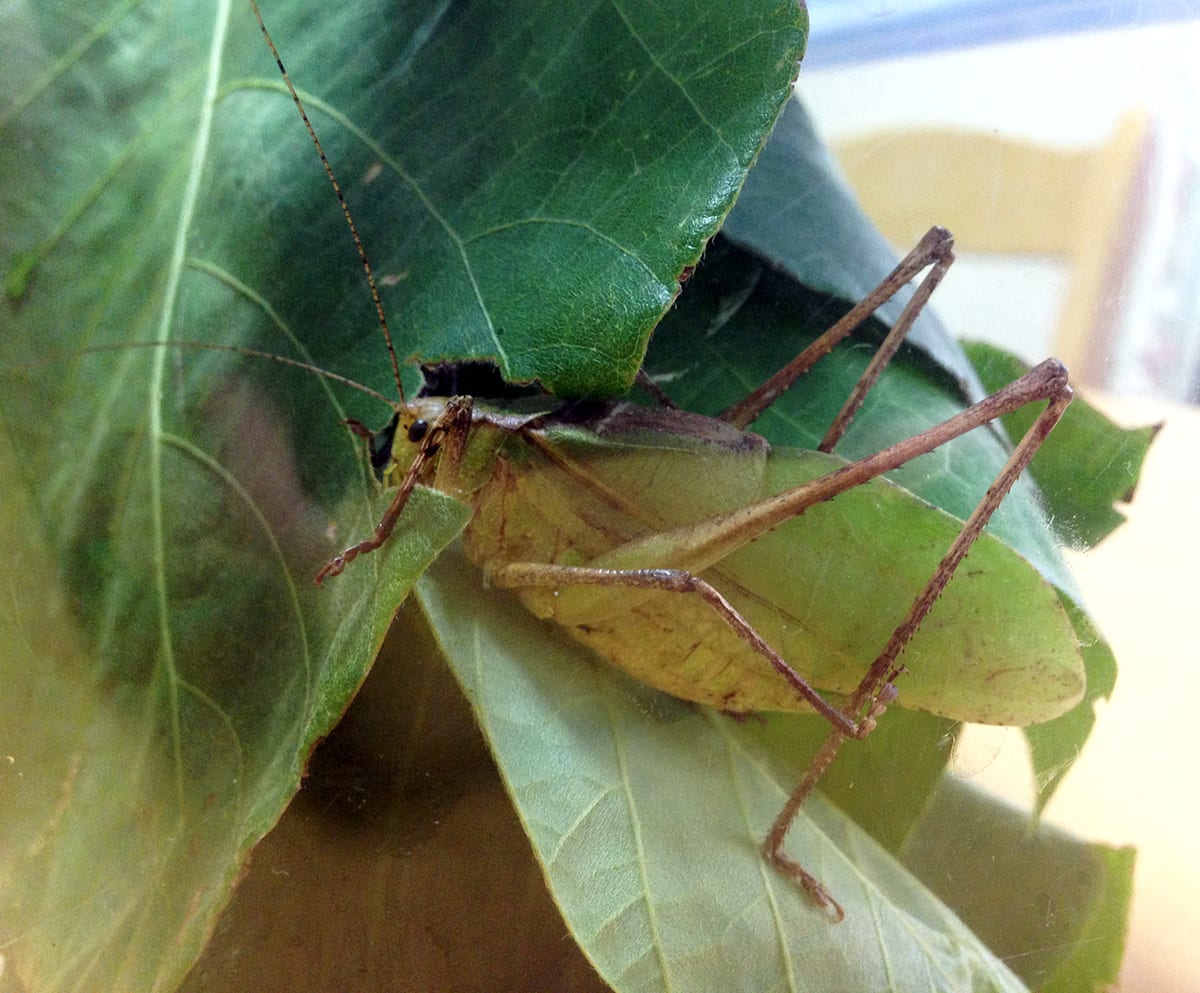
 © Kazuma.K / CC BY-SA 4.0
Kutsuwamushi
The Kutsuwamushi is a large relative of the katydid family, known for its tall, stocky build and for coming in two color forms — a vivid green and a subdued brown. Its signature trait is the loud, rhythmic gacha-gacha call it produces after dark, one of the most distinctive night sounds of the Japanese autumn. Unlike many of its more carnivorous relatives, this species feeds almost exclusively on kudzu leaves in the wild. It doesn't eat its own kind, but it is territorial and may suddenly start fighting in a cramped container, so keep only a few per enclosure. With a bit of basic care, keepers can enjoy its powerful nighttime song as a seasonal highlight of autumn.
View Kutsuwamushi encyclopedia →0% commission on your first sales!Register by September 30, 2026 and your first 2 sales are commission-free!
Breeder Wanted!
List on BreederDirect and sell directly to customers nationwide!
BreederDirect's 6 Transparency Commitments
When listing Insects, Breeders disclose the following. We guarantee transparency on growth stage and breeding unit.
- Life Stage Clarity
- Generation Info
- Real Photos
- Breeding Unit
- Country of Origin
- Body Length (mm)
Browse all 336 breeds
No listings match your filters
Adjust your filters, or get notified when new listings arrive.
Getting alerts is free with a member account. When new listings match your saved search, we'll notify you by email and in-app.
Browse other categories
Verified breeders (preview)
Kutsuwamushi key facts
- Care level
- Intermediate
- Lifespan
- Adults from late July to October (captives have lived until February)
- Size
- Up to about 70mm
- Diet
- Herbivorous (mainly kudzu and other legume leaves)
- Enclosure
- It is vulnerable to spoiled food, dirty water and stale air. Use a well-ventilated enclosure and change food and water often.
- Food & Feeding
- In the wild it eats almost only kudzu and thrives on it. Captives also take vegetables and dry foods, but artificial diets have been linked to faster ageing and deformities, so base the diet on fresh kudzu leaves.
- Breeding & Egg-laying
- Females lay in soil with a sword-shaped ovipositor, and nymphs hatch the next year from late April to early June. Development takes around three months, and moult failures become common near the final instar because of the heavy body and long legs, so provide height and perches for moulting.
- Lifespan & Rearing Period
- Adults appear from late July and are heard in the wild until the end of October. With good food, housing and warmth, captives may live into February.
- Cohabitation
- It does not cannibalise but is territorial and will suddenly grapple in cramped containers, so keep few per enclosure.
- Health & Notes
- It is declining with habitat loss and slow to return once lost. Never release captives away from where they were collected. The similar M. elongata has narrower wings upturned near the tip and a darkened pronotal edge.
About Kutsuwamushi
Kutsuwamushi is a large katydid relative known for its loud nighttime gacha-gacha call. It comes in green and brown forms, feeds mainly on kudzu leaves in the wild, and suits intermediate keepers.
7 things to know before welcoming a Kutsuwamushi
1Loud Nighttime Calls
Kutsuwamushi produce a very loud gacha-gacha call after dark. If you live in an apartment, think ahead about where to place the cage and whether windows should stay closed, since the sound carries.
2Diet Centers on Kudzu Leaves
In the wild, this species feeds almost exclusively on kudzu leaves. In captivity, you will need to plan ahead for a steady supply of fresh leaves, since sourcing and storing them takes some effort.
3Best Suited to Intermediate Keepers
Kutsuwamushi is generally considered a species for intermediate keepers. Prior experience managing leaf freshness, temperature, and humidity for insects will make day-to-day care much easier.
4Active From Summer to Fall
Adults are typically active from late July through October. Some individuals have been recorded living as late as the following February under care, but it is best to think of this as a seasonal companion rather than a year-round pet.
5A Large Species, Up to 70mm
Adults can reach up to about 70mm in body length. Provide a roomy enclosure and check for any gaps the insect could escape through.
6Green and Brown Color Forms
This species comes in both a green form and a brown form, and you cannot choose which color you will get. It helps to appreciate both forms in advance so you are happy with whichever individual arrives.
7Best Kept One Per Cage
Katydid relatives like this one are territorial, and housing several together in one cage can lead to fighting. Plan to keep them individually, with a separate enclosure for each insect.
Frequently asked questions about Kutsuwamushi
- Q.Is this species suitable for beginners?
- A.Kutsuwamushi is generally considered a species for intermediate keepers rather than complete beginners. Some experience with basic insect care makes it easier to manage feeding and temperature.
- Q.How long do they live?
- A.Adults are typically active from late July through around October. Under good care, some individuals have been recorded living as late as the following February.
- Q.What do they eat?
- A.In the wild, this species feeds almost exclusively on kudzu leaves, which is unusual among its more carnivorous relatives. In captivity, a steady supply of fresh leaves is the main dietary need.
- Q.How loud is their call?
- A.At night, Kutsuwamushi produce a very loud, rhythmic gacha-gacha call. If you live in an apartment, it is worth considering where you place the cage and how the sound might carry to neighbors.
- Q.Can I keep more than one together?
- A.Katydid relatives like this species are territorial, and keeping several together in one cage can lead to fighting. It is best to house them individually, one insect per enclosure.
Useful tools for Kutsuwamushi care
Learn more about Kutsuwamushi in the encyclopedia
View Kutsuwamushi encyclopedia entry →
Care difficulty, lifespan, size and diet — all basics covered.
More in this category
Can't find the one you're looking for?
Post your wishes for free and breeders with matching animals will contact you with introductions.