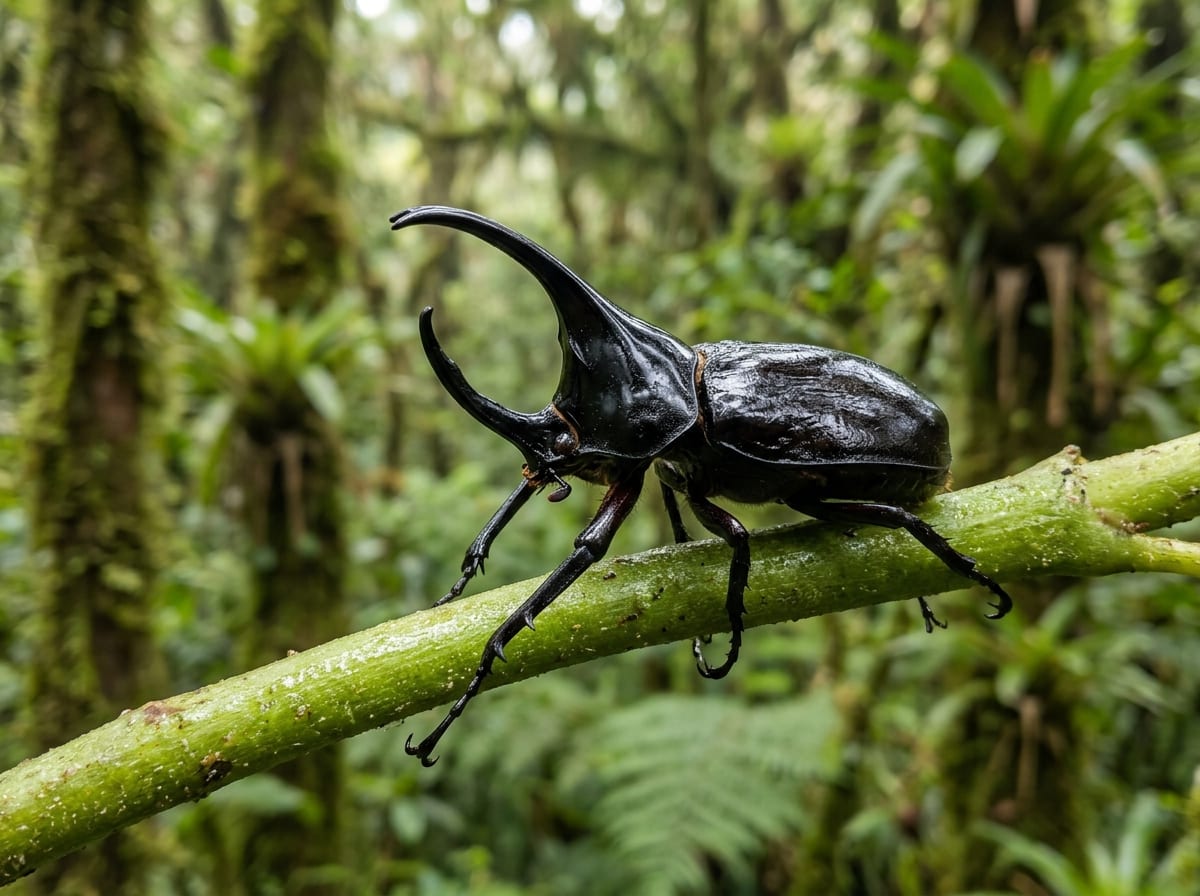
Tersander rhinoceros beetle
The Tersander rhinoceros beetle is a Golofa species recorded from southern Mexico through Central America. In Japan it's known as the "black" or "small" vertical-horn beetle, and it's also traded under the name "Tersander." It is described as an all-black species, and males carry one horn on the head and one on the thorax, giving them a bold, powerful look. Because it's sold under several names, confirming the scientific name when buying is the safest approach. It's a species best suited to intermediate keepers who enjoy getting to know an individual beetle closely.
View Tersander rhinoceros beetle encyclopedia →0% commission on your first sales!Register by September 30, 2026 and your first 2 sales are commission-free!
Breeder Wanted!
List on BreederDirect and sell directly to customers nationwide!
6 Transparency Standards You Can Trust
When listing Insects, Breeders disclose the following. We guarantee transparency on growth stage and breeding unit.
- Life Stage Clarity
- Generation Info
- Real Photos
- Breeding Unit
- Country of Origin
- Body Length (mm)
Browse all 336 breeds
No listings match your filters
Adjust your filters, or get notified when new listings arrive.
Getting alerts is free with a member account. When new listings match your saved search, we'll notify you by email and in-app.
Browse other categories
Verified breeders (preview)
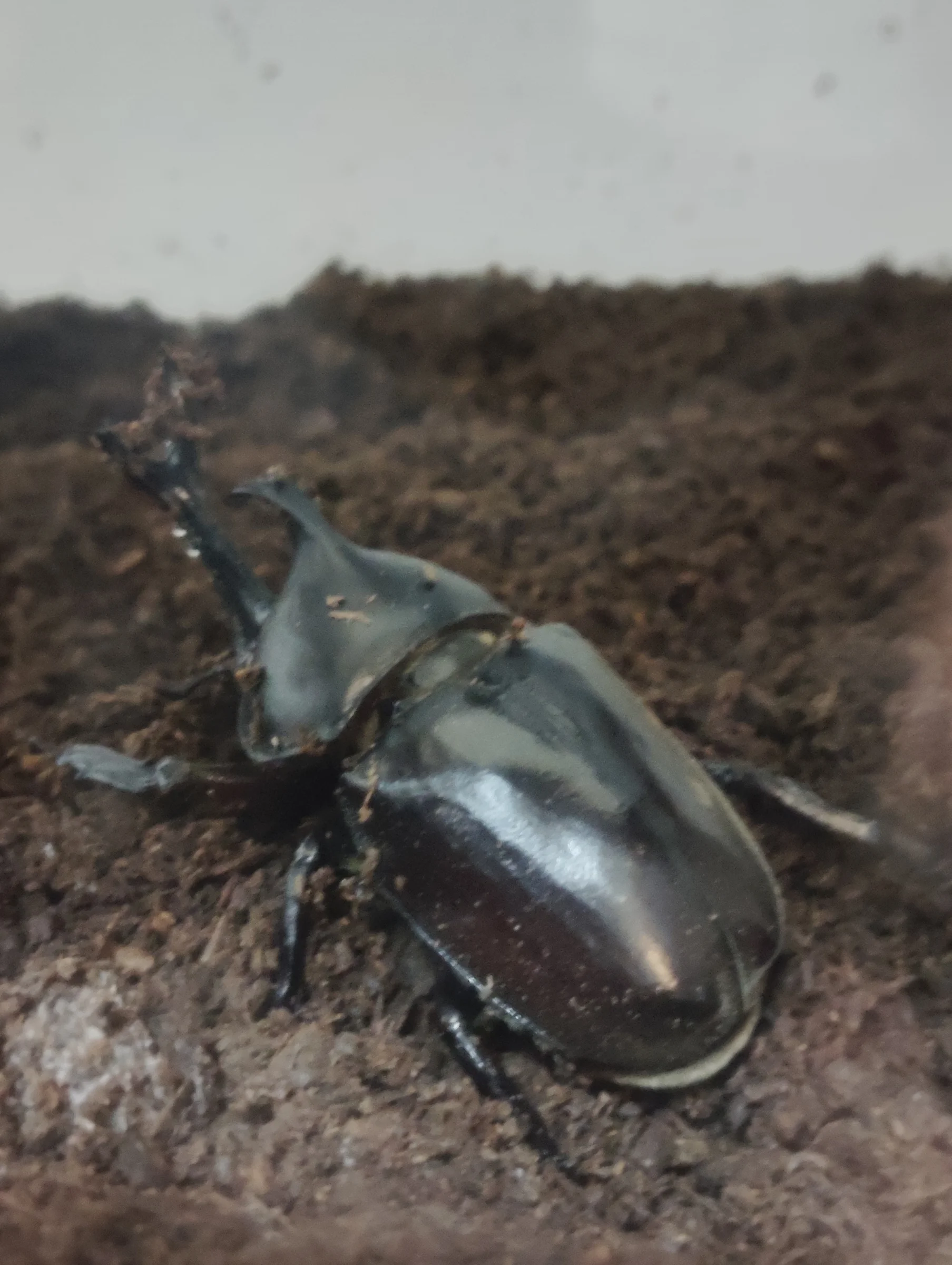
Tersander rhinoceros beetle key facts
- Care level
- Intermediate
- Lifespan
- Little data
- Size
- Little data
- Diet
- Adults take beetle jelly; larvae eat fermented substrate
- Temperature & Humidity
- There is little numeric temperature data. Avoid extremes of heat and cold and keep the substrate from drying out.
- Breeding & Egg-laying
- Little is published on breeding, but it has been bred in Japan; let females lay in fermented substrate and rear larvae in the same.
- Cohabitation
- Males fight with their long horns, so keep adults singly and together only for mating.
- Lifespan & Rearing Period
- Larval duration and adult lifespan are poorly documented.
- Health & Notes
- It is sold under several names, including tersander, kuro-tatezuno and chibi-tatezuno, so confirm the scientific name Golofa tersander. Importing foreign stag and rhinoceros beetles is regulated by the Plant Protection Act and the Invasive Alien Species Act (species-name certificate), with each species needing clearance from the Plant Protection Station, so domestically bred stock is the safe choice. Never release captive beetles.
About Tersander rhinoceros beetle
A guide to the Tersander rhinoceros beetle, a black rhinoceros beetle native to southern Mexico and Central America — covering its features, the male's horns, care difficulty, and what to know before bringing one home.
7 things to know before welcoming a Tersander rhinoceros beetle
1A Glossy Black Beetle
Native to a range stretching from southern Mexico through Central America, this beetle is known in Japan as the "black" or "small" rhinoceros beetle for its glossy black body. Males grow a single horn on both the head and the thorax, giving them a distinctive silhouette worth observing up close.
2Best Suited to Intermediate Keepers
Because this species isn't as widely kept as more common rhinoceros beetles, published care data is limited. It suits keepers who already have some insect-keeping experience and are comfortable adjusting care by observing the individual. First-time keepers may want to start with a more established species before taking this one on.
3Recreate a Warm, Humid Habitat
Given its origin in the warm climate spanning southern Mexico to Central America, avoid letting the enclosure get too cold or too dry. Check the substrate regularly and mist lightly to maintain gentle humidity. Steady temperatures, without sudden swings, help keep the beetle in good condition.
4Never House Males Together
Males can fight fiercely using the horns on their head and thorax, so never keep two males in the same enclosure. Injuries from these clashes can take a serious toll on a beetle's strength. As a general rule, house each beetle — male, female, or larva — separately.
5Expect Individual Variation
Reliable data on adult size and lifespan for this species is still limited, and individuals can vary quite a bit. Rather than relying on fixed reference numbers, watch your own beetle's appetite and activity level day to day. Noticing changes early is the best way to keep it thriving.
6Feeding Is Simple with Insect Jelly
Adults feed mainly on commercial insect jelly, which is easy to offer in a small dish. Change it regularly, since leftover or dried-out jelly can attract mold and odor. Larvae feed mainly on the substrate itself, so keeping the substrate in good condition matters just as much.
7Set Up the Enclosure Before Arrival
Before your beetle arrives, it helps to have the substrate, climbing material to prevent it from getting stuck on its back, a feeding dish, and a thermo-hygrometer ready. A calm, prepared environment lets it settle in and recover from transport stress more smoothly. Choose a spot away from direct sunlight and excessive heat or humidity for the enclosure.
Frequently asked questions about Tersander rhinoceros beetle
- Q.How long do Tersander rhinoceros beetles live?
- A.There isn't yet enough published data to give a firm lifespan estimate for this species. It's best to care for your beetle based on its day-to-day condition rather than a fixed number.
- Q.How big do adults get?
- A.Adult size for this species also isn't well documented, so we can't give a specific figure. Individual variation appears to be significant, so it helps to adjust the setup based on the beetle you actually bring home.
- Q.Can beginners keep this species?
- A.This beetle is generally considered suited to intermediate keepers. It's a better fit for someone with prior beetle-keeping experience; first-time keepers may want to start with a more common species.
- Q.Can males and females be housed together?
- A.Males fight fiercely with their horns, so two males should never share an enclosure. A male and female may be paired temporarily for breeding, but otherwise each beetle is generally kept separately.
- Q.Are there import restrictions on the Tersander rhinoceros beetle?
- A.The Tersander rhinoceros beetle is not listed under CITES. Many live foreign Scarabaeoidea (stag beetles, rhinoceros beetles, flower chafers and relatives) are quarantine pests whose import is banned under Japan's Plant Protection Act, and even importable species require a species-name certificate from a foreign government body under the Invasive Alien Species Act (entry only via designated airports, never by international post). Whether a species may enter must be checked with the Plant Protection Station in advance, so choose domestically bred stock and never release captive beetles.
Useful tools for Tersander rhinoceros beetle care
Learn more about Tersander rhinoceros beetle in the encyclopedia
View Tersander rhinoceros beetle encyclopedia entry →
Care difficulty, lifespan, size and diet — all basics covered.
More in this category
Can't find the one you're looking for?
Post your wishes for free and breeders with matching animals will contact you with introductions.