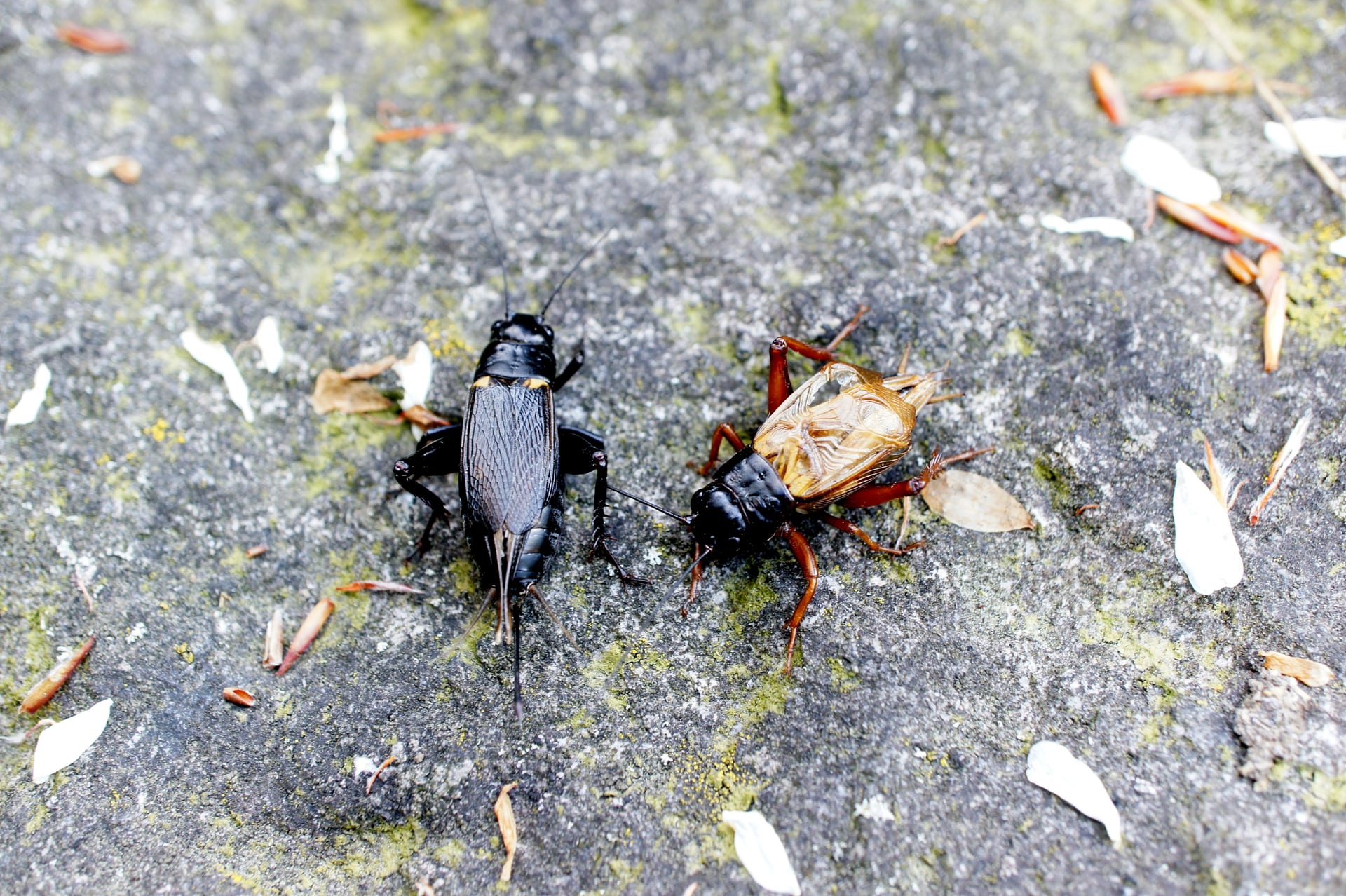
 © Schönitzer / CC BY-SA 3.0
Two-spotted cricket
The two-spotted cricket gets its name from the two pale markings at the base of its dark forewings. Because it doesn't go dormant, it can breed year-round as long as temperatures stay warm, making it one of the most commonly bred crickets for feeding reptiles and amphibians. Adults grow to about 3-4cm in body length, and the species is considered beginner-friendly, thriving well when kept in groups. Beyond its role as a feeder insect, its steady breeding cycle also makes it approachable for anyone curious about observing an insect's life cycle up close.
View Two-spotted cricket encyclopedia →Breeder Wanted!
List on BreederDirect and sell directly to customers nationwide!
BreederDirect's 6 Transparency Commitments
When listing Insects, Breeders disclose the following. We guarantee transparency on growth stage and breeding unit.
- Life Stage Clarity
- Generation Info
- Real Photos
- Breeding Unit
- Country of Origin
- Body Length (mm)
Browse all 336 breeds
No listings match your filters
Adjust your filters, or get notified when new listings arrive.
Getting alerts is free with a member account. When new listings match your saved search, we'll notify you by email and in-app.
Browse other categories
Verified breeders (preview)
Two-spotted cricket key facts
- Care level
- Beginner-friendly
- Lifespan
- Adult lifespan poorly documented (eggs hatch in about two weeks)
- Size
- 3-4cm long
- Diet
- Omnivorous (grains, dry foods, vegetables)
- Temperature & Humidity
- With no diapause it lays year-round above 30C; in the cold, breeding stops, so heat the colony in winter. Keep the enclosure dry apart from the water station and the laying medium.
- Enclosure
- Use a lidded tub with crumpled paper for extra surface, plus a food dish and water station. Colonies get crowded and moults and droppings breed mites and mould, so clean often and wear a mask to avoid inhaling dust.
- Food & Feeding
- Feed mainly dry food; excess moisture breeds mould, so give only as much vegetable or fruit as is eaten. Supply water on a soaked sponge.
- Breeding & Egg-laying
- Females lay in moist soil, sand or between damp paper towels. Remove the laying medium every few days and move the eggs to a separate tub; they hatch in about two weeks.
- Health & Notes
- In Japan it is wild only from Kagoshima southwards. Keep lids secure so none escape, and never dump surplus crickets, eggs or used bedding outdoors or release them.
About Two-spotted cricket
The two-spotted cricket is a beginner-friendly feeder insect known for the pale markings on its dark forewings. With no dormancy period, it breeds year-round, and adults reach about 3-4cm in length.
7 things to know before welcoming a Two-spotted cricket
1A Suitable Enclosure
A lidded case works well, and adding egg cartons or crumpled newspaper gives the crickets more footing and places to hide, which reduces stress from crowding. Keep the enclosure dry overall and only moisten the water source and the egg-laying substrate, as excess moisture leads to mold.
2Temperature Drives Breeding
Since this species doesn't go dormant, it can keep breeding year-round as long as the temperature stays warm enough. If it gets too cold, activity and breeding slow down, so it's worth planning ahead for seasonal temperature changes.
3Males Chirp to Court
Males chirp by rubbing their wings together to court females. If you keep a large group together, the chirping can become noticeable, so it's worth factoring in when choosing where to keep them.
4Feeding and Hydration
Insect-specific pellet food or vegetable scraps work as feed, and adding a hydration gel or water source helps prevent dehydration. Running out of food can trigger cannibalism, so keeping feed topped up regularly is important.
5From Egg to Hatchling
Females lay eggs in moistened substrate, and the eggs hatch in about two weeks. Because the species doesn't pause breeding seasonally, it's a good idea to plan extra housing space in advance for growing numbers.
6Escape-Proofing the Enclosure
Being small and capable of jumping, these crickets can easily escape through gaps in a lid or case. Nymphs in particular can slip through very small openings, so choose a container that closes securely.
7Using Them as Feeders
When using them as a feeder insect for reptiles or amphibians, choose crickets sized appropriately for the animal being fed. Feeding the crickets nutritious food right up until they're offered can help improve their own nutritional condition.
Frequently asked questions about Two-spotted cricket
- Q.Can beginners keep this species?
- A.Yes, the two-spotted cricket is considered a beginner-friendly species. As long as you can maintain proper temperature, it can be kept without specialized equipment.
- Q.What should I feed it?
- A.You can offer commercial insect feed or vegetable scraps, but avoid letting food run out since that can lead to cannibalism. It's also a good idea to provide a water source such as a hydration gel.
- Q.How big do they get?
- A.Adults reach about 3-4cm in body length, growing through several molts from nymph to adult.
- Q.How long does it take eggs to hatch?
- A.Eggs typically hatch in about two weeks. Since the species doesn't go dormant, breeding can continue year-round as long as temperatures are maintained.
- Q.Is this species subject to any legal restrictions?
- A.The two-spotted cricket is not subject to CITES. Not covered by CITES or the Invasive Alien Species Act. In Japan it occurs wild only from Kagoshima southwards, so prevent escapes and never release or dump feeder crickets or their eggs.
Useful tools for Two-spotted cricket care
Learn more about Two-spotted cricket in the encyclopedia
View Two-spotted cricket encyclopedia entry →
Care difficulty, lifespan, size and diet — all basics covered.
More in this category
Can't find the one you're looking for?
Post your wishes for free and breeders with matching animals will contact you with introductions.