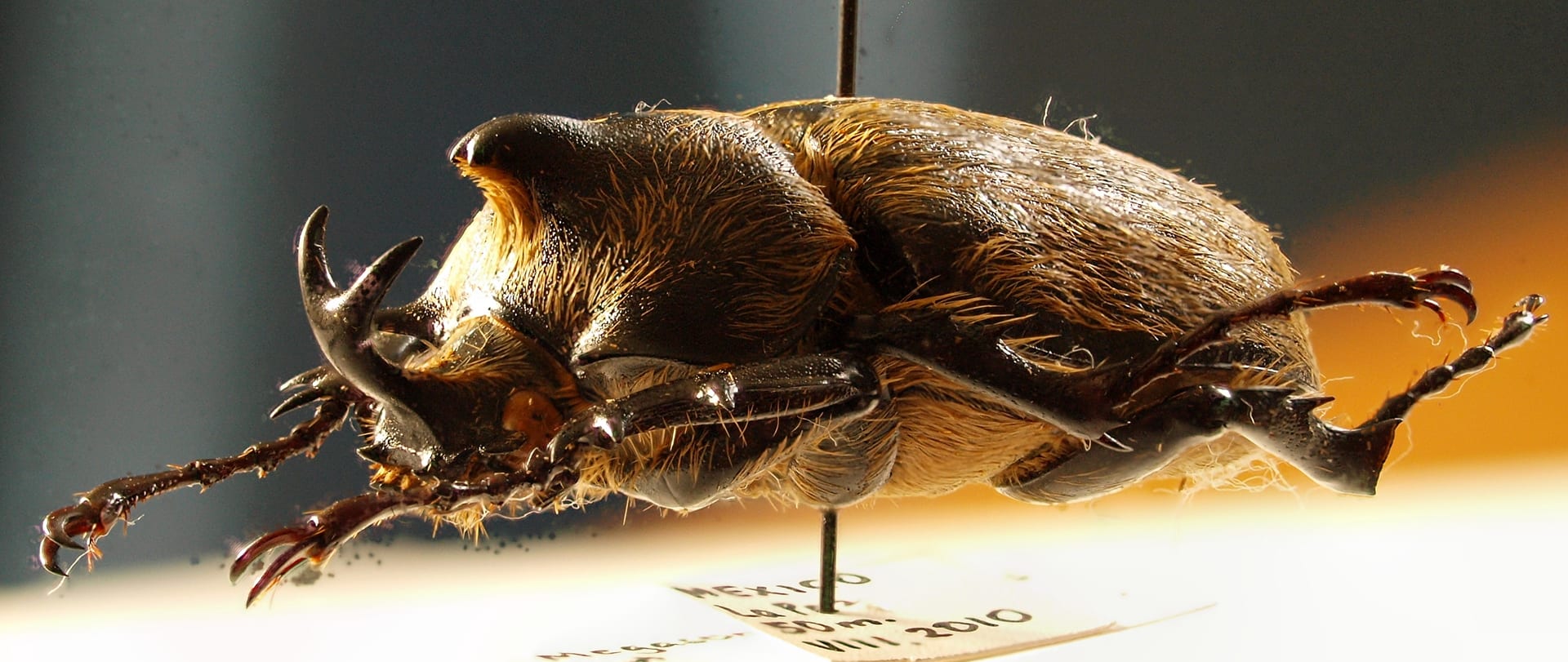
 © JohnSka / CC BY-SA 3.0
Thersites Elephant Beetle
The Thersites Elephant Beetle is a small species of elephant beetle found only in the southern part of Mexico's Baja California peninsula. Its elytra and pronotum are covered in dense hair, giving it a distinctive texture, and adults reach around 45mm — compact compared to other elephant beetles. It's nocturnal and known to gather around lights in the wild, where adults scrape the bark of palo verde branches to feed. With relatively few captive care records available, it's best approached by experienced keepers ready for a multi-year commitment, including a larval stage that is generally estimated at 2 to 3 years for the genus.
View Thersites Elephant Beetle encyclopedia →Breeder Wanted!
List on BreederDirect and sell directly to customers nationwide!
BreederDirect's 6 Transparency Commitments
When listing Insects, Breeders disclose the following. We guarantee transparency on growth stage and breeding unit.
- Life Stage Clarity
- Generation Info
- Real Photos
- Breeding Unit
- Country of Origin
- Body Length (mm)
Browse all 336 breeds
No listings match your filters
Adjust your filters, or get notified when new listings arrive.
Getting alerts is free with a member account. When new listings match your saved search, we'll notify you by email and in-app.
Browse other categories
Verified breeders (preview)
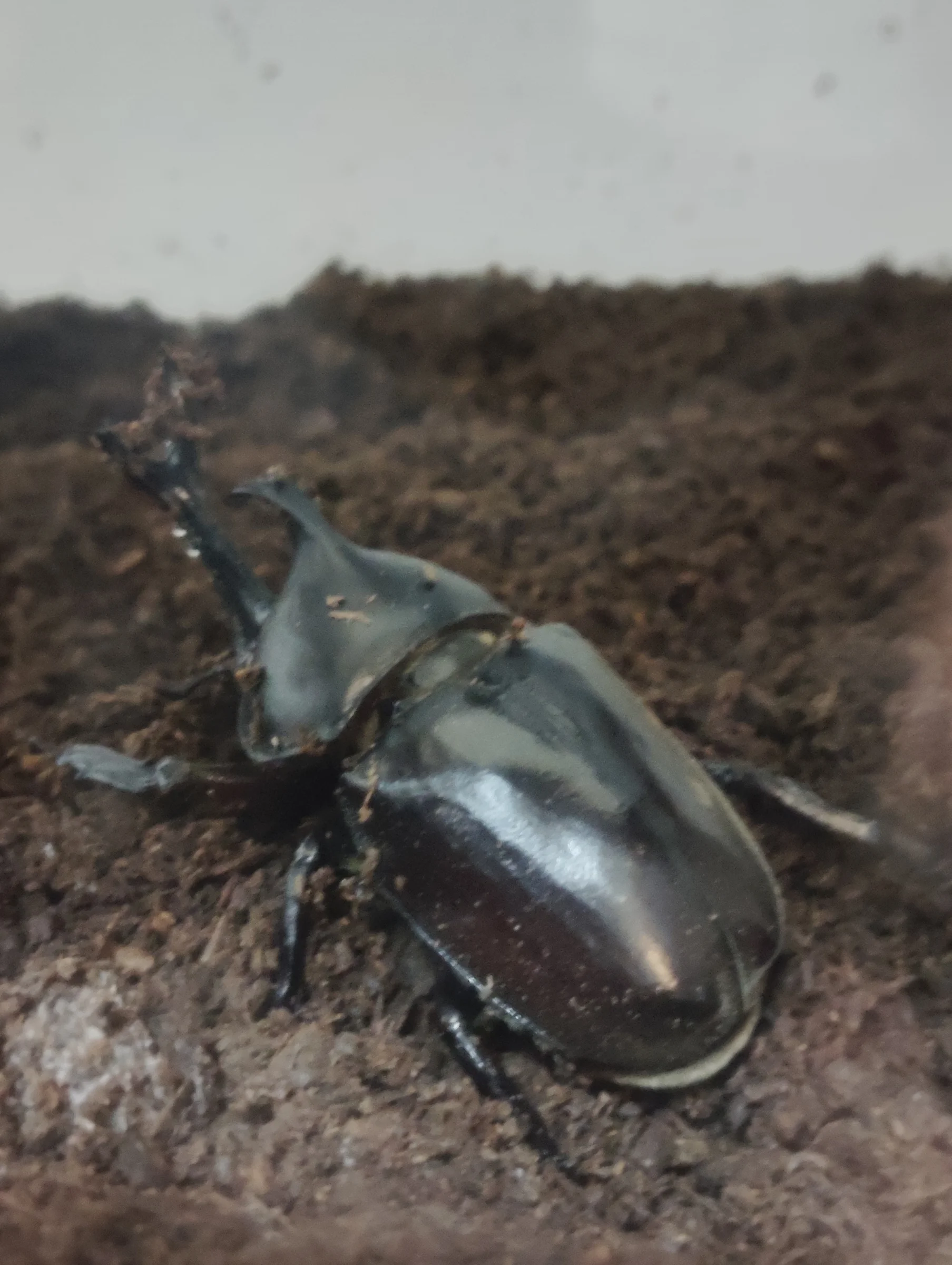
Thersites Elephant Beetle key facts
- Care level
- Advanced
- Lifespan
- Larval period 2-3 years (genus-level figure)
- Size
- About 45mm
- Temperature
- 18°C or above, below 30°C
- Diet
- Beetle jelly, ripe fruit; larvae on fermented substrate
- Temperature & Humidity
- General rule for foreign beetles: above 18C in winter, below 30C in summer. A dryland species; avoid waterlogging.
- Breeding & Egg-laying
- No established captive egg-laying protocol. Try fermented substrate and rear larvae individually.
- Cohabitation
- Males fight, so house singly. Cohabit only for pairing.
- Lifespan & Rearing Period
- No species-specific data; expect the genus-level larval period of 2-3 years.
- Health & Notes
- Rarely bred and poorly documented. Dense setae pick up debris, so keep the enclosure clean.
About Thersites Elephant Beetle
The Thersites Elephant Beetle is a small, hairy elephant beetle found only in southern Baja California. Nocturnal and drawn to light, it's a rare find in captivity best suited to experienced keepers.
7 things to know before welcoming a Thersites Elephant Beetle
1Long Larval Period
The larval stage typically lasts around 2 to 3 years for this genus. Be prepared for a long-term commitment rather than expecting quick results, and enjoy the process at a relaxed pace.
2Nocturnal, Drawn to Light
In the wild, this beetle is active at night and known to gather around lights. In captivity, maintaining a clear day-night rhythm and a calm, dim space during the day helps it settle in.
3Best Suited to Experienced Keepers
Captive care records for this species are still limited in Japan, so established husbandry knowledge is scarce. It's best suited to keepers who already have experience with elephant beetles.
4Distinctly Hairy Body
In both sexes the elytra and pronotum are covered in dense hair, giving it a distinctive texture unlike smoother beetle species. Dirt tends to cling to this hair, so keep the enclosure clean.
5Adults Feed on Palo Verde Bark
In the wild, adults scrape the bark of palo verde branches and feed on the cambium. There is no established egg-laying procedure in captivity; try a fermented substrate for egg-laying and keep larvae individually.
6Compact Adult Size
Adults reach around 45mm in length, making this one of the more compact members of the elephant beetle group. That smaller footprint can suit keepers with limited enclosure space.
7Prepare the Setup in Advance
Because the larval period runs long, it helps to have a stable, temperature- and humidity-controlled space ready before your beetle arrives. Aim for a dry-leaning setup reminiscent of southern Baja California, and avoid excess moisture.
Frequently asked questions about Thersites Elephant Beetle
- Q.Can beginners keep this species?
- A.This species is considered suited to experienced keepers, and captive records in Japan are still limited. It's best for those who already have experience with elephant beetles.
- Q.How long does it live?
- A.The larval period is typically around 2 to 3 years, based on general figures for the genus. Adult lifespan can vary between individuals.
- Q.How big does it get?
- A.Adults reach around 45mm in length. That's relatively compact compared to other elephant beetles.
- Q.Is it covered by CITES?
- A.The Thersites Elephant Beetle is not covered by CITES.
- Q.Is it nocturnal? What does it do during the day?
- A.Yes, it's nocturnal, and in the wild it's known to gather around lights at night. During the day it tends to rest in sheltered spots.
Useful tools for Thersites Elephant Beetle care
Learn more about Thersites Elephant Beetle in the encyclopedia
View Thersites Elephant Beetle encyclopedia entry →
Care difficulty, lifespan, size and diet — all basics covered.
More in this category
Can't find the one you're looking for?
Post your wishes for free and breeders with matching animals will contact you with introductions.