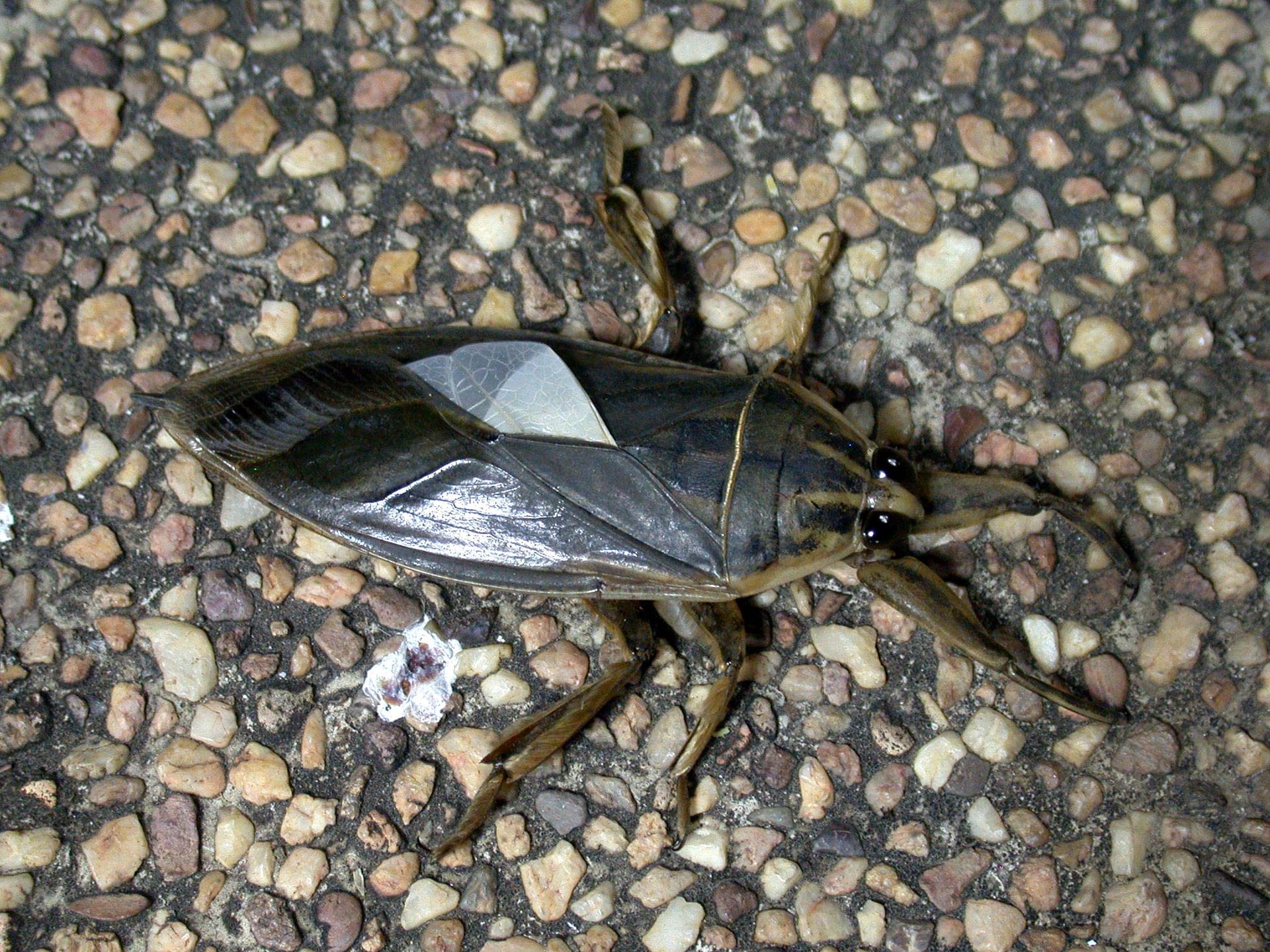
 © Len Worthington / CC BY-SA 2.0
Giant water bug
The Giant water bug, also called the Java giant water bug, is a large aquatic insect native to a broad range across South and Southeast Asia. It closely resembles Japan's own giant water bug but has somewhat smaller forelegs, rounder compound eyes, and a distinctive inverted V-shaped marking on its thorax. As an ambush predator, it seizes fish and other prey with its sickle-like front legs, injects digestive enzymes, and feeds on the liquefied contents—a hunting style that gives it real presence in a tank. In parts of Southeast Asia it's also valued as a food ingredient. Its imposing build and predatory behavior make it a fascinating species for enthusiasts drawn to bold, characterful invertebrates.
View Giant water bug encyclopedia →0% commission on your first sales!Register by September 30, 2026 and your first 2 sales are commission-free!
Breeder Wanted!
List on BreederDirect and sell directly to customers nationwide!
BreederDirect's 6 Transparency Commitments
When listing Insects, Breeders disclose the following. We guarantee transparency on growth stage and breeding unit.
- Life Stage Clarity
- Generation Info
- Real Photos
- Breeding Unit
- Country of Origin
- Body Length (mm)
Browse all 336 breeds
No listings match your filters
Adjust your filters, or get notified when new listings arrive.
Getting alerts is free with a member account. When new listings match your saved search, we'll notify you by email and in-app.
Browse other categories
Verified breeders (preview)
Giant water bug key facts
- Care level
- Advanced
- Lifespan
- Little data
- Size
- Females 74.0-80.0mm, males 64.0-77.6mm
- Diet
- Carnivorous (catches small fish and other small animals)
- Enclosure
- It lives in clean, still water with a steady level and plenty of aquatic plants. It is sensitive to poor water, so change water often and provide plants and perches.
- Temperature & Humidity
- There is little numeric water-temperature data. As a tropical to subtropical species, keep it out of winter cold.
- Food & Feeding
- Giant water bugs are predators; the Japanese species was once a pest of fish farms. Offer live small fish and similar prey.
- Cohabitation
- Being predatory, it will eat fish and other aquatic insects kept with it.
- Health & Notes
- It looks much like the Japanese species but has smaller forelegs, rounder eyes and an inverted-V thoracic mark. The Japanese giant water bug is a nationally rare species (Class 2 specified), whose capture or transfer for sale is prohibited, so confirm the species when buying. Never release captives.
About Giant water bug
A large predatory aquatic insect from South and Southeast Asia, also known as the Java giant water bug. It hunts prey with sickle-like front legs and suits experienced keepers.
7 things to know before welcoming a Giant water bug
1Suited to Experienced Keepers
The Giant water bug is considered a species best suited to experienced keepers. Day-to-day care—managing live feed and water quality—calls for some prior knowledge and hands-on experience. If this is your first aquatic insect, research its care requirements thoroughly before bringing one home.
2A Roomy Tank Is Needed
Adults reach roughly 74.0–80.0mm (females) and 64.0–77.6mm (males), making this a sizeable aquatic insect. A cramped container limits movement and can interfere with molting and hunting, so choose a tank generously sized for its body—and make sure the lid fits securely.
3Feeds on Live Prey
As a predatory insect, the Giant water bug seizes live feeder fish and other small prey with its front legs. It rarely takes to artificial food, so keepers need a reliable way to source and manage live feed on an ongoing basis—factor this into your care plan before bringing one home.
4Handle With Caution
This species has sharp front legs and a piercing mouthpart it can use defensively if provoked, and contact with skin can be painful. Avoid handling it barehanded—use tools such as tongs or a net and approach it carefully.
5Capable of Escaping by Flight
Giant water bugs are capable fliers and are known to be drawn toward light. A loosely fitted lid can let one escape, so use a container that stays well ventilated while still closing securely.
6Females Grow Larger
Adults measure about 74.0–80.0mm in females and 64.0–77.6mm in males, with females tending to grow somewhat larger. Keep this size difference in mind when sizing a tank, especially if you're considering keeping a pair.
7Best Kept Alone
Because of its strong predatory instinct, this species may attack tankmates, so keeping one per container is generally recommended. If housing multiple individuals together, understand the risk of cannibalism and plan carefully.
Frequently asked questions about Giant water bug
- Q.Is the Giant water bug regulated under CITES?
- A.The Giant water bug is not subject to CITES regulation. You don't need to worry about CITES-related trade restrictions when keeping this species.
- Q.How long does the Giant water bug live?
- A.Reliable data on its lifespan is limited, so the exact life expectancy isn't well documented. Keep in mind that information on longevity is scarce when deciding to bring one home.
- Q.How big does the Giant water bug get?
- A.Adults reach about 74.0–80.0mm in females and 64.0–77.6mm in males. Females tend to grow slightly larger than males.
- Q.Can beginners keep this species?
- A.The Giant water bug is generally considered a species suited to experienced keepers. If you're new to keeping it, make sure you've prepared live feed sourcing and water quality management in advance, and consider carefully before taking one on.
- Q.What should I feed it?
- A.It prefers live feeder fish and other small live prey, which it captures with its front legs. Since it rarely accepts artificial food, it's important to have a stable supply of live feed ready before you bring one home.
Useful tools for Giant water bug care
Learn more about Giant water bug in the encyclopedia
View Giant water bug encyclopedia entry →
Care difficulty, lifespan, size and diet — all basics covered.
More in this category
Can't find the one you're looking for?
Post your wishes for free and breeders with matching animals will contact you with introductions.