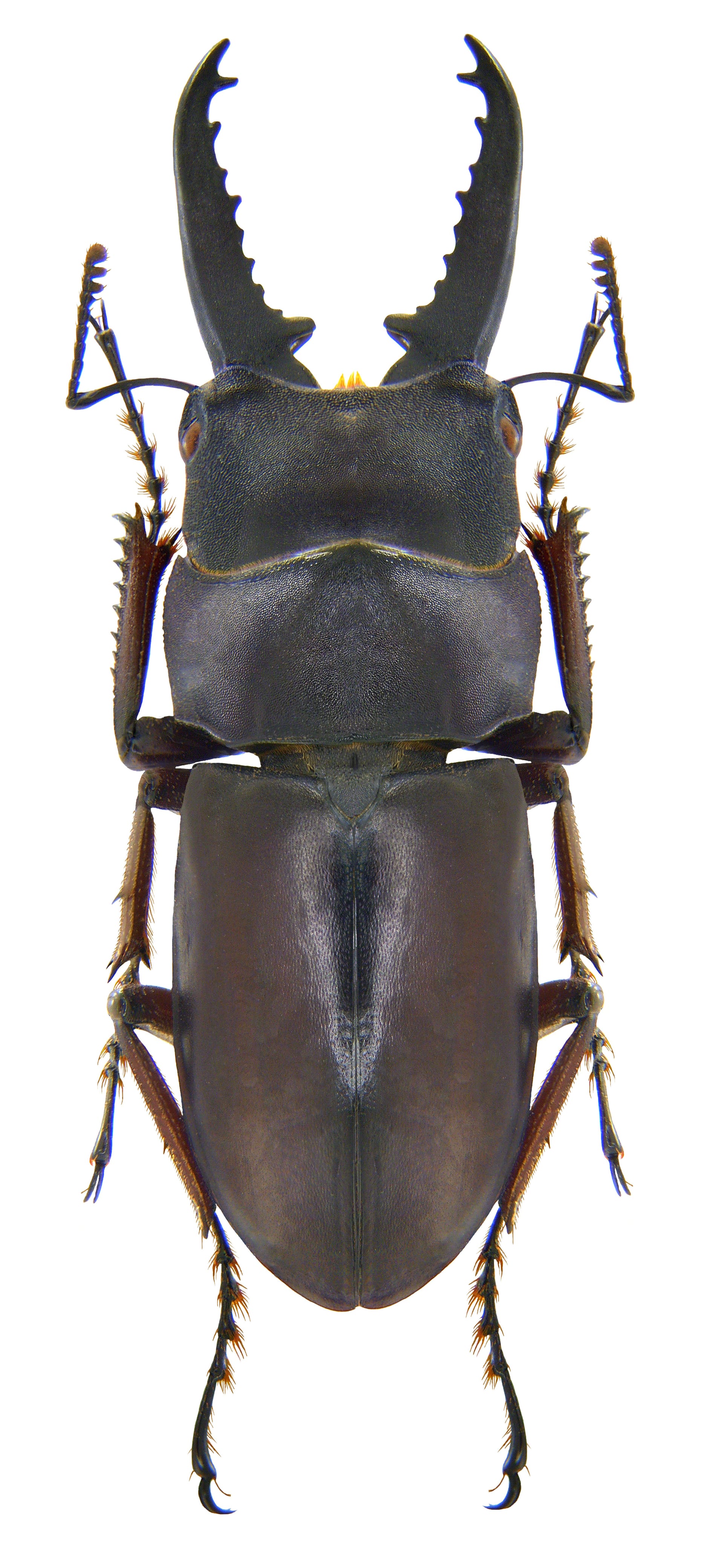
 © Udo Schmidt from Deutschland / CC BY-SA 2.0
Buddha Saw Stag Beetle
The Buddha saw stag beetle takes its scientific name from the historical Buddha, and it ranges widely across Asia, from India and Tibet all the way to the Philippines, splitting into numerous regional subspecies along the way. Its defining feature is the male's long, gracefully curved mandibles, which have earned it the alternate name "bow-horned saw stag beetle." Keeping this species well is generally considered a task for intermediate-level keepers, and part of the appeal is watching how each individual's mandible shape and build develops as it matures.
View Buddha Saw Stag Beetle encyclopedia →0% commission on your first sales!Register by September 30, 2026 and your first 2 sales are commission-free!
Breeder Wanted!
List on BreederDirect and sell directly to customers nationwide!
6 Transparency Standards You Can Trust
When listing Insects, Breeders disclose the following. We guarantee transparency on growth stage and breeding unit.
- Life Stage Clarity
- Generation Info
- Real Photos
- Breeding Unit
- Country of Origin
- Body Length (mm)
Browse all 336 breeds
No listings match your filters
Adjust your filters, or get notified when new listings arrive.
Getting alerts is free with a member account. When new listings match your saved search, we'll notify you by email and in-app.
Browse other categories
Verified breeders (preview)
Buddha Saw Stag Beetle key facts
- Care level
- Intermediate
- Lifespan
- About 8-10 months as adults, the general rule for foreign saw stag beetles
- Size
- Males 26-63mm (captive record 70.6mm for patricius from Sulawesi)
- Temperature
- 20〜24℃
- Diet
- Beetle jelly (sap and fruit are presumed in the wild); larvae on fermented substrate or fungus bottles
- Temperature & Humidity
- Follow the standard routine for foreign saw stags and hold adults and larvae near 20-24C. Do not let winter temperatures fall below 18C.
- Breeding & Egg-laying
- Set a log buried in fermented substrate at around 23-25C. In the wild larvae develop in rotten trunks and the soil nearby and take about a year to emerge.
- Cohabitation
- House both sexes singly. The male's mandibles can crush a female during pairing, so keep them together only briefly and under supervision.
- Lifespan & Rearing Period
- As a general rule for foreign saw stags adults live about 8-10 months. Expect a larval period of roughly a year.
- Health & Notes
- Variation is extreme and mandible shape differs greatly even within a subspecies. Eleven subspecies are traded with locality data, so do not mix them.
About Buddha Saw Stag Beetle
Buddha saw stag beetles are named after the historical Buddha and range from India and Tibet to the Philippines, known for the male's curved mandibles and intermediate keeping difficulty.
7 things to know before welcoming a Buddha Saw Stag Beetle
1Mandible Size Variation
Larval nutrition strongly influences the length and shape of the mandibles that emerge at eclosion. Even within the same species, smaller and larger individuals can look strikingly different, which is part of the appeal.
2Subspecies Variation
Because this species ranges across such a wide area, it has split into many regional subspecies, each with its own body color and mandible shape. Even beetles labeled the same "Buddha saw stag beetle" can look noticeably different depending on where they originate.
3Temperature Management
This is generally considered an intermediate-level species, and keeping the enclosure at a stable temperature takes some experience. Avoiding extreme heat or cold helps keep the beetle healthy.
4Adult Lifespan
Adults typically live around 8 to 10 months. It helps to plan your care routine with that full activity period in mind from the start.
5Wide Range in Male Size
Males range from around 26mm up to over 63mm, giving individuals of the same species a dramatic difference in build. Watching how a beetle's mandibles develop as it grows is one of the joys of keeping this species.
6Enclosure Footing
Beetles with especially large mandibles can have trouble righting themselves if they tip over, so it helps to provide climbing branches or perches. Pay attention to how substrate and driftwood are arranged inside the enclosure.
7Research Before Bringing One Home
Since this is an intermediate-level species, it's worth reviewing basic care and appropriate temperature and humidity ranges before bringing one home. Prepare your space and equipment with its several-month active period in mind.
Frequently asked questions about Buddha Saw Stag Beetle
- Q.Can beginners keep this species?
- A.This species is generally rated as intermediate-level, so some prior experience with beetle keeping is helpful. It's a good idea to learn the basics of temperature control and enclosure setup before bringing one home.
- Q.How big does it get?
- A.Males range from around 26mm up to over 63mm, with a captive record of 70.6mm reported for the Sulawesi patricius subspecies. Mandible length and shape vary a lot between individuals, which is part of the fun of watching them grow.
- Q.How long do adults live?
- A.Adults are typically active for around 8 to 10 months. That's a common lifespan among foreign saw stag beetles in general, giving you plenty of time to enjoy the same individual.
- Q.Where does the name come from?
- A.Its scientific name references the historical Buddha. Because large males have long, bow-shaped mandibles, it's also known by the alternate name "bow-horned saw stag beetle."
- Q.Are there any restrictions on importing or keeping it?
- A.This species is not subject to CITES.
Useful tools for Buddha Saw Stag Beetle care
Learn more about Buddha Saw Stag Beetle in the encyclopedia
View Buddha Saw Stag Beetle encyclopedia entry →
Care difficulty, lifespan, size and diet — all basics covered.
More in this category
Can't find the one you're looking for?
Post your wishes for free and breeders with matching animals will contact you with introductions.