 © Thomas Shahan / CC BY 2.0
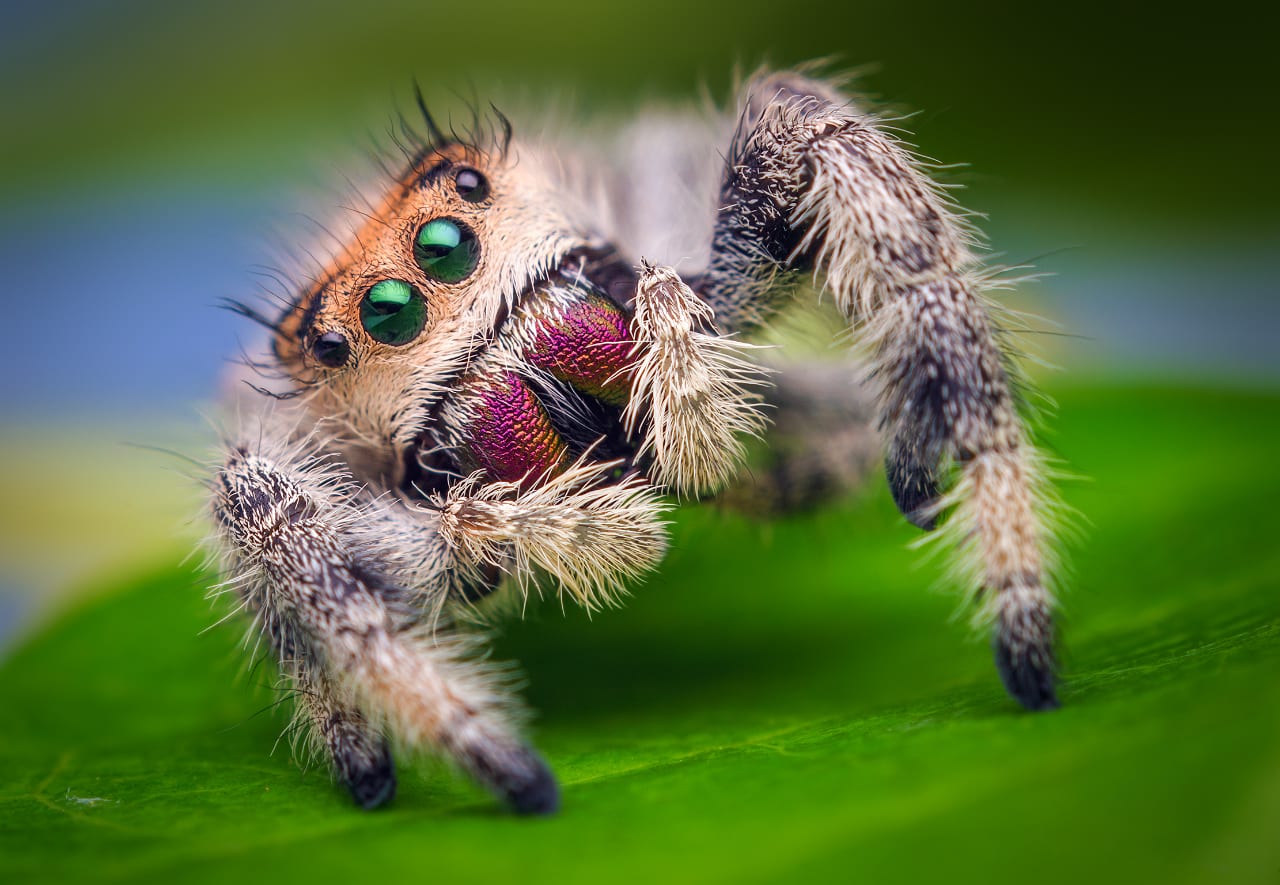
Regal Jumping Spider
The Regal Jumping Spider is one of the largest jumping spider species found in eastern North America, and its striking sexual dimorphism is part of the appeal: females wear a muted coat of brown, orange, and gray scales, while males show off a black body with white markings and iridescent green-blue chelicerae. Being diurnal and highly active, they move, groom, and pounce on prey throughout the day, giving keepers plenty of chances to watch natural behavior. They are generally considered easy to observe and breed, and are typically sold under named locality strains, making them an appealing choice even for first-time keepers.
View Regal Jumping Spider encyclopedia →0% commission on your first sales!Register by September 30, 2026 and your first 2 sales are commission-free!
Breeder Wanted!
List on BreederDirect and sell directly to customers nationwide!
5 Transparency Standards You Can Trust
When listing Exotic Invertebrates, Breeders disclose the following. We guarantee transparency on growth stage and breeding unit.
- Real Photos
- Breeding Unit
- Generation Info
- Body Length (mm)
- Country of Origin
Browse all 249 breeds
No listings match your filters
Adjust your filters, or get notified when new listings arrive.
Getting alerts is free with a member account. When new listings match your saved search, we'll notify you by email and in-app.
Browse other categories
Verified breeders (preview)
Are you raising exotic invertebrates?
Register as a breeder and connect with buyers directly.
Apply as a breederRegal Jumping Spider key facts
- Care level
- Beginner-friendly
- Lifespan
- 1-2 years
- Size
- Males average 1.2cm (0.6-1.8cm), females average 1.5cm (0.7-2.2cm)
- Temperature
- 26〜28℃
- Humidity
- Diet
- Small insects such as fruit flies, house flies and firebrats
- Temperature & Humidity
- 26-28 C and around 70% humidity with good ventilation. Mist a small amount into one corner so they can drink the droplets, and avoid over-misting.
- Enclosure
- A small enclosure that makes use of height, with branches and bark for three-dimensional footing and a place to spin a moulting nest.
- Diet & Feeding
- Fruit flies, house flies and firebrats. Juveniles every three days, adults weekly. Remove uneaten prey within a day.
- Temperament & Venom
- Diurnal and constantly active, visibly tracking the keeper's movements. Like all spiders it has venom, but it is medically insignificant and bites are rare.
- Notes
- It seals itself into a nest before moulting; do not disturb or feed it then. House singly.
About Regal Jumping Spider
One of the largest jumping spiders in eastern North America, with striking male-female color differences and active, diurnal behavior — an approachable exotic pet for beginners.
7 things to know before welcoming a Regal Jumping Spider
1Males and Females Look Different
Females are covered in muted brown, orange, and gray scales, while males have a black body with white markings and iridescent green-blue chelicerae. Knowing this difference in advance helps you understand what to expect when choosing an individual.
2Diurnal and Highly Active
Unlike many nocturnal invertebrates, they stay active during daylight hours, letting you watch natural behaviors like hunting reactions and grooming whenever you like.
3Small Body Size
Adults stay compact — males average around 1.2 cm and females around 1.5 cm — so they can be kept in a small enclosure that doesn't take up much space.
4Keep Individually
Jumping spiders are naturally solitary. Housing multiple individuals together can lead to cannibalism, so each spider should have its own separate enclosure.
5Provide Climbing Perches
Since they are active climbers and jumpers, adding small perches, branches, or plants inside the enclosure encourages natural climbing and jumping behavior.
6Requires Live Prey
Like most spiders, they hunt by reacting to moving prey. Before bringing one home, make sure you can consistently source appropriately sized live feeders such as crickets.
7Easy to Observe and Breed
Considered beginner-friendly, this species is easy to observe during the day and relatively approachable for breeding. Since individuals are often sold under named locality strains, comparing traits across different strains can be part of the fun.
Frequently asked questions about Regal Jumping Spider
- Q.Is this species suitable for beginners?
- A.Yes, this species is generally considered beginner-friendly. It is diurnal and active, making it easy to observe, and as long as you keep it individually and can secure live feeders, it's an approachable choice for a first exotic pet.
- Q.How can I tell males and females apart?
- A.Once mature, males and females are fairly easy to distinguish. Females are covered in brown, orange, and gray scales, while males have a black body with white markings and iridescent green-blue chelicerae.
- Q.Can it be housed with other spiders?
- A.No, it should be kept alone. Placing multiple jumping spiders in the same enclosure risks cannibalism, so provide one enclosure per individual.
- Q.What kind of enclosure does it need?
- A.Since adults are compact, a small enclosure with climbing perches or small plants works well. Since they're diurnal and active, arranging the layout for easy viewing helps you enjoy their natural behavior.
- Q.Are there any CITES restrictions on this species?
- A.This species is not subject to CITES.
Learn more about Regal Jumping Spider in the encyclopedia
View Regal Jumping Spider encyclopedia entry →
Care difficulty, lifespan, size and diet — all basics covered.
More in this category
Can't find the one you're looking for?
Post your wishes for free and breeders with matching animals will contact you with introductions.