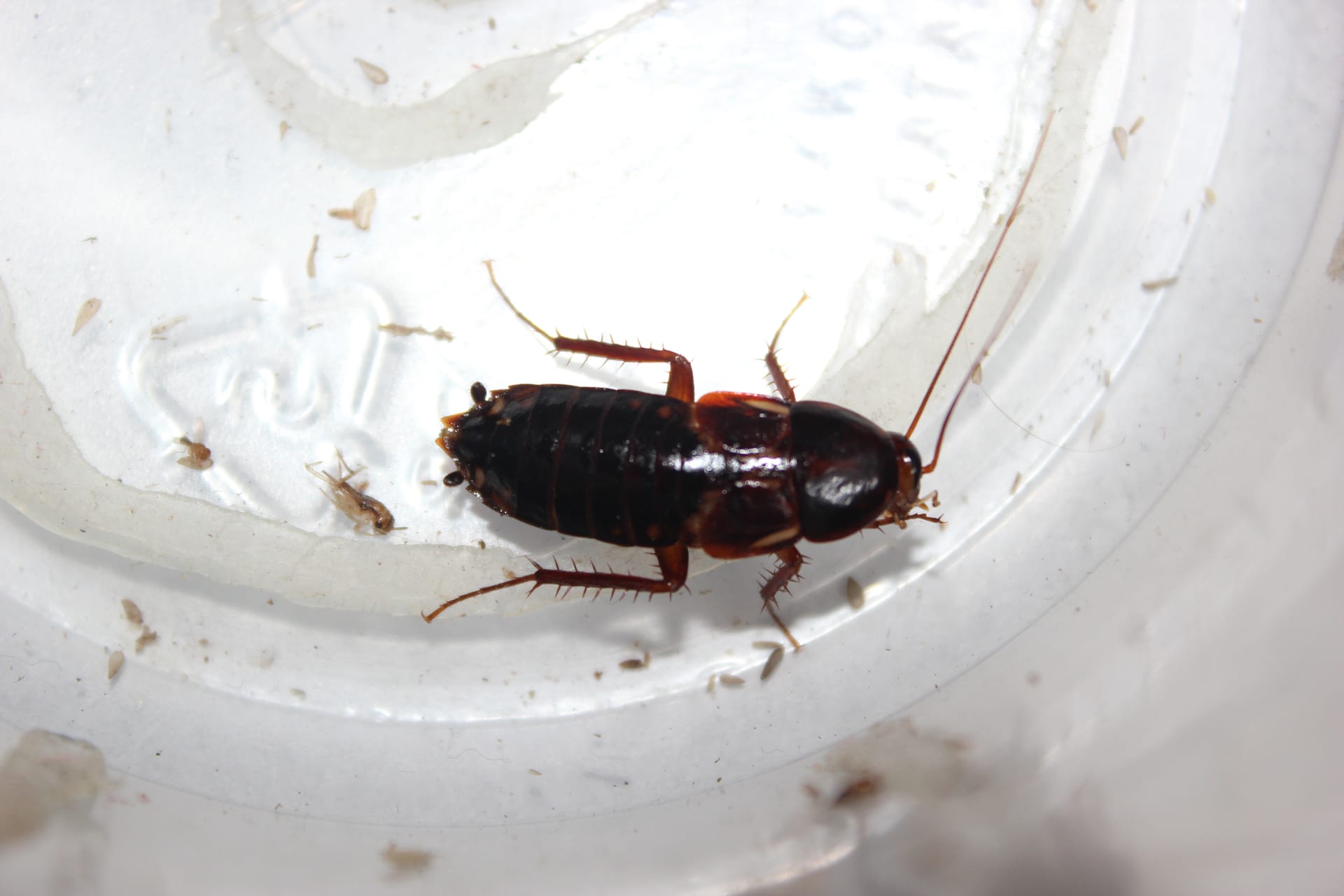
 © Happy1892 / CC BY-SA 3.0
Red Runner Roach
The Red Runner Roach is a slender roach species native to a range stretching from North Africa to Central Asia, known above all for how fast it moves. Because its smooth body can't grip glass or similarly slick surfaces, it's much less prone to climbing out of an open enclosure than many other roach species, which makes it a comparatively easy pick for newcomers. Keeping the substrate warm and consistently moist helps the colony breed steadily without major gaps. Males stand out with long wings that let them glide short distances when startled, while females stay wingless-looking and grounded. At roughly 2.6 to 3 cm as adults, they're a compact, manageable species to house.
View Red Runner Roach encyclopedia →0% commission on your first sales!Register by September 30, 2026 and your first 2 sales are commission-free!
Breeder Wanted!
List on BreederDirect and sell directly to customers nationwide!
5 Transparency Standards You Can Trust
When listing Exotic Invertebrates, Breeders disclose the following. We guarantee transparency on growth stage and breeding unit.
- Real Photos
- Breeding Unit
- Generation Info
- Body Length (mm)
- Country of Origin
Browse all 249 breeds
No listings match your filters
Adjust your filters, or get notified when new listings arrive.
Getting alerts is free with a member account. When new listings match your saved search, we'll notify you by email and in-app.
Browse other categories
Verified breeders (preview)
Are you raising exotic invertebrates?
Register as a breeder and connect with buyers directly.
Apply as a breederRed Runner Roach key facts
- Care level
- Beginner-friendly
- Lifespan
- 6 months to 1 year
- Size
- 2.6-3cm
- Temperature
- 24〜31℃
- Diet
- Vegetables, fruit, grains, prepared insect food
- Temperature & Humidity
- Keep warm at 24-31 C to maintain continuous breeding, and keep the substrate moist.
- Enclosure
- They neither climb nor burrow, so husbandry is simple. Stand egg crates in a ventilated bin, and close the lid securely because males glide.
- Diet & Feeding
- Combine vegetables and fruit with grains or prepared insect food, and gut-load before use as feeders.
- Temperament & Venom
- Harmless and non-biting, but very fast; they escape readily when the lid is opened.
- Notes
- Adult males can glide, so keep the lid secured when handling adults. The species can establish outdoors, so escapes must be prevented.
About Red Runner Roach
A fast-moving, beginner-friendly roach native to North Africa and Central Asia that can't climb glass, making it easy to contain with warm, humid care.
7 things to know before welcoming a Red Runner Roach
1Escape-Resistant by Nature
Red Runner Roaches can't climb smooth surfaces like glass, so they're much less likely to escape an open-topped enclosure than many other roach species. That said, check ventilation gaps carefully and use fine mesh or a secure lid, since they can still squeeze through small openings.
2Keep It Hot and Humid
Maintaining warm, moist substrate helps keep breeding steady and reduces gaps in the colony. If the substrate dries out or temperatures drop for extended periods, the population can decline, so stable heating and regular misting are important.
3Built for Speed
One of this species' defining traits is how fast it moves, including a quick dash the moment an enclosure is opened. Handle lids and openings briskly, and consider a slippery barrier like petroleum jelly around the rim as extra insurance against escapes.
4Males Can Glide
Males have long wings and will glide short distances when startled. Females have much shorter wings and can't fly, which makes it fairly easy to tell the sexes apart at a glance.
5Plan for Heating
Since this species prefers warm conditions, a heat panel or similar warming setup is worth having ready before you bring any home. Pay extra attention during cooler seasons, when room temperatures can drop enough to stress the colony.
6Substrate and Hiding Spots
A thick layer of moistened coconut fiber or leaf litter gives the roaches places to hide and helps them settle in. Keeping part of the substrate consistently damp also supports steady breeding over time.
7Sizing the Enclosure
Adults reach roughly 2.6 to 3 cm, a compact size that fits comfortably in a relatively small enclosure. If you plan to grow the colony, though, choose a container that balances ventilation with humidity retention.
Frequently asked questions about Red Runner Roach
- Q.Can beginners keep Red Runner Roaches?
- A.Yes, this species is generally considered beginner-friendly. It can't climb smooth surfaces like glass, and keeping the environment warm and humid tends to make the colony easier to maintain over time.
- Q.How big do Red Runner Roaches get as adults?
- A.Adults reach about 2.6 to 3 cm in length, a compact size compared to many other exotic invertebrates.
- Q.Is there a risk of them escaping?
- A.They can't grip smooth surfaces like glass, so escaping from an enclosure is uncommon. Still, they can squeeze through small gaps in ventilation, so it's worth double-checking that lids and mesh are fine enough to keep them contained.
- Q.Can you tell males and females apart?
- A.Males have long wings and will glide when startled, while females have much shorter wings and don't fly. Wing length makes it fairly easy to distinguish the sexes.
- Q.What kind of substrate should I use?
- A.Keeping the substrate warm and consistently moist is said to help keep breeding steady. If it dries out or temperatures drop for a while, the population can decline, so balancing humidity and heat is important.
Learn more about Red Runner Roach in the encyclopedia
View Red Runner Roach encyclopedia entry →
Care difficulty, lifespan, size and diet — all basics covered.
More in this category
Can't find the one you're looking for?
Post your wishes for free and breeders with matching animals will contact you with introductions.