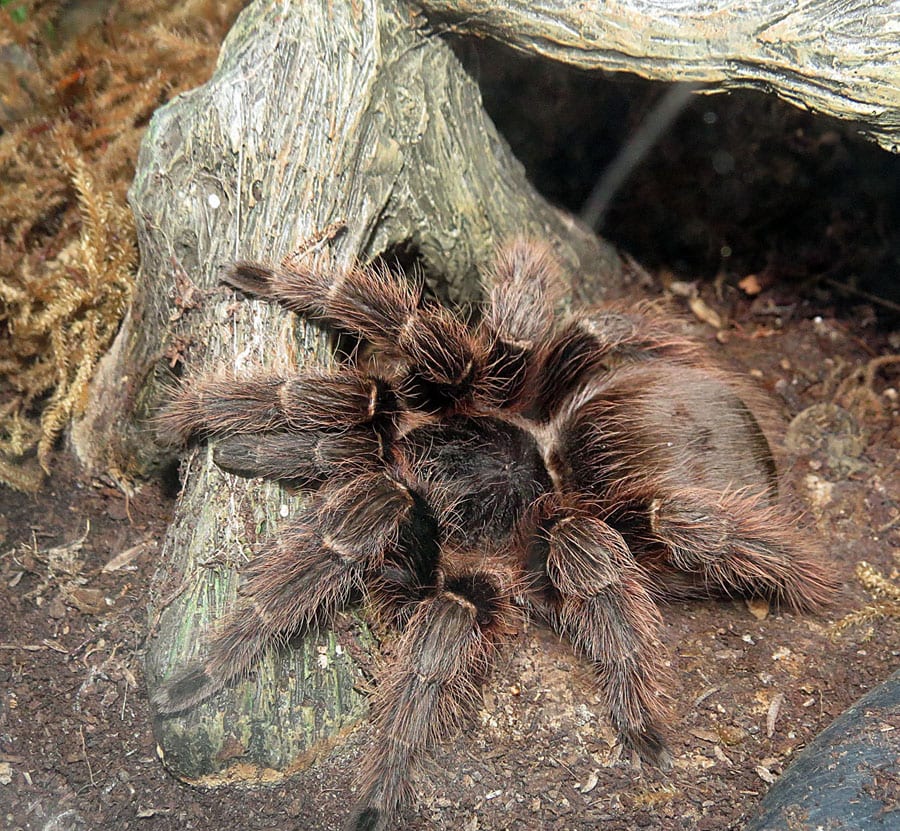
 © Dick Culbert / CC BY 2.0
Pink Zebra Beauty
The Pink Zebra Beauty is a terrestrial tarantula native to South America, prized for its striking looks: a deep brown body accented with pale yellow banding on the legs and a dusting of pink-tinged hairs. Adults can reach a legspan of up to about 15 cm, yet this species moves slowly and has an exceptionally calm temperament. That combination of good looks and easygoing behavior makes it a favorite starter tarantula for first-time keepers, who can enjoy watching it burrow and settle into its hide.
View Pink Zebra Beauty encyclopedia →0% commission on your first sales!Register by September 30, 2026 and your first 2 sales are commission-free!
Breeder Wanted!
List on BreederDirect and sell directly to customers nationwide!
5 Transparency Standards You Can Trust
When listing Exotic Invertebrates, Breeders disclose the following. We guarantee transparency on growth stage and breeding unit.
- Real Photos
- Breeding Unit
- Generation Info
- Body Length (mm)
- Country of Origin
Browse all 249 breeds
No listings match your filters
Adjust your filters, or get notified when new listings arrive.
Getting alerts is free with a member account. When new listings match your saved search, we'll notify you by email and in-app.
Browse other categories
Verified breeders (preview)
Are you raising exotic invertebrates?
Register as a breeder and connect with buyers directly.
Apply as a breederPink Zebra Beauty key facts
- Care level
- Beginner-friendly
- Lifespan
- Females 15-20 years / males 3-5 years
- Size
- Up to about 14-15cm leg span
- Temperature
- 20〜24℃
- Humidity
- 70〜80%
- Diet
- Live insects such as crickets and roaches
- Temperature & Humidity
- Room temperature of 20-24 C suits it, with 22-24 C a good target. Aim for roughly 70-80% humidity, keeping one corner slightly damp and a permanent water dish available.
- Enclosure
- Terrestrial: use a horizontal enclosure with substrate deep enough for light burrowing and a cork bark hide. Being slow-moving, it does not need excessive space.
- Diet & Feeding
- It feeds well on crickets and roaches. The appetite is strong for its build but growth is slow; space out feedings while the abdomen is plump.
- Temperament & Venom
- Exceptionally docile and slow, it rarely bites. It has urticating hairs but seldom kicks them. The venom is weak and no serious effects on humans are known.
- Notes
- Slow growth means years to reach adult size. Docile though it is, it still has urticating hairs, so handling bare-handed is best avoided.
About Pink Zebra Beauty
Pink Zebra Beauty is a docile, slow-moving South American terrestrial tarantula with striking pink-tinged hair, popular as a beginner-friendly species.
7 things to know before welcoming a Pink Zebra Beauty
1Calm, Slow-Moving Temperament
This tarantula is known for its exceptionally calm temperament and slow, deliberate movements. It rarely bolts or reacts erratically when startled, which makes daily observation and care much less stressful for beginners.
2A Terrestrial Setup
As a ground-dwelling species rather than a tree-dweller, it does best in an enclosure with generous floor space rather than height. Provide a deep enough substrate for burrowing along with a hide where it can retreat.
3Sizing Up the Enclosure
This species can reach a legspan of roughly 14 to 15 cm at full maturity. Start juveniles in a smaller enclosure and gradually move them to larger housing as they grow.
4Handling Around Molting
Like all tarantulas, this species molts periodically as it grows. It may stop eating in the lead-up to a molt, and its body is extremely delicate immediately afterward, so avoid touching or disturbing it during this time.
5Defensive Urticating Hairs
When startled or stressed, it may kick fine urticating hairs from its abdomen as a defense mechanism. Contact with skin or eyes can cause irritation, so handle its enclosure calmly and avoid sudden movements or disturbances.
6Feeding Basics
This is a carnivorous species that feeds on insects, with juveniles typically needing more frequent feedings than adults. Remove any uneaten prey promptly and always keep fresh water available in the enclosure.
7Preparing Before You Bring One Home
Before bringing one home, set up the enclosure somewhere you can maintain stable temperature and humidity, and choose a cage with a secure, escape-proof lid. Make sure it allows adequate ventilation while leaving no gaps the animal could squeeze through.
Frequently asked questions about Pink Zebra Beauty
- Q.Is this species suitable for beginners?
- A.Yes. Its exceptionally calm temperament and slow movements make it a popular choice for first-time tarantula keepers, and it's manageable as long as the basic habitat requirements are met.
- Q.How large does it grow?
- A.It reaches a legspan of roughly 14 to 15 cm at full size. Growth rates vary between individuals, so the time it takes to reach adulthood can differ.
- Q.Is it an aggressive species?
- A.No, it's known for being an exceptionally calm, slow-moving tarantula. That said, it may still show defensive behavior like kicking urticating hairs when startled, so it should always be handled gently.
- Q.Is this species listed under CITES?
- A.No, the Pink Zebra Beauty is not listed under CITES.
- Q.How much daily care does it require?
- A.Tarantulas don't require hands-on daily care in the way many pets do. The basics involve periodic feeding, refreshing the water dish, and checking that temperature and humidity stay within a suitable range.
Learn more about Pink Zebra Beauty in the encyclopedia
View Pink Zebra Beauty encyclopedia entry →
Care difficulty, lifespan, size and diet — all basics covered.
More in this category
Can't find the one you're looking for?
Post your wishes for free and breeders with matching animals will contact you with introductions.