 © Marshal Hedin / CC BY 2.0
Black-back Desert Hairy Scorpion
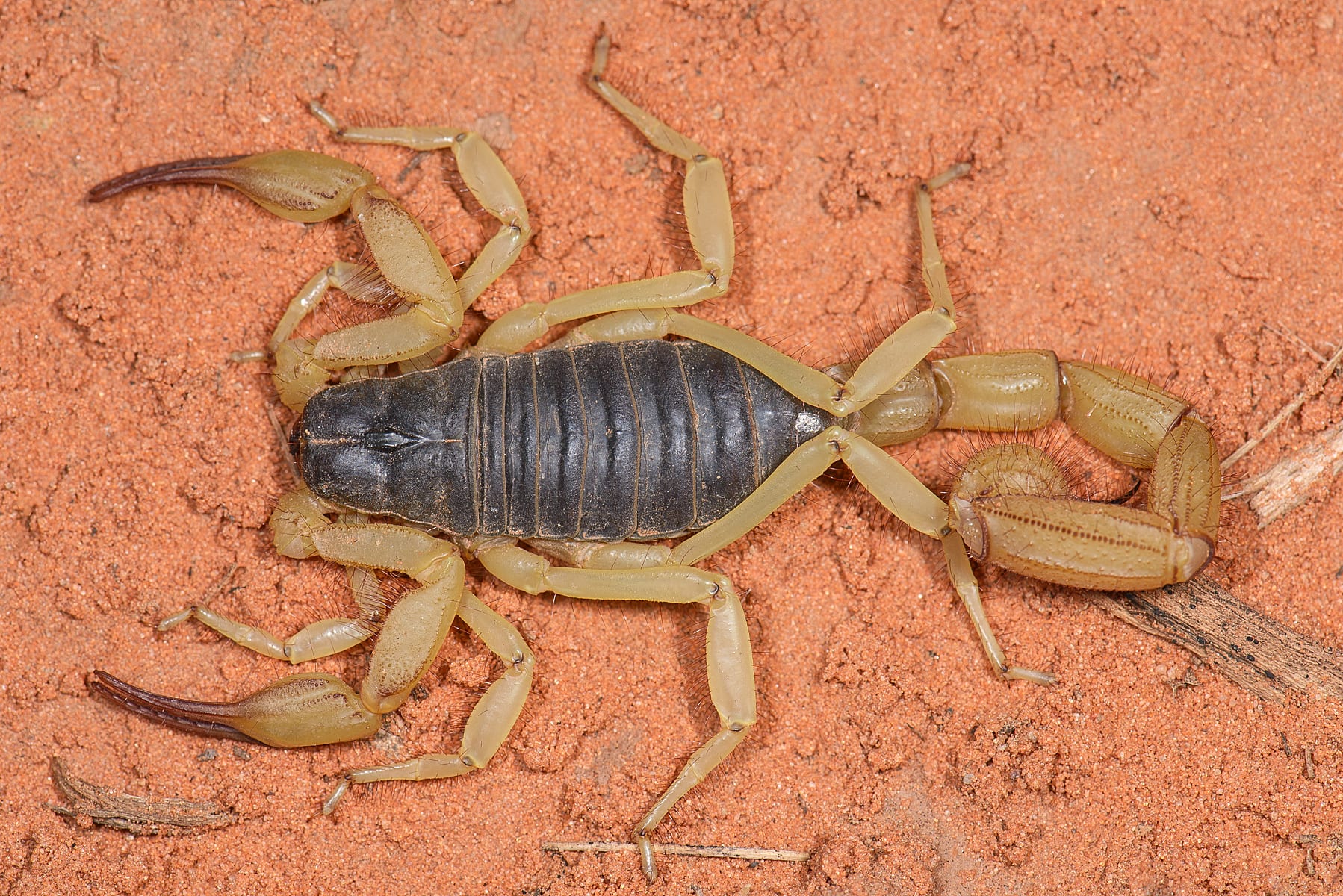
The Black-back Desert Hairy Scorpion is a large scorpion, around 15cm in length, native to the desert regions of southern North America. Its most distinctive trait is a uniformly black cephalothorax, which sets it apart from the closely resembling Desert Hairy Scorpion. It digs and expands its own burrow, spending much of the day underground before emerging at night to move around, making it a classic burrowing species. Its sturdy build and commanding presence give it real visual impact, and its relatively slow movements make it easy to observe. Considered a species for intermediate keepers, it can become a rewarding companion once its desert-adapted habits are understood and its enclosure is set up accordingly.
View Black-back Desert Hairy Scorpion encyclopedia →0% commission on your first sales!Register by September 30, 2026 and your first 2 sales are commission-free!
Breeder Wanted!
List on BreederDirect and sell directly to customers nationwide!
5 Transparency Standards You Can Trust
When listing Exotic Invertebrates, Breeders disclose the following. We guarantee transparency on growth stage and breeding unit.
- Real Photos
- Breeding Unit
- Generation Info
- Body Length (mm)
- Country of Origin
Browse all 249 breeds
No listings match your filters
Adjust your filters, or get notified when new listings arrive.
Getting alerts is free with a member account. When new listings match your saved search, we'll notify you by email and in-app.
Browse other categories
Verified breeders (preview)
Are you raising exotic invertebrates?
Register as a breeder and connect with buyers directly.
Apply as a breederAbout Black-back Desert Hairy Scorpion
A large, ~15cm scorpion native to southern North America's deserts, identifiable by its solid black carapace. It digs burrows and spends most of the day underground — a species suited to intermediate keepers.
7 things to know before welcoming a Black-back Desert Hairy Scorpion
1Burrow-Friendly Substrate
This species digs and expands burrows in sand, so provide a dry substrate deep enough to tunnel into. If the substrate layer is too shallow, it won't be able to dig a proper burrow and may seem restless without adequate shelter.
2Recreate a Dry Desert Setup
Native to the arid deserts of southern North America, this scorpion needs a dry enclosure rather than humid conditions. Still, keep a water dish available at all times so it can drink whenever needed.
3Rarely Seen During the Day
It spends much of the day underground in its burrow, so daytime sightings are uncommon. Activity picks up after dark, making evening the best time to observe it.
4Handle With Care — It's Large
This is a large scorpion reaching about 15cm in length, equipped with both a stinger and pincers. Avoid handling it with bare hands and use tongs or similar tools for enclosure maintenance.
5Keep One Per Enclosure
Scorpions are territorial and can turn on each other, so they should be housed individually. Never place more than one in the same enclosure.
6ID Tip: The Black Carapace
A uniformly black cephalothorax is this species' defining trait, distinguishing it from the closely resembling Desert Hairy Scorpion. Check for this coloring when identifying your scorpion.
7Set Up Before Bringing One Home
Prepare a deep substrate, heating equipment, and a water dish in advance so the enclosure is burrow-ready before arrival. Since this species suits intermediate keepers, some prior scorpion-keeping experience will help.
Frequently asked questions about Black-back Desert Hairy Scorpion
- Q.Can beginners keep this species?
- A.It's generally considered suited to intermediate keepers rather than complete beginners, so it can be more challenging to care for. It's a good idea to gain some basic scorpion-keeping experience before bringing one home.
- Q.Where is it during the day?
- A.It spends most of the daytime hidden inside the burrow it digs, so it's rarely visible. It becomes active on the surface after dark.
- Q.How is it different from the Desert Hairy Scorpion?
- A.The two look very similar, but the Black-back Desert Hairy Scorpion can be identified by its uniformly black cephalothorax. Other traits, including size, are largely shared between the two.
- Q.Can it be housed with other scorpions?
- A.Scorpions are territorial and may prey on each other, so each individual should be kept in its own enclosure. Avoid housing multiple scorpions together.
- Q.Is this species subject to CITES?
- A.This species is not subject to CITES.
Learn more about Black-back Desert Hairy Scorpion in the encyclopedia
View Black-back Desert Hairy Scorpion encyclopedia entry →
Care difficulty, lifespan, size and diet — all basics covered.
More in this category
Can't find the one you're looking for?
Post your wishes for free and breeders with matching animals will contact you with introductions.