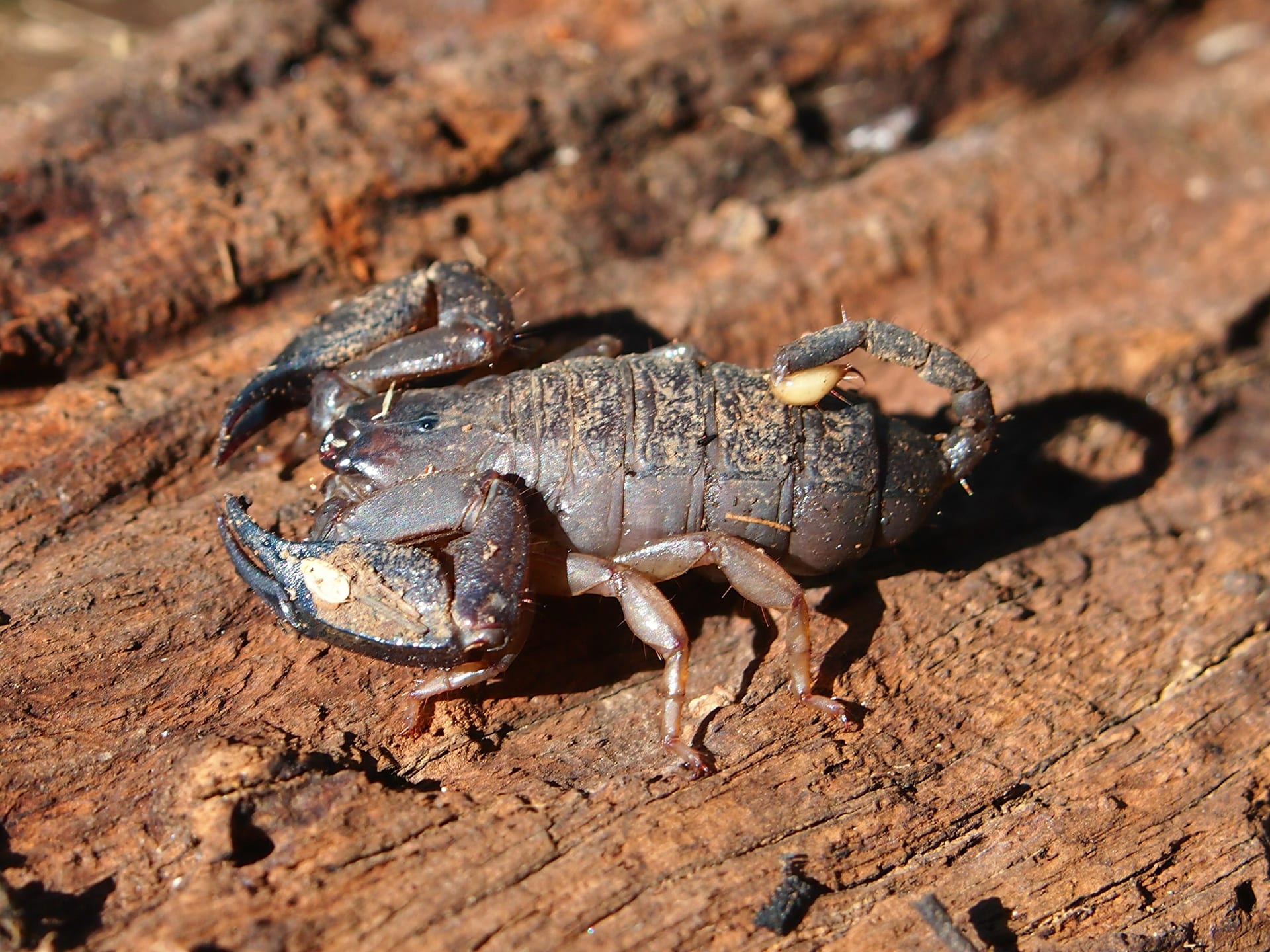
 © Mark Marathon / CC BY-SA 3.0
Rainforest Scorpion
The Rainforest Scorpion is native to northeastern Australia and the surrounding New Guinea region, reaching a total length of around 6.5 cm — a fairly substantial size for the group. Its body is long and flattened, letting it wedge itself into narrow gaps such as rock crevices and beneath peeling bark. The pedipalps are notably well developed, and this species tends to rely on their grip strength rather than venom to subdue prey. Because it favors warm, humid conditions, keepers need to pay close attention to heating and humidity in captivity. Generally calm and secretive, spending much of its time hidden away, it's considered a good match for keepers with some prior experience.
View Rainforest Scorpion encyclopedia →0% commission on your first sales!Register by September 30, 2026 and your first 2 sales are commission-free!
Breeder Wanted!
List on BreederDirect and sell directly to customers nationwide!
5 Transparency Standards You Can Trust
When listing Exotic Invertebrates, Breeders disclose the following. We guarantee transparency on growth stage and breeding unit.
- Real Photos
- Breeding Unit
- Generation Info
- Body Length (mm)
- Country of Origin
Browse all 249 breeds
No listings match your filters
Adjust your filters, or get notified when new listings arrive.
Getting alerts is free with a member account. When new listings match your saved search, we'll notify you by email and in-app.
Browse other categories
Verified breeders (preview)
Are you raising exotic invertebrates?
Register as a breeder and connect with buyers directly.
Apply as a breederRainforest Scorpion key facts
- Care level
- Intermediate
- Lifespan
- 4-6 years
- Size
- About 6.5cm in length
- Humidity
- Diet
- Live insects such as crickets
- Temperature & Humidity
- It prefers warm, humid conditions; keep substrate and hides damp.
- Enclosure
- Its flattened body lets it wedge into rock crevices and under decaying bark and leaf litter. Stack flat hides and bark to create narrow gaps.
- Diet & Feeding
- Offer live insects such as crickets; it subdues prey with its powerful pincers.
- Temperament & Venom
- There is no established account of its temperament or venom. As with any scorpion, do not handle it bare-handed.
- Notes
- The name Hormurus waigiensis is widely used, so trade names and scientific names may not line up. Letting the enclosure dry out will cost the animal condition.
About Rainforest Scorpion
A scorpion native to northeastern Australia and New Guinea, reaching about 6.5 cm with a flattened body and powerful claws. It favors warm, humid conditions and suits keepers with some experience.
7 things to know before welcoming a Rainforest Scorpion
1Native Range
This species is native to the tropical regions of northeastern Australia and the surrounding New Guinea area. In the wild, it shelters in narrow gaps such as rock crevices and beneath peeling bark.
2Flattened Body
It reaches a total length of around 6.5 cm, with a long, flattened body shape. This flat form lets it squeeze into even very narrow gaps.
3Powerful Claws
It has well-developed pedipalps (claws) and tends to rely on their grip strength to subdue prey. Take care around these claws whenever you work inside the enclosure.
4Warmth and Humidity
Because its native range is warm and humid, captive setups need heating and humidity management to match. Avoid letting the enclosure dry out or swing sharply in temperature.
5Providing Hides
Since it naturally hides in rock crevices and under bark, providing cork bark or flat stones it can wedge itself under helps it settle in.
6Calm, Secretive Nature
This scorpion is generally calm and secretive, spending much of the daytime tucked away in its hiding spot. You may occasionally see it active at night.
7Experience Level
This species is considered suitable for keepers with some prior experience, given the temperature and humidity management and handling care it requires.
Frequently asked questions about Rainforest Scorpion
- Q.How long does a Rainforest Scorpion live?
- A.Lifespan varies considerably between individuals and depends on how it's kept. It's best to check with your supplier or experienced keepers and focus on providing stable, appropriate conditions.
- Q.Is the Rainforest Scorpion regulated under CITES?
- A.No, the Rainforest Scorpion is not listed under CITES.
- Q.Is it aggressive, and can it be handled?
- A.It's generally calm and not prone to aggression, but its powerful claws call for careful handling. Keeping direct handling to a minimum and using proper tools when needed is the safer approach.
- Q.Can a beginner keep this species?
- A.It's considered better suited to keepers with some prior experience, so building skills with an easier species first is a good idea. Those already comfortable managing temperature and humidity should find it manageable.
- Q.What kind of enclosure setup does it need?
- A.Since it favors warm, humid conditions, an enclosure with heating and humidity control suits it well. Adding hides such as cork bark helps it feel secure.
Learn more about Rainforest Scorpion in the encyclopedia
View Rainforest Scorpion encyclopedia entry →
Care difficulty, lifespan, size and diet — all basics covered.
More in this category
Can't find the one you're looking for?
Post your wishes for free and breeders with matching animals will contact you with introductions.