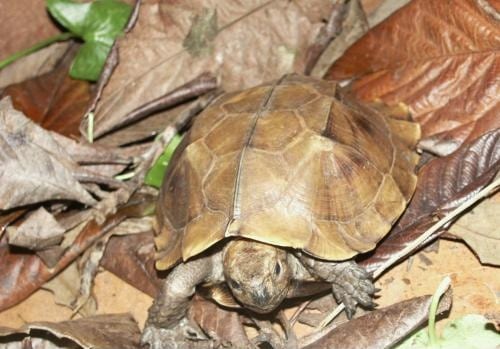
 © Cuora (English Wikipedia) / CC BY-SA 3.0
Keeled Box Turtle
The Keeled Box Turtle is an Asian box turtle known for its distinctive shell, marked by three raised keels running down the carapace and a saw-like serrated rear edge. It leans strongly terrestrial, and in the wild it's often found feeding on fallen fruit. Males and females can be told apart by eye color — black or brown for males, orange or red for females. Growing to an average carapace length of 15–17 cm and up to about 20.2 cm at most, it's a turtle that rewards attentive, hands-on care and has earned a loyal following among reptile keepers.
View Keeled Box Turtle encyclopedia →Breeder Wanted!
List on BreederDirect and sell directly to customers nationwide!
BreederDirect's 6 Transparency Commitments
Every Reptiles & Amphibians from verified Breeder breeders includes complete information: morph, genetics, feeding requirements, and temperament details.
- Morph Information
- Actual Photos
- Feeding Information
- Temperament Information
- Genetics Information
- Age (Months)
Browse all 319 breeds
Difficulty Level
Feeding Type
Temperament
No listings match your filters
Adjust your filters, or get notified when new listings arrive.
Getting alerts is free with a member account. When new listings match your saved search, we'll notify you by email and in-app.
Browse other categories
Verified breeders (preview)


Are you raising reptiles & amphibians?
Register as a breeder and connect with buyers directly.
Apply as a breederKeeled Box Turtle key facts
- Care level
- Intermediate
- Size
- Carapace length averages 15-17 cm, max 20.2 cm
- Diet
- Mainly herbivorous omnivore (fallen fruit, worms, snails)
- Housing
- A largely terrestrial turtle with little webbing; use a land-based setup with moisture-holding substrate, leaf litter, hides and a shallow water dish.
- Diet & Feeding
- Wild animals mainly eat fallen fruit and other plants, plus worms and snails. Offer fruit and vegetables with some animal food.
- Temperament
- Males are very aggressive when mating and may chase and injure females, so house the sexes separately most of the time.
- Health & Cautions
- Sexing is easy: males have black or brown eyes and long, thick claws; females have orange or red eyes and shorter claws.
- Notes
- CITES sets a zero export quota for wild specimens traded commercially, so confirm whether an animal is captive-bred. Never release a captive animal into the wild.
About Keeled Box Turtle
The Keeled Box Turtle is an Asian species with three carapace keels. Strongly terrestrial and fruit-loving, it suits intermediate keepers, growing up to about 20.2 cm, with sexes told apart by eye color.
7 things to know before welcoming a Keeled Box Turtle
1Strongly Terrestrial
Keeled Box Turtles spend more time on land than in water. Set up their enclosure with a shallow water dish and a generous land area so they have room to roam and explore.
2Three Distinct Keels
Three prominent keels run along the carapace, and the rear edge is jagged like a saw blade. This distinctive shell texture makes it easy to distinguish from other Asian box turtles.
3Sexing by Eye Color
Males typically have black or brown eyes, while females have orange or red eyes, so you can tell them apart by eye color. However, males can be very aggressive during the breeding season and may chase and injure females, so males and females are normally housed separately.
4A Taste for Fruit
In the wild, this species is known to favor fallen fruit. In captivity, base the diet on fruit and vegetables and add a little animal protein, such as earthworms.
5Suited to Intermediate Keepers
Care for the Keeled Box Turtle is generally considered suitable for intermediate keepers. Managing temperature and humidity takes some know-how, so having prior reptile-keeping experience before bringing one home is recommended.
6Limited Lifespan Data
There isn't yet much documented data on captive lifespan for this species. Approach ownership with a long-term commitment in mind, ready to provide care for as long as it's needed.
7Preparing Before Arrival
Before bringing one home, prepare a land-focused setup with hiding spots and substrate that offers a humidity gradient. Having a calm, ready environment in place will help the turtle settle in smoothly.
Frequently asked questions about Keeled Box Turtle
- Q.Can beginners keep a Keeled Box Turtle?
- A.This species is generally considered suitable for intermediate keepers rather than absolute beginners. If you're new to reptile care, it's wise to build up knowledge of temperature and humidity management before bringing one home.
- Q.How can you tell males and females apart?
- A.Eye color is the most common way to sex this species — males have black or brown eyes, while females have orange or red eyes. In grown individuals, checking eye color usually gives a reliable indication of sex.
- Q.How big does this turtle grow?
- A.Carapace length averages around 15–17 cm, with a maximum of about 20.2 cm reported. That makes it a relatively manageable size compared to many other box turtle species.
- Q.What should I feed it?
- A.Since wild individuals are known to favor fallen fruit, it's best to base the captive diet on fruit and vegetables. Add a little animal protein, such as earthworms, to keep the diet balanced.
- Q.Are there any legal considerations to know about?
- A.The Keeled Box Turtle is listed under CITES Appendix II. It's worth keeping this in mind when considering bringing one into your home.
Useful tools for Keeled Box Turtle care
Learn more about Keeled Box Turtle in the encyclopedia
View Keeled Box Turtle encyclopedia entry →
Care difficulty, lifespan, size and diet — all basics covered.
More in this category
Can't find the one you're looking for?
Post your wishes for free and breeders with matching animals will contact you with introductions.