 © PotMart186 / CC BY-SA 4.0
Shingleback
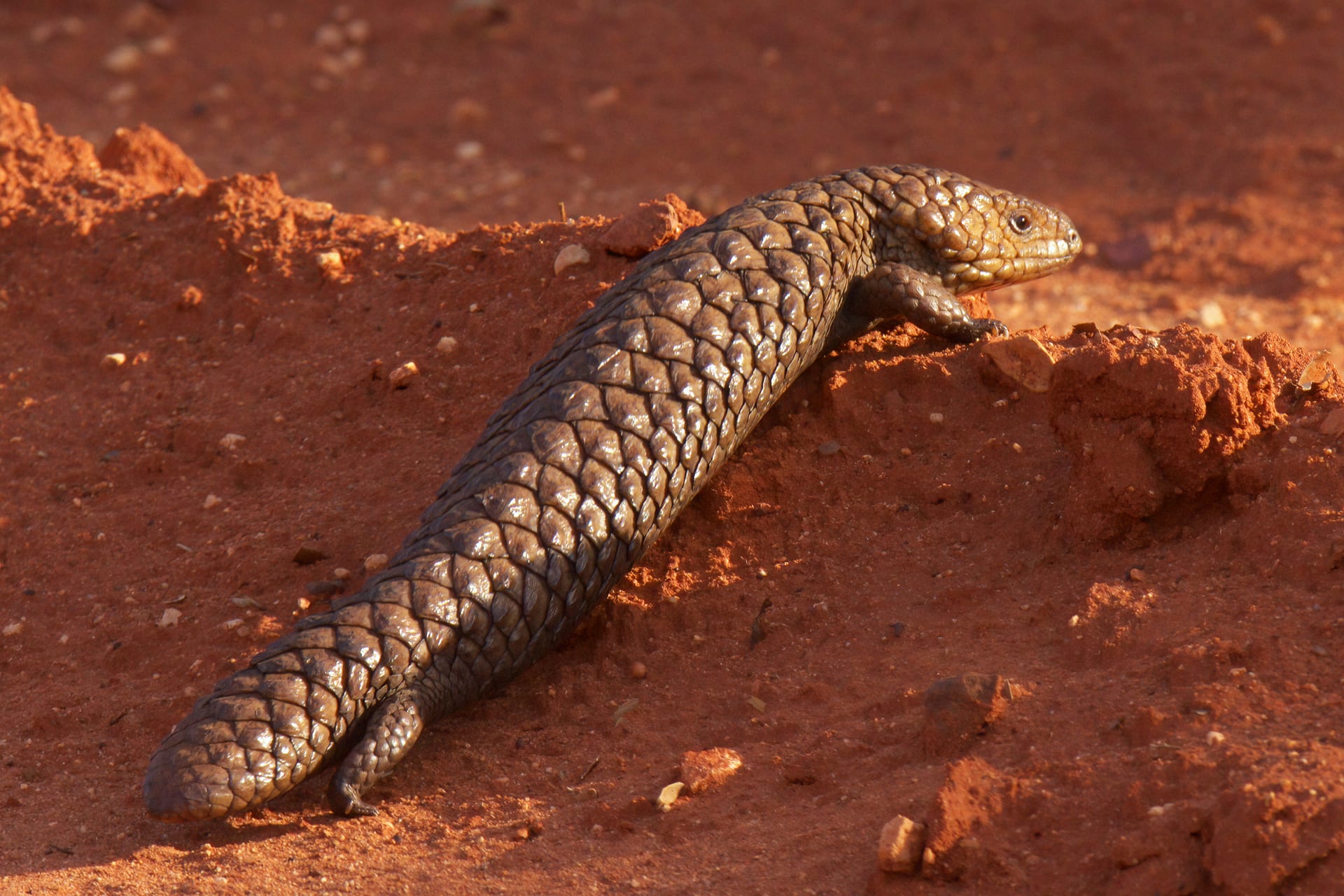
Shinglebacks are a member of the blue-tongued skink family native to Australia's arid regions. Their signature trait is a coat of thick, knobby scales that resemble a pine cone, paired with a short, stubby tail so similar in shape to their head that it's thought to confuse predators. These lizards move at an unhurried pace and tend to have a calm, easygoing temperament, with a diet leaning heavily toward plant matter. Their tongue is a striking dark, almost black color, often flashed as a defensive display when startled. Considered suitable for intermediate keepers, their placid nature makes them a natural next step for anyone who has grown comfortable with reptile care.
View Shingleback encyclopedia →0% commission on your first sales!Register by September 30, 2026 and your first 2 sales are commission-free!
Breeder Wanted!
List on BreederDirect and sell directly to customers nationwide!
6 Transparency Promises from Br-Choku
Every Reptiles & Amphibians from verified Breeder breeders includes complete information: morph, genetics, feeding requirements, and temperament details.
- Morph Information
- Actual Photos
- Feeding Information
- Temperament Information
- Genetics Information
- Age (Months)
Browse all 280 breeds
Difficulty Level
Feeding Type
Temperament
Verified breeders wanted for Reptiles & Amphibians
Breeders are signing up now ahead of launch. Subscribe to be notified when new listings go live.
Getting alerts is free with a member account. When new listings match your saved search, we'll notify you by email and in-app.
Browse other categories
Verified breeders (preview)
Are you raising reptiles & amphibians?
Register as a breeder and connect with buyers directly.
Apply as a breederShingleback key facts
- Care level
- Intermediate
- Lifespan
- 15-20 years, with records over 35 years
- Size
- 30-35cm
- Temperature
- 21〜29℃
- Humidity
- 20〜40%
- Diet
- Mainly plant matter such as flowers, fruit and leaves, plus snails, insects and carrion
- Temperature & Humidity
- As an Australian species, aim for a cool side of 21-29 C, nights of 18-24 C and a basking surface of 37-40 C. It comes from dry country, so hold humidity at 20-40% for T. rugosa and avoid damp conditions.
- Enclosure
- Provide a floor area at least three times the lizard's total length (at least 1.1 square metres) and 45 cm or more of height. Use a dry substrate with hides and a UVB lamp. It is diurnal and basks readily, so build a clear thermal gradient.
- Diet & Feeding
- Adults should take 70-80% plant matter and be fed twice a week. The key difference from other blue tongues is the lower proportion of animal protein: base the diet on flowers, fruit and leafy vegetables with small amounts of snails and insects.
- Temperament
- Diurnal and very slow-moving. It is the only blue tongue whose young are raised in family groups, and pairs breed with the same partner for life. It tames well.
- Notes
- Australia bans the export of native wildlife, so the only legal animals are descendants of stock taken out before the ban. Poaching and illegal trade are a real problem for this species, so buy only animals with documented provenance. Australia listed it on CITES Appendix III effective 22 June 2022.
About Shingleback
Shingleback skinks feature pine cone-like scales and a short, stubby tail. Calm, slow-moving, and largely plant-eating, they're an intermediate-level reptile with a 15-20 year lifespan.
7 things to know before welcoming a Shingleback
1Head-Like Tail Shape
The shingleback's short, blunt tail closely resembles its head, a trait thought to help confuse predators about which end to attack. It's also one of the species' most distinctive visual features.
2Slow and Even-Tempered
Shinglebacks are generally slow-moving and known for a calm disposition. Many individuals settle comfortably once accustomed to gentle handling.
3Plant-Heavy Diet
These skinks have a diet leaning heavily toward plant matter such as vegetables, flowers, and fruit. Menus should be adjusted to each individual's preferences and needs.
4Prefers Arid Setups
As a species native to Australia's dry regions, shinglebacks do best in an arid-style enclosure. Focus on proper UV lighting and heating rather than high humidity.
5Plan for Adult Size
Adults reach roughly 30 to 35 cm in length. Choosing an enclosure and equipment with their full adult size in mind from the start will save you a future upgrade.
6A Long-Term Commitment
Shinglebacks typically live 15 to 20 years, with some records exceeding 35 years. Prospective owners should be prepared for a long-term relationship with their pet.
7Best Suited to Experienced Keepers
As an intermediate-level species, shinglebacks are best kept by those who already have a handle on reptile care basics like temperature, UV lighting, and diet management.
Frequently asked questions about Shingleback
- Q.Can beginners keep a shingleback?
- A.They're generally considered suitable for intermediate keepers rather than absolute beginners. Having some prior reptile care experience makes day-to-day husbandry easier to manage. First-time keepers should research care requirements thoroughly beforehand.
- Q.How long will I need to care for one?
- A.Shinglebacks typically live 15 to 20 years, with some records showing individuals living past 35 years. It's worth factoring this long timeframe into your plans before bringing one home.
- Q.How big do they get as adults?
- A.Adults reach approximately 30 to 35 cm in length. It's a good idea to plan your enclosure setup around their eventual adult size from the start.
- Q.What should I feed a shingleback?
- A.They have a diet that leans heavily toward plant matter, centered on vegetables and fruit. Contents should be adjusted based on each individual's condition and preferences.
- Q.Are there any trade restrictions on shinglebacks?
- A.Shingleback is listed in CITES Appendix III (listed by Australia for its own populations). International trade needs documents such as a certificate of origin, but as far as CITES is concerned, no registration is needed to buy or sell in Japan.
Useful tools for Shingleback care
Learn more about Shingleback in the encyclopedia
View Shingleback encyclopedia entry →
Care difficulty, lifespan, size and diet — all basics covered.
More in this category
Can't find the one you're looking for?
Post your wishes for free and breeders with matching animals will contact you with introductions.