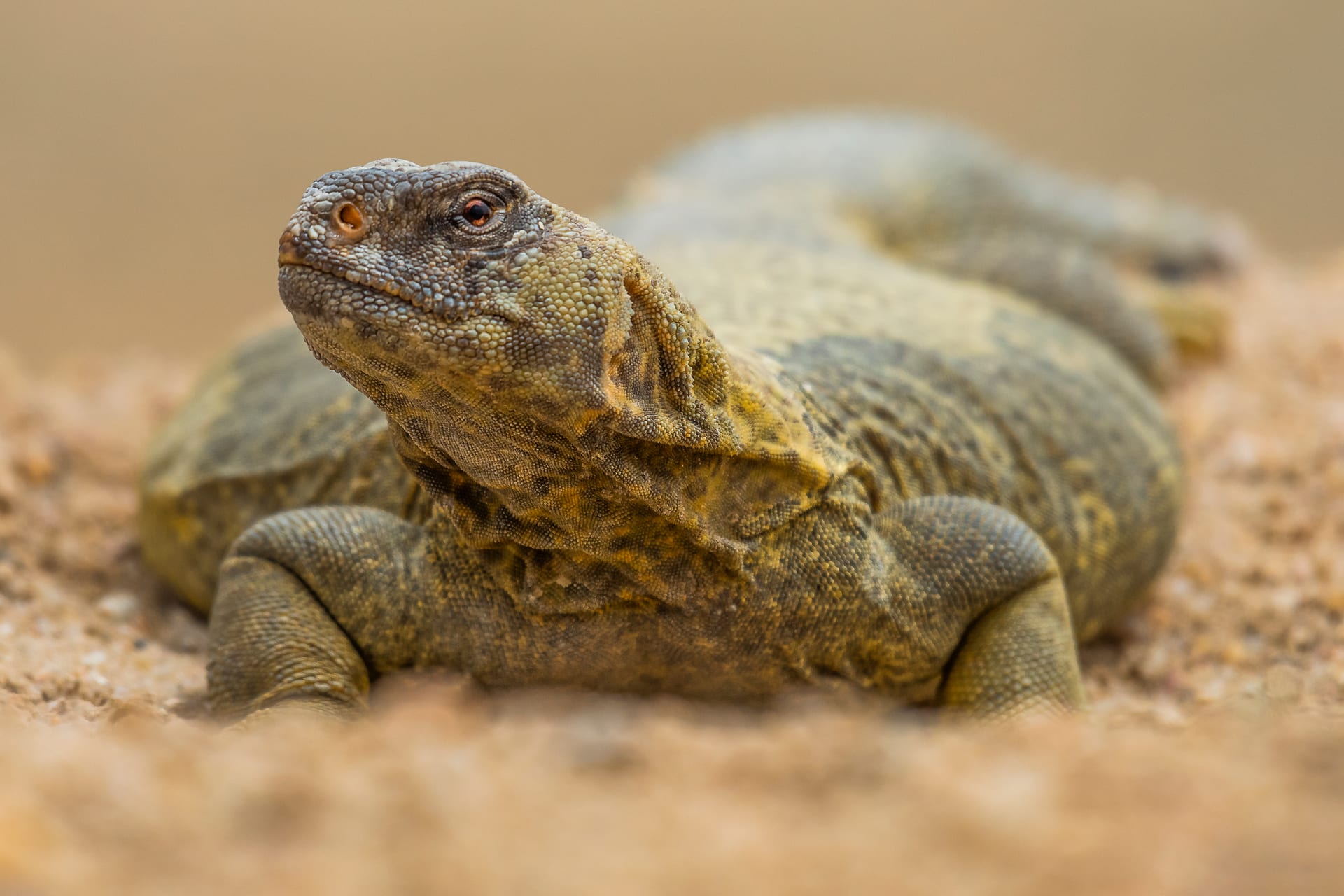
 © Aboyahia74 / CC BY-SA 4.0
Egyptian Uromastyx
The Egyptian Uromastyx is an impressive, large-bodied lizard and the largest species in the Uromastyx genus, reaching up to 75 cm in total length. Its grayish-brown body carries yellow spots as a juvenile, which gradually fade as the animal matures. A diurnal, ground-dwelling lizard, it digs long burrows to shelter from extreme heat and cold. Despite its imposing size, it tends to have a calm temperament and can become quite tame with regular, gentle handling. Given proper care, it can live 25 years or more, making it a long-term companion for keepers ready for a lasting commitment. Because of its size and specific temperature needs, it is generally considered a species better suited to intermediate keepers.
View Egyptian Uromastyx encyclopedia →0% commission on your first sales!Register by September 30, 2026 and your first 2 sales are commission-free!
Breeder Wanted!
List on BreederDirect and sell directly to customers nationwide!
6 Transparency Promises from Br-Choku
Every Reptiles & Amphibians from verified Breeder breeders includes complete information: morph, genetics, feeding requirements, and temperament details.
- Morph Information
- Actual Photos
- Feeding Information
- Temperament Information
- Genetics Information
- Age (Months)
Browse all 280 breeds
Difficulty Level
Feeding Type
Temperament
Verified breeders wanted for Reptiles & Amphibians
Breeders are signing up now ahead of launch. Subscribe to be notified when new listings go live.
Getting alerts is free with a member account. When new listings match your saved search, we'll notify you by email and in-app.
Browse other categories
Verified breeders (preview)
Are you raising reptiles & amphibians?
Register as a breeder and connect with buyers directly.
Apply as a breederEgyptian Uromastyx key facts
- Care level
- Intermediate
- Lifespan
- Over 25 years under good care; the maximum recorded longevity in captivity is 15 years
- Size
- Total length up to 75cm; U. a. leptieni reaches 51cm
- Temperature
- Humidity
- 20〜30%
- Diet
- Leafy greens, wild plants such as dandelion and clover, birdseed and prepared herbivorous-lizard diets
- Temperature & Humidity
- The basking surface must be very hot, 49-55 C, with the cool side around 29 C. Because the heat source is localised, use an enclosure large enough that the whole cage does not overheat. Its UV requirement is high, so fit a strong UVB lamp, and let the temperature fall a little at night.
- Enclosure
- Keep humidity very low, at 20-30 per cent. Because this is the biggest species in the genus, an exceptionally large enclosure is needed so that a localised hot spot does not overheat the whole cage. Use reptile sand or akadama soil, either deep enough to burrow into or with hides of rock and brick.
- Diet & Feeding
- Herbivorous: build the diet on leafy greens such as komatsuna and on wild plants like dandelion and clover. Birdseed, prepared tortoise or herbivorous-lizard diets and vegetables such as carrot and squash can be added. It need not be fed every day.
- Temperament
- A threatened animal lashes its tail, hisses with a rasping call and bolts for a burrow. Captive animals also swing the tail when touched, and the spines hurt. Many adults spend most of the day resting.
- Notes
- The genus Uromastyx has been on CITES Appendix II since 4 February 1977. Appendix II species need no individual registration certificate in Japan, and the lizard is neither a designated dangerous animal nor an invasive alien species. It is eaten within its range, where the meat of the thick tail is especially prized.
About Egyptian Uromastyx
The largest Uromastyx species, reaching 75 cm in length. This diurnal, burrowing lizard has grayish-brown coloring and can live 25+ years with proper care.
7 things to know before welcoming a Egyptian Uromastyx
1Needs a Large Enclosure
As the largest Uromastyx species, adults can reach 75 cm in length, so you'll need to plan for a spacious enclosure from the start. Provide deep enough substrate for digging and plenty of open floor space for movement.
2Basking and Temperature Gradient
As a diurnal, sun-loving lizard, it needs a clear temperature gradient with a dedicated basking spot and a cooler zone. UVB lighting is also essential for its long-term health.
3Natural Burrowing Instinct
In the wild, this species digs long burrows to escape extreme heat and cold. Providing substrate deep enough to burrow into lets it express this natural behavior and helps it settle in.
4Color Changes With Age
Juveniles show yellow spots that gradually fade as they mature into the adult grayish-brown coloring. Watching this color transition is one of the rewarding parts of raising one from a young age.
5Generally Calm Temperament
Despite its imposing size, this species tends to have a relatively calm disposition and can become tame with consistent, gentle handling. Individual personalities vary, so it's best to build trust gradually rather than handling a new arrival right away.
6Mostly Plant-Based Diet
Its diet is centered on vegetables and leafy greens rather than insects. Pay attention to calcium supplementation and variety to keep the diet nutritionally balanced.
7A Long-Term Commitment
With proper care, this species can live 25 years or more. Before bringing one home, consider whether you can provide a suitable environment and care routine for the long haul, including changes in your living situation over time.
Frequently asked questions about Egyptian Uromastyx
- Q.How big does an Egyptian Uromastyx get?
- A.It's considered the largest species in the Uromastyx genus, with adults reaching up to 75 cm in total length. The leptieni subspecies is somewhat smaller, topping out around 51 cm.
- Q.How long do Egyptian Uromastyx live?
- A.With proper care, this species can live 25 years or more. For reference, the longest recorded captive lifespan reported is 15 years.
- Q.Is this species suitable for beginners?
- A.It requires careful temperature and UVB management along with a spacious enclosure, so it's generally considered better suited to intermediate keepers. It's a good idea to gain some reptile-keeping experience before taking one on.
- Q.Does its appearance change as it grows?
- A.Juveniles display yellow spots that gradually fade with age, and adults settle into a grayish-brown coloration. This transformation happens gradually over the course of its growth.
- Q.Are there any legal regulations to know about?
- A.Egyptian Uromastyx is listed in CITES Appendix II. International trade requires a permit from the exporting country, but as far as CITES is concerned, no registration is needed to buy or sell individuals already legally in Japan.
Useful tools for Egyptian Uromastyx care
Learn more about Egyptian Uromastyx in the encyclopedia
View Egyptian Uromastyx encyclopedia entry →
Care difficulty, lifespan, size and diet — all basics covered.
More in this category
Can't find the one you're looking for?
Post your wishes for free and breeders with matching animals will contact you with introductions.