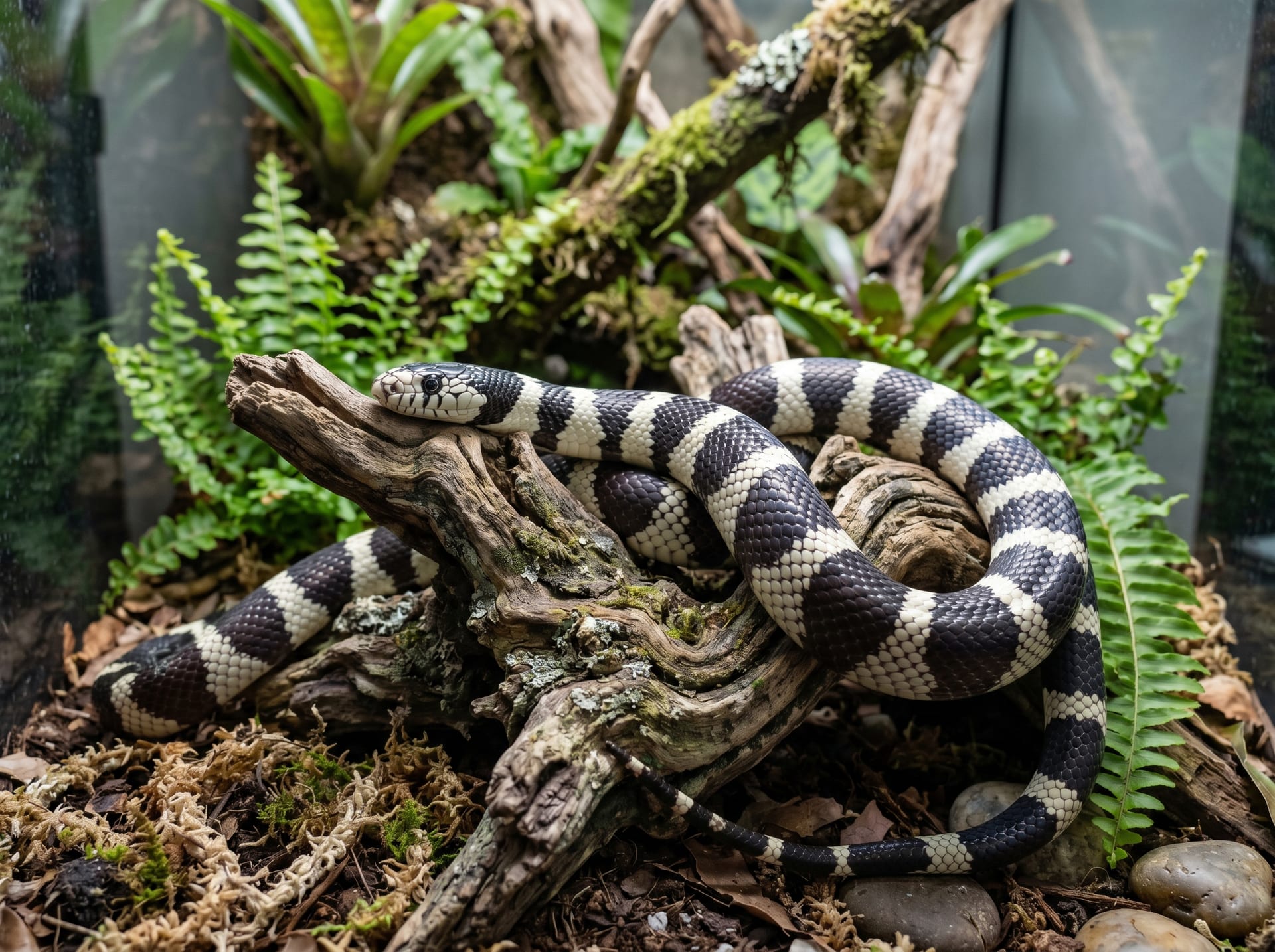
King Snake
Named King for preying on other snakes. California Kingsnake is the most common. Hardy and easy to keep.
View King Snake encyclopedia →0% commission on your first sales!Register by September 30, 2026 and your first 2 sales are commission-free!
Breeder Wanted!
List on BreederDirect and sell directly to customers nationwide!
6 Transparency Promises from Br-Choku
Every Reptiles & Amphibians from verified Breeder breeders includes complete information: morph, genetics, feeding requirements, and temperament details.
- Morph Information
- Actual Photos
- Feeding Information
- Temperament Information
- Genetics Information
- Age (Months)
Browse all 34 breeds
Difficulty Level
Feeding Type
Temperament
Verified breeders wanted for Reptiles & Amphibians
Breeders are signing up now ahead of launch. Subscribe to be notified when new listings go live.
Getting alerts is free with a member account. When new listings match your saved search, we'll notify you by email and in-app.
Browse other categories
Verified breeders (preview)
Are you raising reptiles & amphibians?
Register as a breeder and connect with buyers directly.
Apply as a breederKing Snake key facts
- Care level
- Beginner-friendly
- Lifespan
- 15-20 years
- Size
- 90-150cm
- Temperature
- 24〜30℃
- Humidity
- 40〜60%
- Diet
- Frozen mice
- Temperature
- 24-30°C (hot spot 32°C)
- Temperature & Humidity
- Aim for 40-60% humidity. Keep a water bowl available at all times and raise humidity slightly before shedding for a clean shed.
- Enclosure
- 60cm+. Simple layout is fine
- Feeding
- Weekly, appropriately sized mouse
- Health & Cautions
- Because it eats other snakes, always house it alone. It is also an escape artist, so close lids and locks securely.
About King Snake
The Kingsnake is a mid-sized colubrid native to North and Central America, its name derived from its remarkable habit of preying on other snakes—including venomous rattlesnakes—thanks to a natural immunity to pit viper venom. The California Kingsnake is the most widely kept subspecies, recognized by its bold black-and-white banding and available in numerous captive-bred color morphs such as albino, lavender, and high-white. Adults reach a manageable 90–150 cm and are known for their robust constitution and reliable acceptance of frozen-thawed prey. Most individuals tame down with consistent handling, making them an appealing choice for keepers who want an interactive snake. With a lifespan of 15–20 years in proper conditions, the Kingsnake is a long-term commitment that rewards attentive husbandry with a hardy, charismatic companion.
7 things to know before welcoming a King Snake
1Enclosure Size Matters
Adult King Snakes reach 90–150 cm, so a enclosure of at least 90 cm in length is recommended for adults. They are skilled escape artists, so a secure lid with reliable latches is essential. A reptile-specific enclosure that balances ventilation and heat retention works best.
2Temperature Gradient Is Key
Maintain a temperature gradient with a warm side of 28–32°C and a cool side of 22–25°C. Combining a heat mat with an infrared lamp makes temperature management easier. Avoid significant temperature drops at night, as this can lead to digestive and health issues.
3Never House with Other Snakes
King Snakes are constrictors that naturally prey on other snakes in the wild. Housing them with other snakes—even of the same species—poses a serious risk of predation. Always keep King Snakes in separate enclosures.
4Feed Frozen-Thawed Mice
Feeding frozen-thawed mice is the safest and most hygienic approach. Choose pinky mice for juveniles and appropriately sized hoppers or adult mice for adults. Feed juveniles once or twice a week, and adults every one to two weeks.
5Avoid Handling Before Shedding
Cloudy eyes and a dull body color are signs that a shed is approaching. During this period, their vision is impaired and stress levels rise, so minimize handling. Raising humidity to around 60–70% helps ensure a clean, complete shed.
6Calm Once Accustomed to You
Juveniles may bite initially, but regular gentle handling helps them become accustomed to human interaction. Avoid sudden grabs or loud noises, and take a slow, patient approach to building trust. Adult King Snakes tend to be noticeably calmer and easier to handle.
7Initial and Ongoing Costs
Initial setup costs for an enclosure, heating equipment, thermometer, and hides typically range from 20,000 to 40,000 yen. Ongoing monthly costs including frozen mice and electricity run roughly 2,000–4,000 yen, making King Snakes a relatively affordable reptile to keep. It is advisable to locate a reptile-experienced veterinarian in your area before bringing your snake home.
Frequently asked questions about King Snake
- Q.Are Kingsnakes or Corn Snakes better for beginners?
- A.Both are excellent beginner snakes, but Kingsnakes must be housed alone due to their ophiophagous nature. If you plan to keep multiple snakes, Corn Snakes are easier to manage. In terms of hardiness and handleability, the two species are broadly comparable.
- Q.Do Kingsnakes bite, and does it hurt?
- A.Juvenile or unsettled individuals may bite defensively. Kingsnakes are non-venomous, and a bite typically leaves small scratches that heal quickly with basic first aid. Consistent, calm handling significantly reduces biting behavior over time.
- Q.Do Kingsnakes need UVB lighting?
- A.UVB lighting is not considered essential for Kingsnakes, as they are largely crepuscular to nocturnal in nature. A basic 12-hour light cycle using a low-output bulb is still recommended to maintain a natural day-night rhythm. Vitamin D3 needs are met through properly supplemented frozen prey.
- Q.How often can I handle my Kingsnake?
- A.A well-acclimated Kingsnake can typically be handled 3–5 times per week for 10–20 minutes per session. Avoid handling for 24 hours after feeding and during the pre-shed period when eyes turn opaque. Always read the snake's body language and keep sessions stress-free.
- Q.What should I do if my Kingsnake refuses food?
- A.Temporary food refusal is common during pre-shed periods, the breeding season, or seasonal temperature changes. First check that temperature gradients, humidity, and hides are appropriate to rule out environmental stress. If refusal persists beyond 2–3 weeks or significant weight loss occurs, consult a reptile-experienced veterinarian.
Useful tools for King Snake care
Learn more about King Snake in the encyclopedia
View King Snake encyclopedia entry →
Care difficulty, lifespan, size and diet — all basics covered.
More in this category
Can't find the one you're looking for?
Post your wishes for free and breeders with matching animals will contact you with introductions.