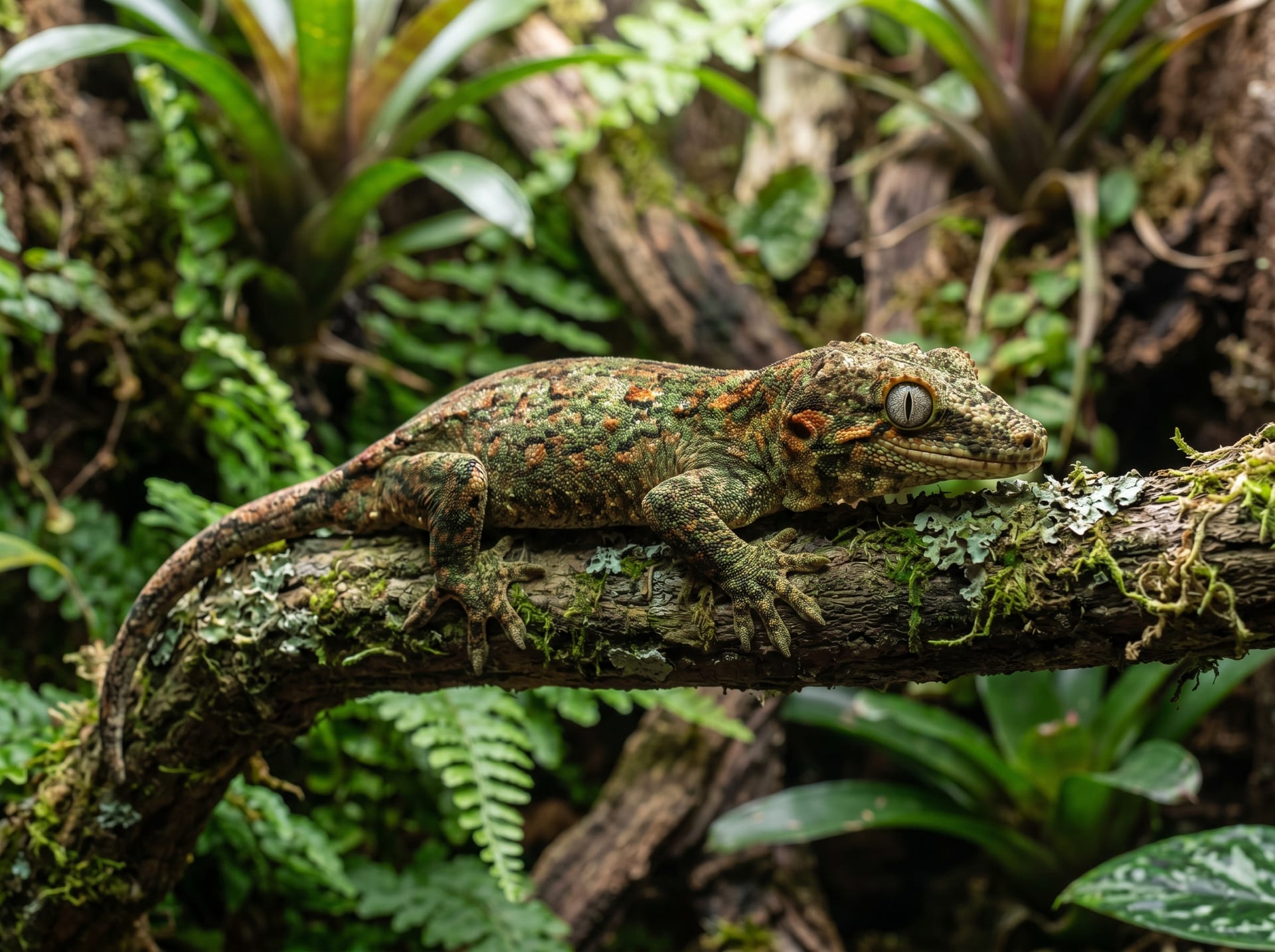
Gargoyle Gecko
Popular arboreal gecko after crested geckos. Distinctive head bumps. Can be fed commercial diet and can regenerate tails.
View Gargoyle Gecko encyclopedia →0% commission on your first sales!Register by September 30, 2026 and your first 2 sales are commission-free!
Breeder Wanted!
List on BreederDirect and sell directly to customers nationwide!
6 Transparency Promises from Br-Choku
Every Reptiles & Amphibians from verified Breeder breeders includes complete information: morph, genetics, feeding requirements, and temperament details.
- Morph Information
- Actual Photos
- Feeding Information
- Temperament Information
- Genetics Information
- Age (Months)
Browse all 34 breeds
Difficulty Level
Feeding Type
Temperament
Verified breeders wanted for Reptiles & Amphibians
Breeders are signing up now ahead of launch. Subscribe to be notified when new listings go live.
Getting alerts is free with a member account. When new listings match your saved search, we'll notify you by email and in-app.
Browse other categories
Verified breeders (preview)
Are you raising reptiles & amphibians?
Register as a breeder and connect with buyers directly.
Apply as a breederGargoyle Gecko key facts
- Care level
- Beginner-friendly
- Lifespan
- 15-20 years
- Size
- 17-22cm
- Temperature
- 22〜27℃
- Humidity
- 60〜80%
- Diet
- Commercial gecko diet (Repashy) + insects
- Temperature
- 22-27°C
- Humidity
- 60-80%
- Enclosure
- Tall vertical enclosure
- Feeding
- Mainly commercial diet, insects twice weekly
- Notes
- Aggressive toward conspecifics — keep singly
About Gargoyle Gecko
The gargoyle gecko (Rhacodactylus auriculatus) is a tree-dwelling gecko endemic to the main island of New Caledonia in the South Pacific. Its name comes from the distinctive horn-like projections on its head, which evoke the stone gargoyle figures of European architecture — a look that sets it apart from most other geckos. Adults typically reach 18–22 cm in length, and a wide range of color morphs are available in the hobby, including browns, grays, oranges, and whites with varied patterning. In temperament, gargoyle geckos can be slightly more skittish than crested geckos, but individuals tamed from a young age tend to become calm and handleable adults. The greatest appeal for keepers is the ability to maintain them entirely on prepared powdered diets, removing the need to keep feeder insects. With a lifespan of 15–20 years under proper care, gargoyle geckos are a long-term companion that reptile enthusiasts cherish for life.
7 things to know before welcoming a Gargoyle Gecko
1Height Matters in Housing
As an arboreal species, Gargoyle Geckos need a tall enclosure rather than a wide one. Aim for at least 45 cm in height for adults, and add plenty of branches and driftwood for vertical movement. Coconut fiber or sphagnum moss works well as substrate to retain moisture.
2Prefer Cooler Temperatures
The ideal temperature range is 22–26°C, and temperatures above 30°C can cause heat stress. Air conditioning may be necessary during summer months, especially in warmer climates. Prioritize ambient room temperature control over supplemental heating.
3Thrives on Commercial Diets
Powdered crested gecko diet mixed with water provides complete nutrition, eliminating the need for live feeders as a staple. Supplementing with insects like crickets occasionally adds dietary variety. Replace prepared food every 24–48 hours to prevent spoilage.
4Tail Drop and Regeneration
Gargoyle Geckos can drop their tail when stressed or startled. The regenerated tail differs in texture and shape from the original, but this does not affect their health. Minimize stress by handling gently and avoiding sudden movements to reduce the risk of tail drops.
5Best Kept Individually
Adult males are highly territorial and will fight if housed together, so individual housing is the standard recommendation. Mixed-sex pairs should only be kept together for breeding purposes, as constant cohabitation stresses the female. If keeping multiples, ensure ample space and hiding spots.
6Humidity: 60–80%
Maintaining humidity between 60–80% is essential to prevent incomplete sheds. Misting the enclosure once or twice daily also provides drinking water. Be careful not to let it become overly soggy — choose an enclosure with adequate ventilation to avoid respiratory issues.
7Price Varies by Morph
Gargoyle Geckos come in a wide range of color morphs, with prices starting around 10,000–30,000 yen for standard individuals and reaching much higher for rare or high-expression morphs. Research the specific morph traits before purchasing to find an individual that matches both your budget and preferences.
Frequently asked questions about Gargoyle Gecko
- Q.How does it differ from a crested gecko?
- A.Gargoyle geckos have a stockier build and distinctive horn-like head projections that crested geckos lack. They can also regenerate a dropped tail, which crested geckos cannot. Both species thrive on prepared diets and are similarly beginner-friendly in terms of care difficulty.
- Q.Can gargoyle geckos be handled?
- A.Tame individuals generally tolerate handling well, though the time needed to acclimate varies between animals. Starting with brief, regular handling sessions from a young age helps most geckos become calm and comfortable with human contact. Patience and a gentle approach are key to building trust.
- Q.Are they nocturnal? Is lighting needed?
- A.Gargoyle geckos are nocturnal and tend to rest in hides during the day. UVB lighting is not strictly required, but providing a gentle light on a 12-hour cycle helps establish a natural day-night rhythm in the enclosure. Calcium supplementation through dusting or gut-loading feeders compensates for the lack of UV exposure.
- Q.How long do they live?
- A.Under proper care, gargoyle geckos commonly live 15–20 years, making them a long-term commitment. It's important to plan for their lifetime needs before acquiring one. Captive individuals generally outlive their wild counterparts due to consistent food, safety, and healthcare.
- Q.Does morph affect temperament?
- A.Color and pattern morphs do not directly influence temperament. Personality differences between individuals are more strongly shaped by how they were raised and how consistently they have been handled. Choose a morph based on your aesthetic preference, and assess personality by observing the individual gecko directly.
Useful tools for Gargoyle Gecko care
Learn more about Gargoyle Gecko in the encyclopedia
View Gargoyle Gecko encyclopedia entry →
Care difficulty, lifespan, size and diet — all basics covered.
Gargoyle Gecko related articles
Gecko Species Comparison Guide: Characteristics and Care Difficulty from Beginner to Advanced Species
Compare characteristics, care difficulty, and required equipment for popular gecko species such as Leopard Geckos, Crested Geckos, and Gargoyle Geckos. We also explain native species like the Japanese House Gecko and clarify the differences between geckos, newts, leopard geckos, and the term "gecko."
Gargoyle Gecko Care Guide | Differences from Crested Geckos and Care Tips
Explains Gargoyle Gecko care methods. Introduces differences from Crested Geckos, temperature and humidity management, fruit food selection, and handling tips.
More in this category
Can't find the one you're looking for?
Post your wishes for free and breeders with matching animals will contact you with introductions.