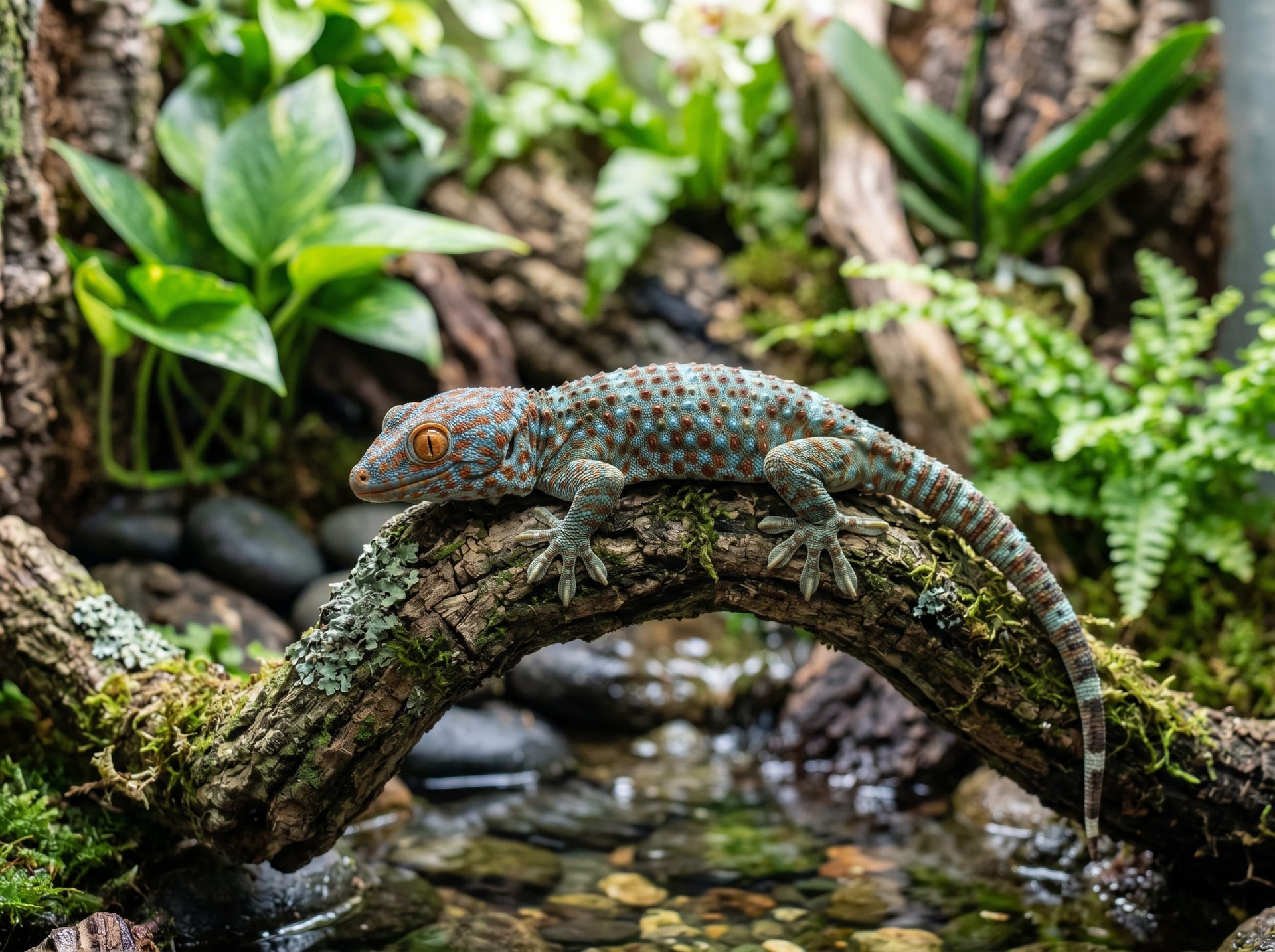
Tokay Gecko
Largest gecko in Southeast Asia. Beautiful blue body with red spots, but notorious for aggressive biting. Distinctive call.
View Tokay Gecko encyclopedia →0% commission on your first sales!Register by September 30, 2026 and your first 2 sales are commission-free!
Breeder Wanted!
List on BreederDirect and sell directly to customers nationwide!
6 Transparency Promises from Br-Choku
Every Reptiles & Amphibians from verified Breeder breeders includes complete information: morph, genetics, feeding requirements, and temperament details.
- Morph Information
- Actual Photos
- Feeding Information
- Temperament Information
- Genetics Information
- Age (Months)
Browse all 34 breeds
Difficulty Level
Feeding Type
Temperament
Verified breeders wanted for Reptiles & Amphibians
Breeders are signing up now ahead of launch. Subscribe to be notified when new listings go live.
Getting alerts is free with a member account. When new listings match your saved search, we'll notify you by email and in-app.
Browse other categories
Verified breeders (preview)
Are you raising reptiles & amphibians?
Register as a breeder and connect with buyers directly.
Apply as a breederTokay Gecko key facts
- Care level
- Intermediate
- Lifespan
- 10-15 years
- Size
- 25-35cm
- Diet
- Insects (crickets, dubia roaches)
- Temperature
- 26-32°C
- Humidity
- 60-80%
- Enclosure
- Tall vertical enclosure
- Temperament
- Bites hard — handling not recommended
- Notes
- Nocturnal with loud vocalizations
About Tokay Gecko
The Tokay Gecko (Gekko gecko) is widely distributed across Southeast and South Asia, and has long been a familiar sight on the walls of homes throughout the region. It gained popularity in Japan during the reptile boom of the 1990s, and captive-bred color morphs are now increasingly available. The species is unmistakable: a blue-gray body covered in vivid red-orange spots, with adults reaching 30–40 cm in total length, making it one of the world's largest gecko species. Its specialized toepads allow it to move effortlessly across vertical glass, a sight that never loses its appeal. Tokay Geckos are territorial and highly defensive, and biting is a genuine risk—especially with newly acquired individuals—so they are best suited as display animals rather than hands-on pets. Their booming "to-kay" call, often heard at night, adds a wild, exotic dimension to keeping them. With proper temperature and humidity management, they can live well over a decade in captivity, rewarding dedicated keepers with their bold presence and remarkable durability.
7 things to know before welcoming a Tokay Gecko
1Powerful Bite to Respect
Tokay Geckos have a strong defensive instinct and may bite aggressively when approached. Their bite is powerful enough to draw blood, so thick gloves are recommended for any handling. Minimize contact until the animal becomes more accustomed to its enclosure and keeper.
2Vertical Enclosure Required
As an arboreal species, Tokay Geckos need a tall, vertically oriented enclosure — at minimum 60 cm in height. Furnishing it with cork bark, driftwood, and artificial plants creates a dynamic environment and encourages natural climbing behavior. Plan for adult size from the start to avoid frequent upgrades.
3Temperature and Humidity Care
Daytime temperatures should range from 25–30°C, with a basking spot around 32°C and nighttime drops to 20–25°C. Maintain humidity between 60–80%, achieved through daily misting once or twice a day, which also supports healthy shedding. Use a reliable thermometer and hygrometer to monitor conditions consistently.
4Live Feeders as Staple Diet
The staple diet consists of live insects such as crickets and dubia roaches, sized no wider than the gecko's head. Feed two to three times per week and dust feeders with calcium powder to support proper bone development. Occasional pinky mice can supplement protein intake.
5Prepare for Loud Vocalizations
The Tokay Gecko is one of the loudest reptiles kept in captivity, producing a distinctive "to-kay" call audible from tens of meters away. Being nocturnal, they vocalize most actively at night. Those living in apartments or thin-walled homes should consider the potential impact on neighbors before acquiring one.
6House Individually
Tokay Geckos are highly territorial and will fight aggressively when housed together, particularly males. Keep individuals in separate enclosures as a rule. Even breeding pairs should only be introduced under supervision and separated immediately after to prevent injury.
7Taming Takes Time and Patience
Due to their wild nature, newly acquired Tokay Geckos frequently hiss, flee, and bite. Patient, consistent presence near the enclosure at the same time each day helps the gecko gradually acclimate to its keeper. Full tolerance of handling is rare and may take months to years — accept that some individuals may never become fully tame.
Frequently asked questions about Tokay Gecko
- Q.Can Tokay Geckos really become tame?
- A.Some individuals do become more tolerant over time with patient, consistent handling, but true tameness is rare compared to other pet lizards. Even a well-settled Tokay Gecko is more likely tolerating contact than enjoying it. Many keepers find the most rewarding approach is to enjoy them primarily as display animals.
- Q.How loud is the Tokay Gecko's call?
- A.The "to-kay" call is surprisingly loud and can carry several dozen meters, which can be startling when it happens at night. Keepers in apartments should consider neighbors and may want to explore sound-dampening measures for the enclosure. Calling frequency varies by individual and season.
- Q.Should Tokay Geckos be kept alone?
- A.Single-specimen housing is strongly recommended. Males in particular will fight aggressively, often resulting in serious injury. Even for breeding pairs, it is safest to house them separately and only introduce them briefly for mating, separating them again afterward.
- Q.What is the typical lifespan?
- A.With proper care, Tokay Geckos commonly live 10–15 years, placing them among the longer-lived pet geckos. This means committing to over a decade of care, so prospective owners should carefully consider their long-term ability to provide suitable housing and feeding before acquiring one.
- Q.Are Tokay Geckos really prone to escaping?
- A.Yes—their ability to climb any surface, including ceilings, means even small gaps in the enclosure are escape routes. Always use a lid with a secure locking mechanism, and seal any cord openings or small gaps. A missing Tokay Gecko is difficult to locate, so prevention is far easier than recapture.
Useful tools for Tokay Gecko care
Learn more about Tokay Gecko in the encyclopedia
View Tokay Gecko encyclopedia entry →
Care difficulty, lifespan, size and diet — all basics covered.
Tokay Gecko related articles
See more Tokay Gecko articles →More in this category
Can't find the one you're looking for?
Post your wishes for free and breeders with matching animals will contact you with introductions.