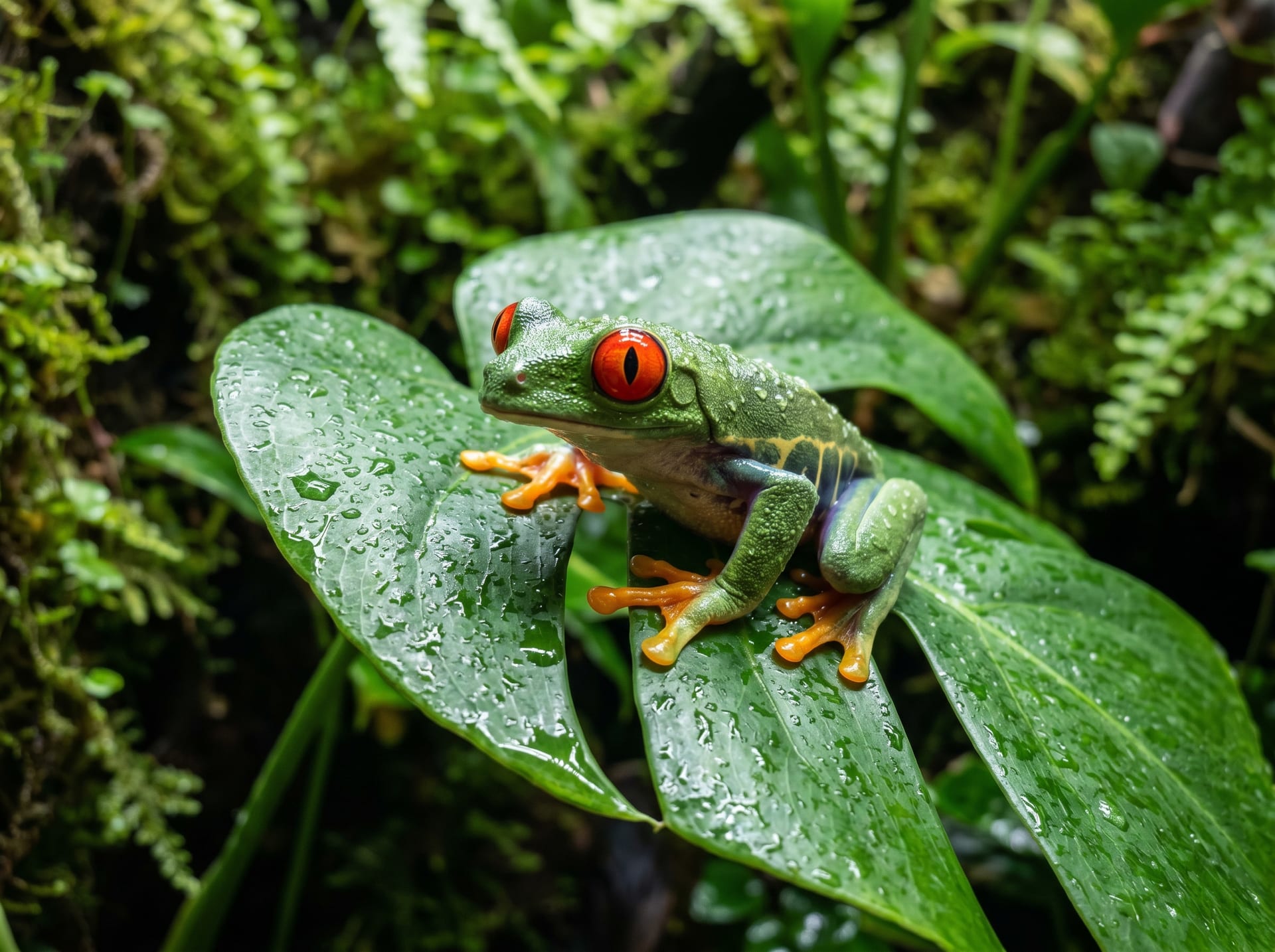
Amphibian (Frog / Salamander)
Frogs and salamanders are amphibians prized for their unique biology and striking diversity, making them popular as "display pets" enjoyed through observation rather than handling. Temperature and humidity control are critical, and habitat requirements vary greatly by species, so researching your chosen species thoroughly before purchase is essential. Minimal handling is generally recommended, and the joy of amphibian keeping lies in observing their natural behaviors.
0% commission on your first sales!Register by September 30, 2026 and your first 2 sales are commission-free!
Breeder Wanted!
List on BreederDirect and sell directly to customers nationwide!
6 Transparency Promises from Br-Choku
Every Reptiles & Amphibians from verified Breeder breeders includes complete information: morph, genetics, feeding requirements, and temperament details.
- Morph Information
- Actual Photos
- Feeding Information
- Temperament Information
- Genetics Information
- Age (Months)
Browse all 34 breeds
Difficulty Level
Feeding Type
Temperament
Verified breeders wanted for Reptiles & Amphibians
Breeders are signing up now ahead of launch. Subscribe to be notified when new listings go live.
Getting alerts is free with a member account. When new listings match your saved search, we'll notify you by email and in-app.
Browse other categories
Verified breeders (preview)
Are you raising reptiles & amphibians?
Register as a breeder and connect with buyers directly.
Apply as a breederAbout Amphibian (Frog / Salamander)
Amphibians are among the oldest terrestrial vertebrates on Earth, having evolved from fish approximately 360 million years ago. Frogs alone comprise over 7,000 species worldwide, offering extraordinary visual diversity—from the jewel-like tree frogs to the boldly patterned Pacman frog. Salamanders and newts captivate keepers with their sleek, primitive elegance. Because all amphibians breathe partly through their skin, maintaining the right balance of temperature, humidity, and water quality is the cornerstone of their care. Unlike many pets, amphibians are best appreciated through observation rather than interaction, and a growing community of enthusiasts finds deep satisfaction in crafting detailed terrariums and watching their animals move quietly through a carefully designed habitat.
7 things to know before welcoming a Amphibian (Frog / Salamander)
1Species Selection Matters
Temperature, humidity, and dietary needs vary dramatically between frog and salamander species. Beginners are better suited to well-documented species like horned frogs or fire salamanders. Always confirm the adult size and lifespan before purchasing, as some species live 10–20 years.
2Semi-Aquatic Enclosures
Many amphibians require a semi-aquatic setup with both water and land areas. Some species are fully aquatic (e.g., larval salamanders) while others are primarily terrestrial, so enclosure design must match the species' natural habitat. Appropriate substrate, live plants, and hiding spots help reduce stress.
3Temperature & Humidity Control
As ectotherms, amphibians are highly sensitive to temperature fluctuations, which can impair digestion and immune function. Many species are intolerant of heat, requiring active cooling in summer months. Use multiple digital thermometers and hygrometers to monitor conditions consistently.
4Permeable Skin Sensitivity
Amphibian skin is highly permeable, absorbing moisture, toxins, and chemicals directly. Tap water must always be dechlorinated, and even residue from sunscreen or soap on hands can be harmful. Always rinse hands with clean water before handling, and keep contact brief.
5Live Prey as Staple Diet
Most frogs and salamanders require live prey such as crickets, dubia roaches, or mealworms as their primary diet. Dusting prey with calcium and vitamin supplements is essential for long-term health. Feeding frequency varies by species and age — juveniles typically eat daily, while adults are fed every 2–3 days.
6Recognizing Health Issues
Common health concerns include chytridiomycosis (fungal disease), red leg syndrome (bacterial infection), and Cryptosporidium. Loss of appetite, skin discoloration, and lethargy are warning signs requiring prompt attention. Locate an exotic/reptile veterinarian experienced with amphibians before you need one.
7Setup & Ongoing Costs
Initial setup costs for enclosure, lighting, temperature/humidity equipment, and filtration typically range from 20,000–50,000 yen. Monthly maintenance including live prey, supplements, and electricity commonly runs 3,000–8,000 yen. Rare or imported specimens can cost tens of thousands of yen, so plan your total budget carefully.
Frequently asked questions about Amphibian (Frog / Salamander)
- Q.Which is better for beginners—frogs or salamanders?
- A.Ease of care varies widely by species within both groups. Popular beginner choices include Pacman frogs (simple enclosure requirements) and Japanese fire-bellied newts (hardy native species). It is best to focus on one species, learn its specific needs thoroughly, and then acquire it.
- Q.Do amphibians need to be fed every day?
- A.Most amphibians do not need daily feeding; every two to three days is typical. Their digestion is slower than mammals, and overfeeding can cause obesity and digestive problems. Following species-specific feeding frequency and portion guidelines is essential for long-term health.
- Q.Is it safe to handle amphibians? Are skin toxins a concern?
- A.Most commonly kept pet species do not produce strong toxins, though highly venomous species such as poison dart frogs require extra caution. More importantly, oils and salts from human skin can harm the amphibian, so keep handling to a minimum and wash your hands thoroughly after any contact.
- Q.Is a heater required in winter? Can they hibernate?
- A.Tropical and subtropical species such as Pacman frogs and tree frogs are cold-sensitive and require temperatures above 20°C maintained by panel heaters or overhead heat mats. Native species like Japanese fire-bellied newts can hibernate, but managing hibernation in captivity carries health risks; beginners are generally advised to keep temperatures stable year-round.
- Q.Can different amphibian species be kept together?
- A.Mixing different amphibian species in one enclosure is generally not recommended. Temperature and humidity needs differ between species, larger individuals may prey on smaller ones, and skin secretions from one species can harm another. Even when keeping multiple individuals of the same species, sufficient space and compatible temperaments are essential.
Useful tools for Amphibian (Frog / Salamander) care
Amphibian (Frog / Salamander) related articles
See more Amphibian (Frog / Salamander) articles →More in this category
Can't find the one you're looking for?
Post your wishes for free and breeders with matching animals will contact you with introductions.