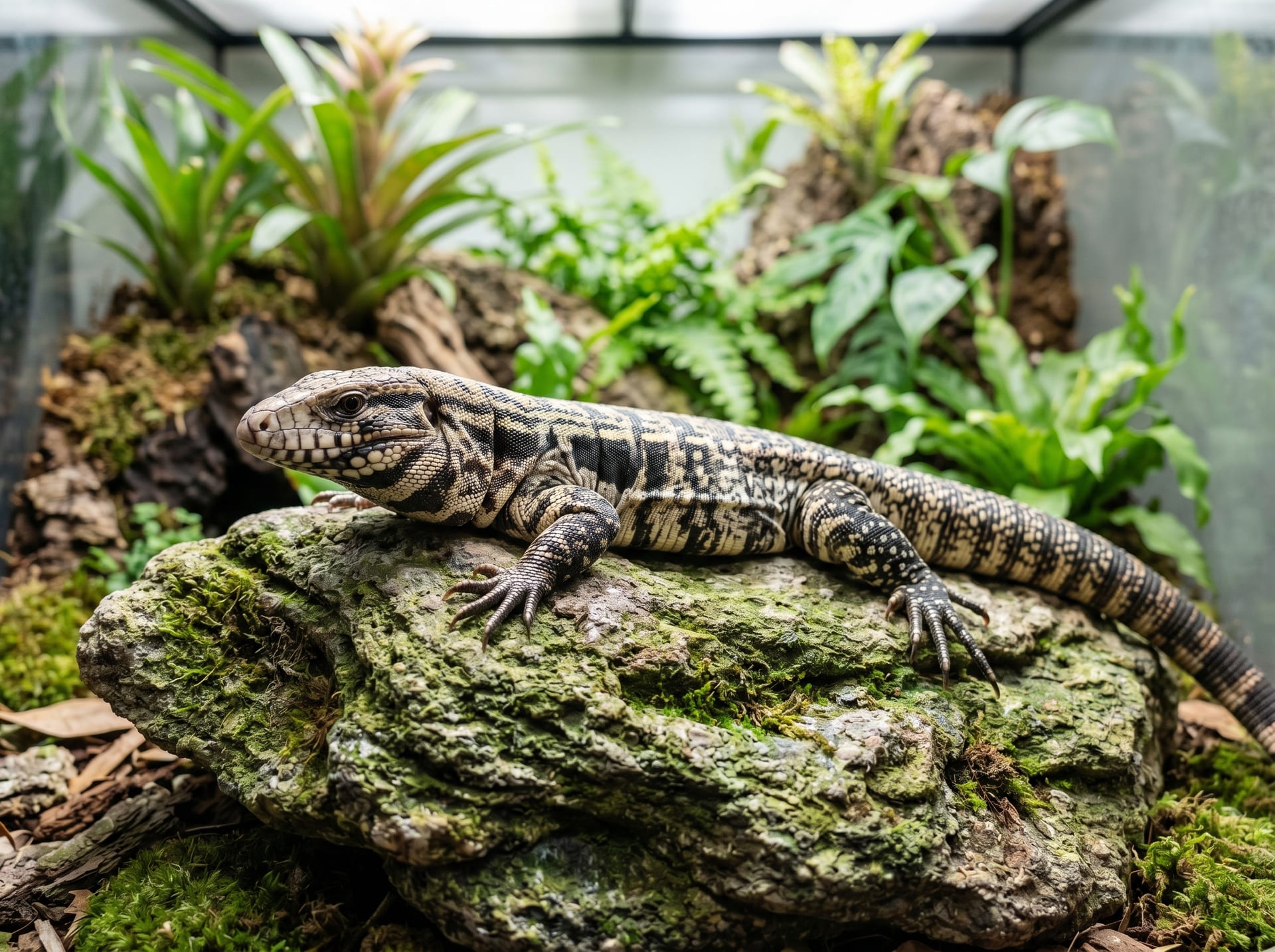
Tegu
Large lizard from South America. Highly intelligent and can bond like dogs. Omnivorous and adaptable but grows large.
View Tegu encyclopedia →0% commission on your first sales!Register by September 30, 2026 and your first 2 sales are commission-free!
Breeder Wanted!
List on BreederDirect and sell directly to customers nationwide!
6 Transparency Promises from Br-Choku
Every Reptiles & Amphibians from verified Breeder breeders includes complete information: morph, genetics, feeding requirements, and temperament details.
- Morph Information
- Actual Photos
- Feeding Information
- Temperament Information
- Genetics Information
- Age (Months)
Browse all 34 breeds
Difficulty Level
Feeding Type
Temperament
Verified breeders wanted for Reptiles & Amphibians
Breeders are signing up now ahead of launch. Subscribe to be notified when new listings go live.
Getting alerts is free with a member account. When new listings match your saved search, we'll notify you by email and in-app.
Browse other categories
Verified breeders (preview)
Are you raising reptiles & amphibians?
Register as a breeder and connect with buyers directly.
Apply as a breederTegu key facts
- Care level
- Advanced
- Lifespan
- 15-20 years
- Size
- 90-140cm
- Temperature
- 24〜35℃
- Humidity
- 60〜80%
- Diet
- Omnivore (fruits, insects, meat, eggs)
- Space
- Adults need 180cm+ cage or room-free
- Temperature
- 26-35°C (basking 40°C)
- Temperature & Humidity
- Manage at 24-35°C with 60-80% humidity. UVB lighting is beneficial, and an environment where it can bask is ideal.
- Diet & Feeding
- Omnivorous, eating insects, small animals, fruit, vegetables and eggs. Combine them in balance and watch for obesity from overfeeding.
- Notes
- Brumation in winter. Intelligent escape artists
- Health & Cautions
- Although it tames easily, it is very strong, so taming through handling from a young age is the key to safe keeping.
About Tegu
The tegu is a monitor-like lizard found across the vast grasslands and forests of South America, particularly in Argentina and Brazil. The Argentine black and white tegu (Salvator merianae), the most widely kept species, is prized for its striking bead-like black and white scales and commanding adult presence. What sets tegus apart from most reptiles is their remarkable intelligence: in captivity, many individuals recognize their owner's face and voice, and some reliably approach when called by name. Temperament varies between individuals, but with patient, consistent handling, tegus can become exceptionally docile companions known to relax in an owner's lap. Their broad omnivorous diet, easily met with accessible everyday ingredients, adds to their practicality as pets. That said, their large adult size, long lifespan of up to 20 years, and brumation habits demand serious preparation in terms of space and commitment. For those ready to meet these needs, a tegu offers a uniquely rewarding bond rarely found in the reptile world.
7 things to know before welcoming a Tegu
1Adults Exceed 1 Meter
Adult tegus grow to 90–140 cm and can weigh 5–8 kg. They grow rapidly from small juveniles, so plan for a large enclosure from the start rather than upgrading repeatedly. Providing adequate space from early on supports healthy development.
2Seasonal Brumation Occurs
Tegus undergo brumation — a reptile form of hibernation — for several months in autumn and winter. During this period, appetite drops significantly and activity slows, which is a normal physiological process, not illness. Maintaining appropriate temperatures and access to water during brumation is still essential.
3Large Enclosure and Heating
A minimum enclosure size of 180 cm × 90 cm is recommended for adults. Maintain a basking spot of 40–45°C and a cool side of 25–28°C to allow proper thermoregulation. UVB lighting is also necessary to support metabolism and overall health.
4Early Handling Is Essential
Regular, gentle handling from a young age helps tegus become calm and tolerant of human interaction. While adults can also be tamed with patience, starting early makes the process significantly easier. Always respect the animal's pace and avoid forced handling.
5Varied Omnivorous Diet
Tegus eat a varied diet including fruits, insects, chicken, eggs, and occasional mice. Juveniles need more protein, while adults benefit from a higher proportion of fruits and vegetables. Calcium supplementation is important to prevent metabolic bone disease.
6Needs Space to Roam
Tegus are active animals that benefit from supervised free-roaming time outside their enclosure in a safe, secured room. This helps reduce stress and maintain muscle tone. Be aware that they may chew on flooring or furniture, so supervision is always required.
7Plan for Long-Term Costs
With a lifespan of 15–20 years, tegus require a long-term financial commitment covering large enclosures, high-wattage lighting, varied food, and veterinary care. Monthly costs for food and electricity can be substantial. Confirm that a reptile-experienced veterinarian is available in your area before bringing one home.
Frequently asked questions about Tegu
- Q.Do tegus really bond with owners like dogs?
- A.Individual variation is significant, but tegus raised with consistent handling from a young age often recognize their owners and approach them voluntarily. It is best to appreciate this as reptile-level sociability rather than expecting canine-like emotional expression.
- Q.Can tegus be kept by people living alone?
- A.Solo ownership is feasible, but daily feeding, temperature management, and handling require a consistent routine, which can be demanding for those with irregular schedules. Arranging reliable care during extended travel or absences is also an important consideration.
- Q.How much does the initial setup cost?
- A.Setting up an enclosure sized for an adult tegu, including lighting, UVB lamp, thermostat, and substrate, typically costs around 50,000–150,000 yen in Japan. It is advisable to budget for both the animal's purchase price and full equipment costs before committing.
- Q.Is no care needed during brumation?
- A.Tegus should not be left completely unattended during brumation. Regular weight checks help detect abnormal weight loss, fresh water should always be available to prevent dehydration, and ambient temperature must be monitored to avoid dangerous drops.
- Q.What substrate is best for tegus?
- A.A mixture of topsoil and coconut fiber is widely recommended for its moisture retention and suitability for digging behavior. A substrate depth of approximately 20–30 cm allows tegus to burrow during brumation and engage in natural digging throughout the year.
Useful tools for Tegu care
Learn more about Tegu in the encyclopedia
View Tegu encyclopedia entry →
Care difficulty, lifespan, size and diet — all basics covered.
Tegu related articles
See more Tegu articles →More in this category
Can't find the one you're looking for?
Post your wishes for free and breeders with matching animals will contact you with introductions.