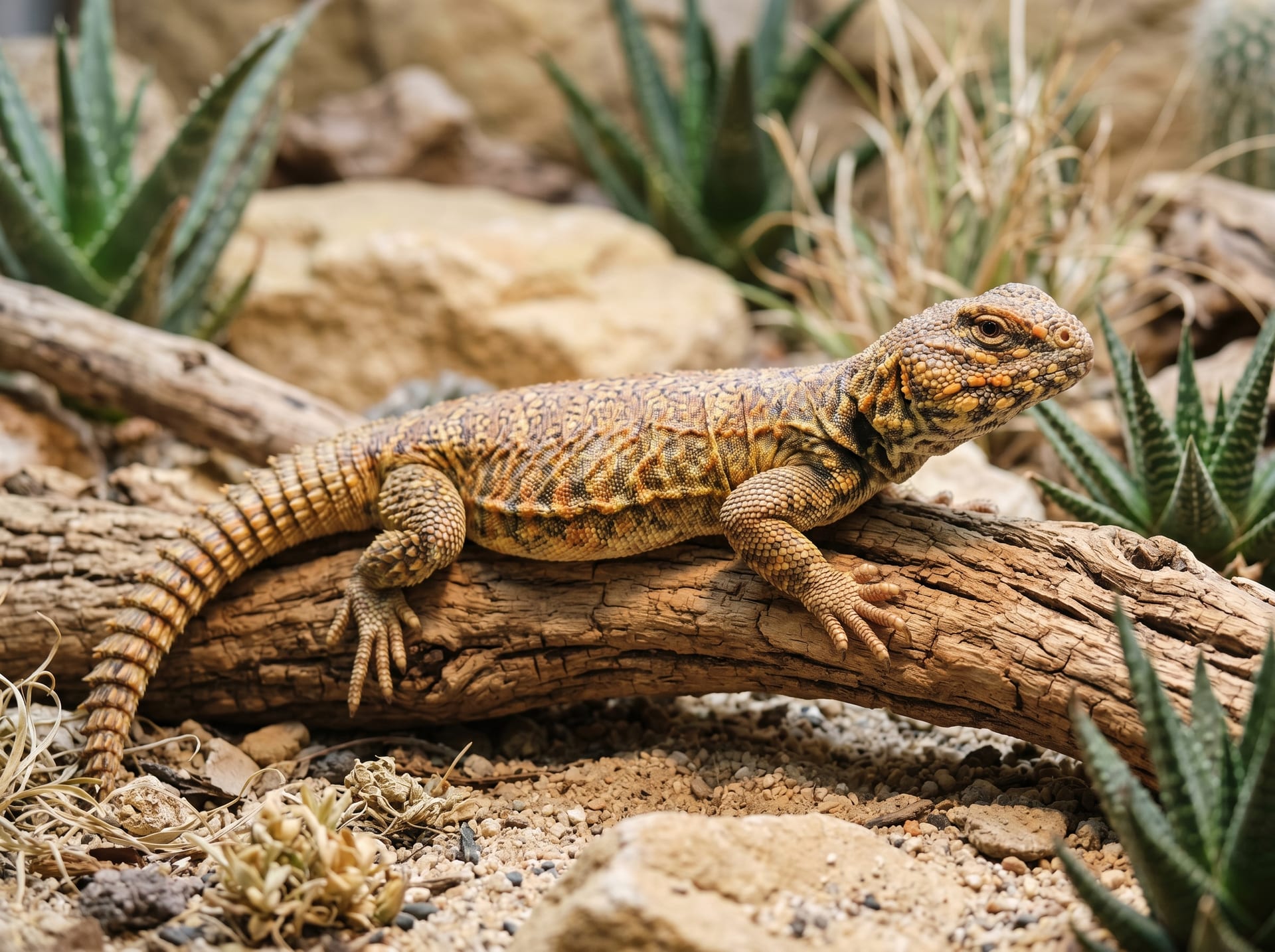
Desert lizard with spiny tail. Herbivorous and gentle. Prefers hot dry environment. Many colorful species.
View Uromastyx encyclopedia →First 3 sales - 0% commission!Register as a breeder by July 31, 2026 and your first 3 sales are commission-free!
Breeder Wanted!
List on BreederDirect and sell directly to customers nationwide!
Every Reptiles & Amphibians from verified Breeder breeders includes complete information: morph, genetics, feeding requirements, and temperament details.
Breeders are signing up now ahead of launch. Subscribe to be notified when new listings go live.
Getting alerts is free with a member account. When new listings match your saved search, we'll notify you by email and in-app.
Are you raising reptiles & amphibians?
Register as a breeder and connect with buyers directly.
Price
Region
Attributes
Uromastyx, commonly known as spiny-tailed lizards or dabb lizards, are agamid lizards native to the arid desert regions of North Africa, the Middle East, and Central Asia. The genus name derives from Greek words meaning "tail with a whip," reflecting their most distinctive feature: a thick, armored tail covered in spiny scales used for defense. Coloration varies dramatically by species, with adults displaying vibrant shades of yellow, orange, blue, or green. Body length ranges from 25–50 cm depending on the species, which should factor into enclosure planning. Temperamentally, Uromastyx tend to be calm and can become quite tolerant of handling when socialized from a young age. Their strictly herbivorous diet — requiring no live insects — simplifies feeding and reduces long-term costs. With lifespans of 15–20 years, they are a serious long-term commitment, and success in keeping them hinges on maintaining high temperatures, low humidity, and strong UVB exposure consistently throughout their life.
1High Heat Is Essential
The basking spot should reach 50–60°C, with the hot side of the enclosure around 40°C. Insufficient heat leads to digestive issues and weakened immunity, so a powerful basking lamp and reliable thermometers are non-negotiable.
2Use High-Output UVB
A high-output UVB lamp (10.0 or equivalent) is recommended to replicate intense desert sunlight. Inadequate UVB impairs vitamin D3 synthesis and raises the risk of metabolic bone disease. Replace bulbs every 6–12 months.
3Strictly Herbivorous Diet
The diet consists of dry seeds (millet, lentils, etc.) and leafy greens or legumes — no animal protein. They obtain moisture from vegetables, so excessive water can disrupt digestion. Offer a varied seed mix to ensure nutritional balance.
4Choose a Dry Sandy Substrate
Desert-appropriate sandy substrates such as washed play sand or desert sand support natural burrowing behavior and retain heat well. Humidity above 40% can cause respiratory infections or skin issues, so keep the enclosure dry.
5Calm but Takes Time to Tame
Uromastyx are generally non-aggressive and many individuals become comfortable with handling over time. However, they experience significant stress in new environments for the first 1–2 months, so minimize handling at first and let them settle in before regular interaction.
Watch for Winter Brumation
View Uromastyx encyclopedia entry →
Care difficulty, lifespan, size and diet — all basics covered.
Some Uromastyx species undergo brumation — a winter slowdown similar to hibernation — in the wild. In captivity, reduced appetite and activity in autumn and winter are normal. Consult a reptile vet if you notice rapid weight loss or vomiting during this period.
7Large Enclosure and Setup Costs
Adults require an enclosure at least 120 cm wide, and initial setup including basking lamp, UVB lamp, thermostat, and substrate can cost 50,000–100,000 JPY or more. Given their long lifespan, factor in ongoing costs such as electricity and lamp replacements before committing.