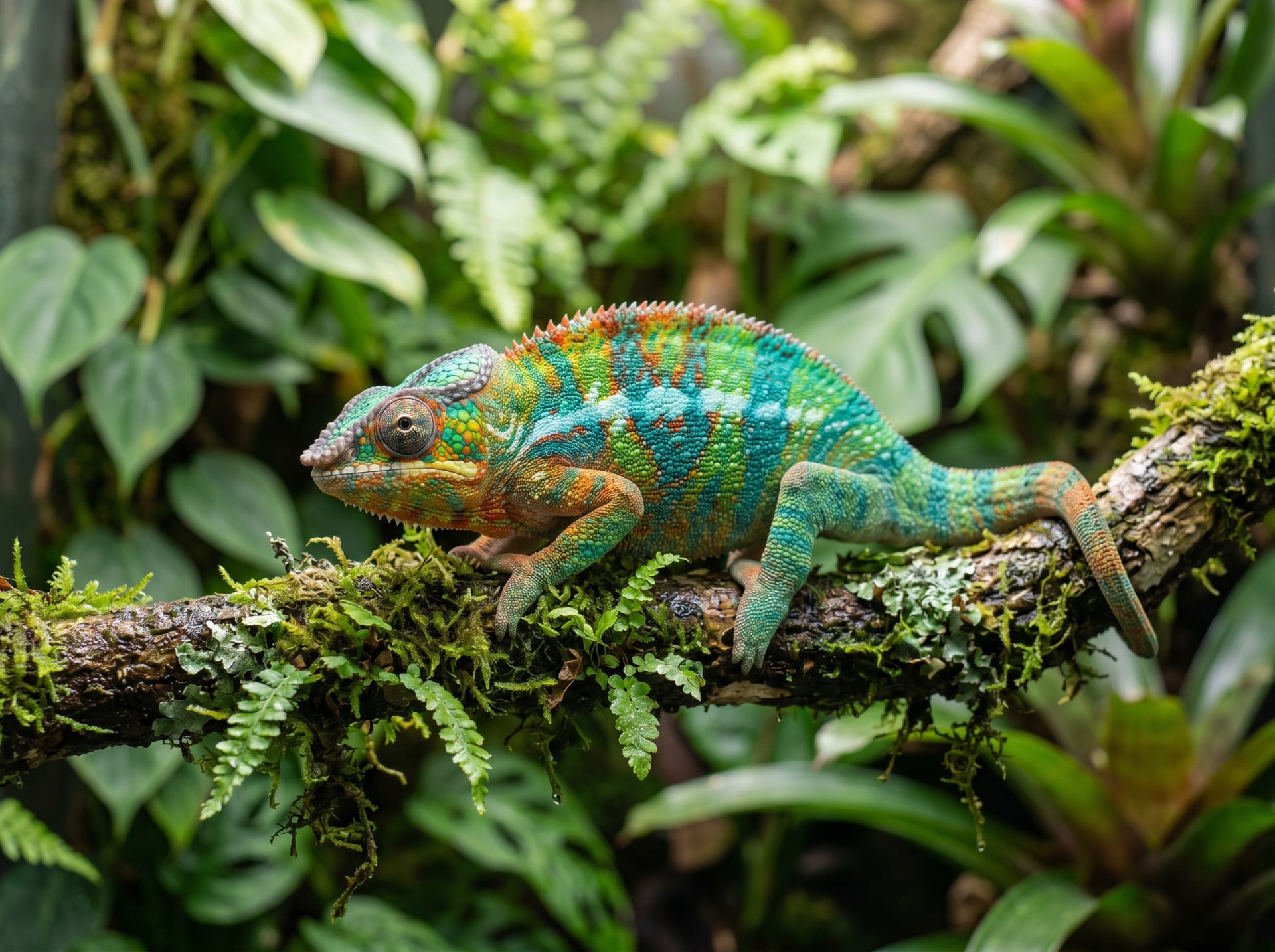
Chameleon
Chameleons are fascinating lizards renowned for their ability to change color, independently moving eyes, and lightning-fast tongue strikes. They prefer solitary life and are best appreciated as display animals rather than hands-on pets. Their precise environmental requirements make them better suited for intermediate to experienced reptile keepers.
0% commission on your first sales!Register by September 30, 2026 and your first 2 sales are commission-free!
Breeder Wanted!
List on BreederDirect and sell directly to customers nationwide!
6 Transparency Promises from Br-Choku
Every Reptiles & Amphibians from verified Breeder breeders includes complete information: morph, genetics, feeding requirements, and temperament details.
- Morph Information
- Actual Photos
- Feeding Information
- Temperament Information
- Genetics Information
- Age (Months)
Browse all 280 breeds
Difficulty Level
Feeding Type
Temperament
Verified breeders wanted for Reptiles & Amphibians
Breeders are signing up now ahead of launch. Subscribe to be notified when new listings go live.
Getting alerts is free with a member account. When new listings match your saved search, we'll notify you by email and in-app.
Browse other categories
Verified breeders (preview)
Are you raising reptiles & amphibians?
Register as a breeder and connect with buyers directly.
Apply as a breederAbout Chameleon
With approximately 220 recognized species concentrated in Africa and Madagascar, chameleons represent one of nature's most specialized groups of reptiles, highly adapted to arboreal life. Their iconic color changes serve not only as camouflage but also as a form of emotional expression and communication — a fact confirmed by modern behavioral research. Their independently rotating eyes provide near-360-degree vision, while their sticky tongues — capable of extending to twice their body length — can snatch insects in milliseconds. The most commonly kept species are the Veiled Chameleon and the Panther Chameleon; the former is generally considered hardier and more forgiving for those new to the hobby. The greatest appeal of keeping chameleons lies in observing their captivating behavior and shifting colors up close. While their care demands consistent environmental management, a well-maintained enclosure brings a uniquely rewarding experience that few other pets can match.
6 things to know before welcoming a Chameleon
1Humidity Is Everything
Chameleons need humidity levels of 50–80%, yet stagnant air quickly leads to respiratory infections. Use a mesh enclosure and maintain humidity through regular misting or an automated misting system while ensuring good airflow.
2UVB Lighting Is Non-Negotiable
UVB lighting is essential for vitamin D3 synthesis; without it, metabolic bone disease is a serious risk. Use a high-output UVB bulb (5.0–10.0) for 10–12 hours daily, and replace bulbs on schedule even if they still appear to emit light.
3Minimize Handling
Chameleons are extremely stress-sensitive, and frequent handling can suppress their immune system and trigger anorexia. Treat them primarily as display animals and limit physical contact to necessary cage maintenance.
4They Drink From Droplets
Chameleons do not drink from standing water; they lap droplets from leaves and cage walls. Provide misting at least twice daily or install a drip system to ensure they always have access to fresh water droplets.
5Live Prey Only
Chameleons are triggered by movement and rarely accept artificial diets. Feed live prey such as crickets, dubia roaches, and mealworms as staples, and dust feeders with calcium and vitamin supplements at each feeding.
6Color Changes Signal Mood
Color changes reflect temperature, mood, and health. Bright, vivid colors generally indicate a calm and active animal, while persistently dark or dull coloration can signal stress or illness. Develop a daily habit of observing your chameleon's color patterns.
Frequently asked questions about Chameleon
- Q.Can a beginner keep a chameleon?
- A.Chameleons are generally considered intermediate to advanced pets due to the need to simultaneously manage temperature, humidity, ventilation, and UVB lighting. Starting with a hardier species like the Veiled Chameleon and setting up the enclosure fully before bringing one home significantly improves the chances of success.
- Q.Why do chameleons change color?
- A.Color changes are produced by specialized pigment cells called chromatophores that alter how light reflects off the skin. Temperature, lighting, mood, health status, and social signals all play a role — it is not simply a camouflage mechanism but also a form of communication.
- Q.How long do chameleons live?
- A.Lifespan varies by species, but under proper care, male Veiled Chameleons typically live six to eight years while females average four to five years. Egg-laying — even unfertilized clutches — places significant physiological stress on females, so managing their laying conditions is an important part of their long-term care.
- Q.Can multiple chameleons be kept together?
- A.Chameleons should almost always be housed individually. Cohabitation causes significant stress, leading to appetite loss, weakened immunity, and injury from territorial disputes. Temporary pairing for breeding purposes is the only generally accepted exception to the one-enclosure, one-chameleon rule.
- Q.Do chameleons bond with their owners?
- A.Chameleons do not bond with their owners the way dogs or cats do, and even well-acclimated individuals rarely seek out human interaction or show affection. However, with consistent daily care, many individuals become comfortable enough with their keeper's presence to allow calm observation without visible stress.
Useful tools for Chameleon care
Chameleon related articles
Pygmy Chameleon (Brookesia genus) Care Guide | Environment, Feeding, and Humidity Management for Ultra-small Chameleons
Explains the care methods for the pygmy chameleon (Brookesia genus), an ultra-small chameleon endemic to Madagascar. This practical guide covers the characteristics of the world's tiniest chameleons, cage design, high humidity maintenance, live food management, and CITES regulations.
Comparing Veiled Chameleons and Panther Chameleons | Beginner's Selection Guide
A comprehensive comparison of "Veiled Chameleon vs Panther Chameleon" for beginners. We explain temperament, price, humidity management, color diversity, and availability in comparison tables. Complete support for first-time chameleon selection, from setting up the right habitat to checking breeder credentials before purchase.
Jackson's Chameleon Care Guide | 3-Horned High-Altitude Chameleon, Cage, Misting, and Feeding
A comprehensive guide to caring for Jackson's chameleons, characterized by three distinctive horns like a triceratops. Learn about the necessity of a vertical mesh cage with excellent ventilation, temperature gradient management (basking 28–32°C, nighttime 15–18°C), maintaining high humidity (60–80%) with automated misting systems, gut-loading of crickets and dubia roaches with nutrition, habituation to handling, and detailed health monitoring (eyes, weight, shedding, and waste) for optimal care.
Veiled Chameleon Care Guide | Vertical Enclosure, Misting, UVB, and Nutrition
A comprehensive guide to caring for the Veiled Chameleon (Chamaeleo calyptratus), which requires a mesh vertical enclosure. We cover the distinctive casque (helmet) on the head, automated misting for hydration, selection of desert-type UVB lamps, gut-loading crickets, and how to interpret color-change (coloration) signs—all explained for beginners.
Complete Guide to Keeping Panther Chameleons | Enclosure, Misting, UVB, and Basic Diet
A thorough explanation of panther chameleon care methods. Introduction for beginners covering the mechanism of color change, essential UVB lighting setup, water supply through misting, cage layout for three-dimensional movement, and types of feeder insects.
Bearded Chameleon Color Changes and Emotional Expression | The Meaning of Colors and Health Signs
Explains the mechanisms of bearded chameleon color changes and the emotions and health conditions that colors indicate. Introduces how to read stress, relaxation, breeding, and illness signs from body color, and how to respond appropriately.
More in this category
Can't find the one you're looking for?
Post your wishes for free and breeders with matching animals will contact you with introductions.