 © User:Stan Shebs / CC BY-SA 3.0
Surinam Toad
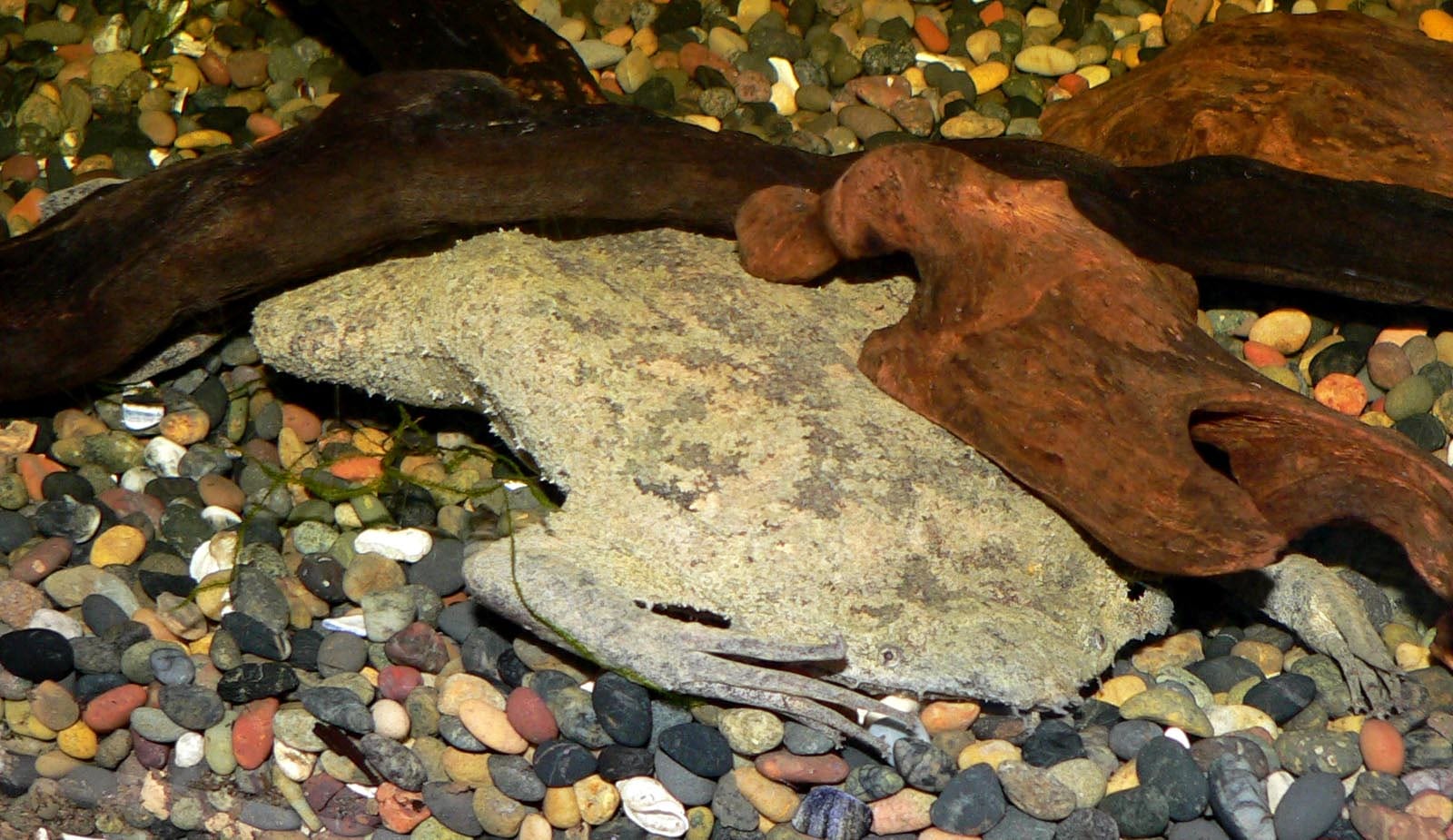
The Surinam toad is a fully aquatic frog native to the murky, still waters of northern South America. Its flattened body and triangular head let it blend in with fallen leaves, and it has no tongue — instead, it sucks in prey along with the surrounding water. Its most remarkable trait is reproductive: the female embeds fertilized eggs into the skin of her back, where the young develop until they emerge as froglets. Because it lives entirely underwater, no land area is needed, though water quality must be carefully managed, making it a species best suited to keepers with some prior experience. Its striking appearance and unusual life cycle make it a favorite among hobbyists looking for something unconventional.
View Surinam Toad encyclopedia →0% commission on your first sales!Register by September 30, 2026 and your first 2 sales are commission-free!
Breeder Wanted!
List on BreederDirect and sell directly to customers nationwide!
6 Transparency Promises from Br-Choku
Every Reptiles & Amphibians from verified Breeder breeders includes complete information: morph, genetics, feeding requirements, and temperament details.
- Morph Information
- Actual Photos
- Feeding Information
- Temperament Information
- Genetics Information
- Age (Months)
Browse all 280 breeds
Difficulty Level
Feeding Type
Temperament
Verified breeders wanted for Reptiles & Amphibians
Breeders are signing up now ahead of launch. Subscribe to be notified when new listings go live.
Getting alerts is free with a member account. When new listings match your saved search, we'll notify you by email and in-app.
Browse other categories
Verified breeders (preview)
Are you raising reptiles & amphibians?
Register as a breeder and connect with buyers directly.
Apply as a breederSurinam Toad key facts
- Care level
- Intermediate
- Lifespan
- About 7 years on average in captivity
- Size
- 15-17cm
- Temperature
- 23〜25℃
- Diet
- Earthworms and feeder fish (live food)
- Temperature & Humidity
- Hold the water at about 23-25 C. Being fully aquatic it needs no ambient humidity control, but it dislikes sudden swings, so use a heater and thermostat.
- Enclosure
- A pair fits a tank of about 110 L (29 gallons). Substrate is optional; provide potted plants or pipe sections as cover. Run generous filtration to keep water quality stable.
- Diet & Feeding
- Feed live food such as earthworms and feeder fish. As an ambush predator it responds to movement and rarely takes prepared diets. Any tank mate that fits in the mouth will be eaten.
- Temperament
- It is remarkably inactive, resting on the bottom with the forelimbs held out. Conspecific aggression is low and groups can be kept. It is shy of handling.
- Notes
- It lacks dermal antimicrobial peptides and is thought to be more susceptible to chytridiomycosis and ranavirus, so quarantine new arrivals. Keep the lid secured, as it can leave the tank.
About Surinam Toad
The Surinam toad is a fully aquatic frog from South America, known for its leaf-like flattened body and the female's unique habit of raising eggs embedded in her back skin.
7 things to know before welcoming a Surinam Toad
1Fully Aquatic, No Land Needed
Surinam toads spend virtually their entire lives underwater, so no land area is required in the setup. That means stable water quality and temperature become the key factors for keeping them healthy.
2Leaf-Like Camouflage
Its flattened body and triangular head let it mimic a sunken leaf remarkably well. Because it tends to stay motionless, newcomers may find it hard to spot at first.
3No Tongue — Suction Feeding
Lacking a tongue, it uses its front legs to sweep prey toward its mouth, then sucks it in along with the surrounding water in one quick motion. This gives keepers a chance to observe its distinctive feeding behavior with live or sinking foods.
4Eggs Raised in the Back Skin
During breeding, fertilized eggs become embedded in the skin of the female's back, where they develop until emerging as froglets — a striking and unusual form of parental care. Even without breeding in mind, this trait can be seen in the size and build differences between males and females.
5Best Suited to Experienced Keepers
This species is considered best suited to keepers with some prior experience, as it is sensitive to water quality decline. First-time aquatic amphibian keepers are encouraged to build up basic water-quality management knowledge before bringing one home.
6An Average Lifespan of About 7 Years
In captivity, the average lifespan is around 7 years. Since this is a long-term commitment, it's worth confirming in advance that you can maintain a stable tank environment over that span.
7Adults Reach 15–17 cm
Adults grow to roughly 15–17 cm in length. Be sure to prepare a tank with enough floor space and water volume to comfortably accommodate their adult size.
Frequently asked questions about Surinam Toad
- Q.Does the Surinam toad ever come onto land?
- A.No, it is fully aquatic and spends almost its entire life underwater. There's no need to provide a land area — the setup should focus entirely on an aquatic environment.
- Q.Why does it look like a dead leaf?
- A.Its flattened body and triangular head mimic a sunken dead leaf. This is thought to help it hide from predators and approach prey without being noticed.
- Q.What does it mean that it raises eggs on its back?
- A.During breeding, fertilized eggs become embedded in the skin of the female's back, where they develop until emerging as froglets. It's known as one of the more unusual forms of parental care among frogs.
- Q.Is the Surinam toad suitable for beginners?
- A.This species is considered best suited to keepers with some prior experience. Since it's sensitive to changes in water quality, it's recommended to have some aquatic amphibian experience or to learn the basics of water management beforehand.
- Q.Is the Surinam toad subject to CITES?
- A.The Surinam toad is not subject to CITES.
Useful tools for Surinam Toad care
Learn more about Surinam Toad in the encyclopedia
View Surinam Toad encyclopedia entry →
Care difficulty, lifespan, size and diet — all basics covered.
More in this category
Can't find the one you're looking for?
Post your wishes for free and breeders with matching animals will contact you with introductions.