 © Raigo1 / CC BY-SA 3.0
Kaiser's Spotted Newt
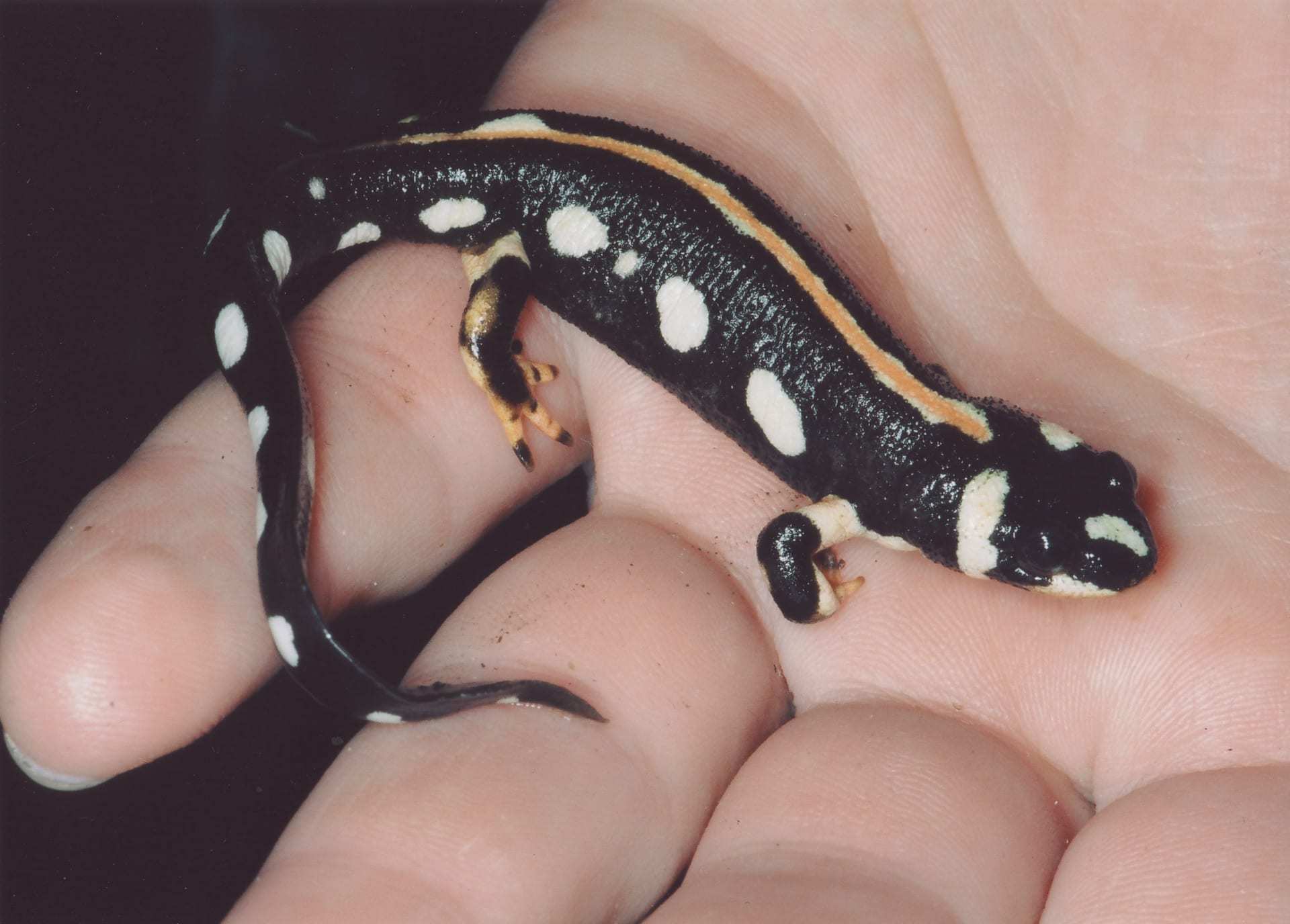
Kaiser's Spotted Newt is a strikingly rare amphibian found only in a handful of mountain streams in the Zagros range of southern Iran. Its bold coloring—a white body covered in black spots, with a vivid orange stripe running down the back and tail—makes it one of the most eye-catching newts in the hobby. Calm and unhurried by nature, it splits its time between water and land as a semi-aquatic species. Because its wild range is so restricted, keeping this newt well requires careful attention to water quality and temperature, which is why it's generally recommended for experienced keepers only. Adults typically reach 10–14 cm, and each individual's spot pattern is slightly different, adding to the appeal of choosing one.
View Kaiser's Spotted Newt encyclopedia →0% commission on your first sales!Register by September 30, 2026 and your first 2 sales are commission-free!
Breeder Wanted!
List on BreederDirect and sell directly to customers nationwide!
6 Transparency Promises from Br-Choku
Every Reptiles & Amphibians from verified Breeder breeders includes complete information: morph, genetics, feeding requirements, and temperament details.
- Morph Information
- Actual Photos
- Feeding Information
- Temperament Information
- Genetics Information
- Age (Months)
Browse all 280 breeds
Difficulty Level
Feeding Type
Temperament
Verified breeders wanted for Reptiles & Amphibians
Breeders are signing up now ahead of launch. Subscribe to be notified when new listings go live.
Getting alerts is free with a member account. When new listings match your saved search, we'll notify you by email and in-app.
Browse other categories
Verified breeders (preview)
Are you raising reptiles & amphibians?
Register as a breeder and connect with buyers directly.
Apply as a breederKaiser's Spotted Newt key facts
- Care level
- Advanced
- Lifespan
- 10-15 years
- Size
- 10-14cm
- Temperature
- 15〜25℃
- Diet
- Small earthworms, waxworms, large fruit flies, woodlice and crickets
- Temperature & Humidity
- 15-25 C suits it, and it tolerates up to 30 C when kept on land. A terrestrial period at 5-10 C in winter stimulates breeding. Avoid temperatures near freezing.
- Enclosure
- Use a semi-aquatic setup with plenty of rock and bark, providing hides both above and below water. A depth of 20-30 cm is typical. Keep filtration gentle, producing no more than slight water movement.
- Diet & Feeding
- On land, adults and juveniles take small earthworms, waxworms, large fruit flies, maggots, woodlice and appropriately sized crickets. In the water, the usual newt foods work.
- Temperament
- It is active and moves between land and water as conditions change. Conspecific aggression is low, but because so few animals exist, keepers are expected to manage bloodlines carefully.
- Notes
- It is a CITES Appendix I species, so transfer or sale in Japan requires a registration certificate under the Act on Conservation of Endangered Species. Trading an unregistered animal is an offence. Always confirm documented captive-bred provenance.
About Kaiser's Spotted Newt
Kaiser's Spotted Newt: a rare amphibian from Iran's Zagros streams, prized for its white, black-spotted body with orange stripes. Adults reach 10–14 cm.
7 things to know before welcoming a Kaiser's Spotted Newt
1An Advanced-Level Species
Because Kaiser's Spotted Newts come from such a limited wild range, keeping them well calls for real know-how around water quality and temperature. It's best to have some newt-keeping experience under your belt before taking one on.
2Balance of Land and Water
As a semi-aquatic species, they need both a proper swimming area and dry land within the enclosure. Watch your newt's behavior and adjust the ratio of water to land accordingly.
3Temperature Control Matters
Coming from cool mountain streams, this newt doesn't tolerate heat well, so keeping the water and room temperature stable is central to good care. Pay extra attention during the warmer months.
4Striking Black, White, and Orange
Its white body dotted with black spots, accented by a vivid orange stripe down the back and tail, gives this newt real visual impact. Markings vary from individual to individual, so no two look exactly alike.
5A Calm, Quiet Temperament
These newts move slowly and spend much of their time tucked away in hiding spots. They're best kept alone or in small, carefully chosen groups, so take care when considering tankmates.
6Delicate, Sensitive Skin
Like other amphibians, they absorb water and substances readily through their skin, so bare-handed contact and harsh chemicals should be avoided. It's best to observe them rather than handle them often.
7Set Up the Habitat First
Have the water area, land, and hiding spots fully established before bringing your newt home. Adults reach 10–14 cm, so choose an enclosure with plenty of room to grow into.
Frequently asked questions about Kaiser's Spotted Newt
- Q.Is Kaiser's Spotted Newt suitable for beginners?
- A.Not really — because its wild range is so limited, keeping it well requires real know-how around water quality and temperature, so it's generally considered a species for experienced keepers. If you're new to newts, research care requirements thoroughly before deciding.
- Q.How big do adults get?
- A.Adults typically reach 10–14 cm in length. Choose an enclosure with enough room to comfortably accommodate that size.
- Q.What does its coloring look like?
- A.It has a white body covered in black spots, with a vivid orange stripe running along the back and tail. The exact pattern varies from individual to individual.
- Q.Can it be kept with other animals?
- A.It's generally best kept alone or in a small, carefully chosen group, so tankmates need careful consideration. It has a calm temperament and tends to spend a lot of time hidden away.
- Q.Does it need both water and land in its enclosure?
- A.Yes — as a semi-aquatic species, it needs both a swimming area and dry land within its habitat. Watch your newt's behavior and adjust the balance as needed.
Useful tools for Kaiser's Spotted Newt care
Learn more about Kaiser's Spotted Newt in the encyclopedia
View Kaiser's Spotted Newt encyclopedia entry →
Care difficulty, lifespan, size and diet — all basics covered.
More in this category
Can't find the one you're looking for?
Post your wishes for free and breeders with matching animals will contact you with introductions.