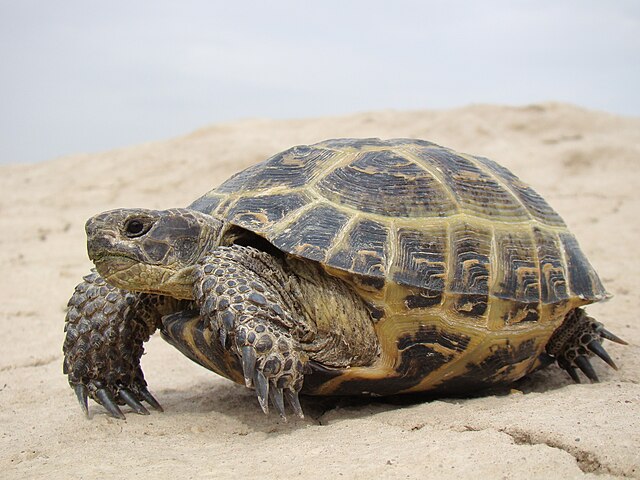
 © Orchi / CC BY-SA 3.0
Russian Tortoise
The Russian Tortoise, also known as the Horsfield's tortoise, is a small, hardy species well suited to first-time tortoise keepers. Reaching about 15 to 22 cm as adults, they tolerate dry conditions well and are known for their easygoing care requirements. Individual personalities vary, but many are surprisingly active and curious, growing calmer around their keepers over time. Their diet centers on weeds and vegetables such as dandelion greens and clover, making feeding straightforward. Because Russian Tortoises can live 40 years or more, welcoming one is a long-term commitment worth planning for.
View Russian Tortoise encyclopedia →0% commission on your first sales!Register by September 30, 2026 and your first 2 sales are commission-free!
Breeder Wanted!
List on BreederDirect and sell directly to customers nationwide!
6 Transparency Promises from Br-Choku
Every Reptiles & Amphibians from verified Breeder breeders includes complete information: morph, genetics, feeding requirements, and temperament details.
- Morph Information
- Actual Photos
- Feeding Information
- Temperament Information
- Genetics Information
- Age (Months)
Browse all 280 breeds
Difficulty Level
Feeding Type
Temperament
Verified breeders wanted for Reptiles & Amphibians
Breeders are signing up now ahead of launch. Subscribe to be notified when new listings go live.
Getting alerts is free with a member account. When new listings match your saved search, we'll notify you by email and in-app.
Browse other categories
Verified breeders (preview)
Are you raising reptiles & amphibians?
Register as a breeder and connect with buyers directly.
Apply as a breederAbout Russian Tortoise
Russian Tortoises (Horsfield's tortoises) are hardy, drought-tolerant, and beginner-friendly. Adults reach 15-22 cm and can live 40+ years. Learn their traits, temperament, and care essentials.
7 things to know before welcoming a Russian Tortoise
1Dry, Arid Enclosure Setup
Russian Tortoises don't tolerate excess humidity well, so their enclosure should use dry-leaning substrate along with UVB lighting and a basking bulb. Provide a basking spot and hiding areas with a clear temperature gradient across the enclosure.
2Strong Digging Instinct
These tortoises dig enthusiastically, so substrate should be deep enough to accommodate this behavior. Give them a spacious enclosure with tall enough walls to prevent escapes or collapsed decor.
3Weed- and Vegetable-Based Diet
Their diet centers on weeds and vegetables such as dandelion greens and clover. Add a calcium supplement and keep watery foods or fruit to a minimum for balanced nutrition.
4Watch Shell and Skin Health
Check the shell shape and skin condition regularly for discoloration or irritation. If anything looks off, it's best to consult a reptile-experienced veterinarian promptly.
5Managing Cooler-Season Dormancy
Activity slows during cooler periods, and tortoises may enter a dormancy-like state. Since the right approach varies by individual and setup, many keepers maintain steady enclosure temperatures instead of allowing brumation.
6Active, Curious Temperament
Despite their appearance, Russian Tortoises are quite active, spending the day walking around and foraging. Many are relatively bold and, once accustomed to their keeper, will even take vegetables from your hand.
7Plan for Decades of Care
With a lifespan of 40 years or more, it's worth thinking ahead to how their care will fit your life over time. Consider in advance who might look after them during trips and how their care will continue long-term.
Frequently asked questions about Russian Tortoise
- Q.Can beginners keep a Russian Tortoise?
- A.Yes — they're hardy, tolerate dry conditions well, and are widely considered one of the easier tortoise species for first-time keepers. As long as you can provide basic temperature and humidity control along with UVB lighting, getting started is manageable.
- Q.How big do they get as adults?
- A.Adults typically reach a shell length of about 15 to 22 cm. This makes them a small tortoise species, which means they generally require less space than larger tortoises.
- Q.What should I feed a Russian Tortoise?
- A.Their diet centers on weeds and vegetables such as dandelion greens and clover. Adding a calcium supplement helps round out their nutrition.
- Q.How long do Russian Tortoises live?
- A.They're known for their long lifespan, typically 40 years or more. Before bringing one home, it's worth considering whether you can commit to their care over that timeframe, including through changes in your own life.
- Q.Are there any legal restrictions on this species?
- A.Russian Tortoises are not subject to CITES.
Useful tools for Russian Tortoise care
Learn more about Russian Tortoise in the encyclopedia
View Russian Tortoise encyclopedia entry →
Care difficulty, lifespan, size and diet — all basics covered.
Russian Tortoise related articles
See more Russian Tortoise articles →More in this category
Can't find the one you're looking for?
Post your wishes for free and breeders with matching animals will contact you with introductions.