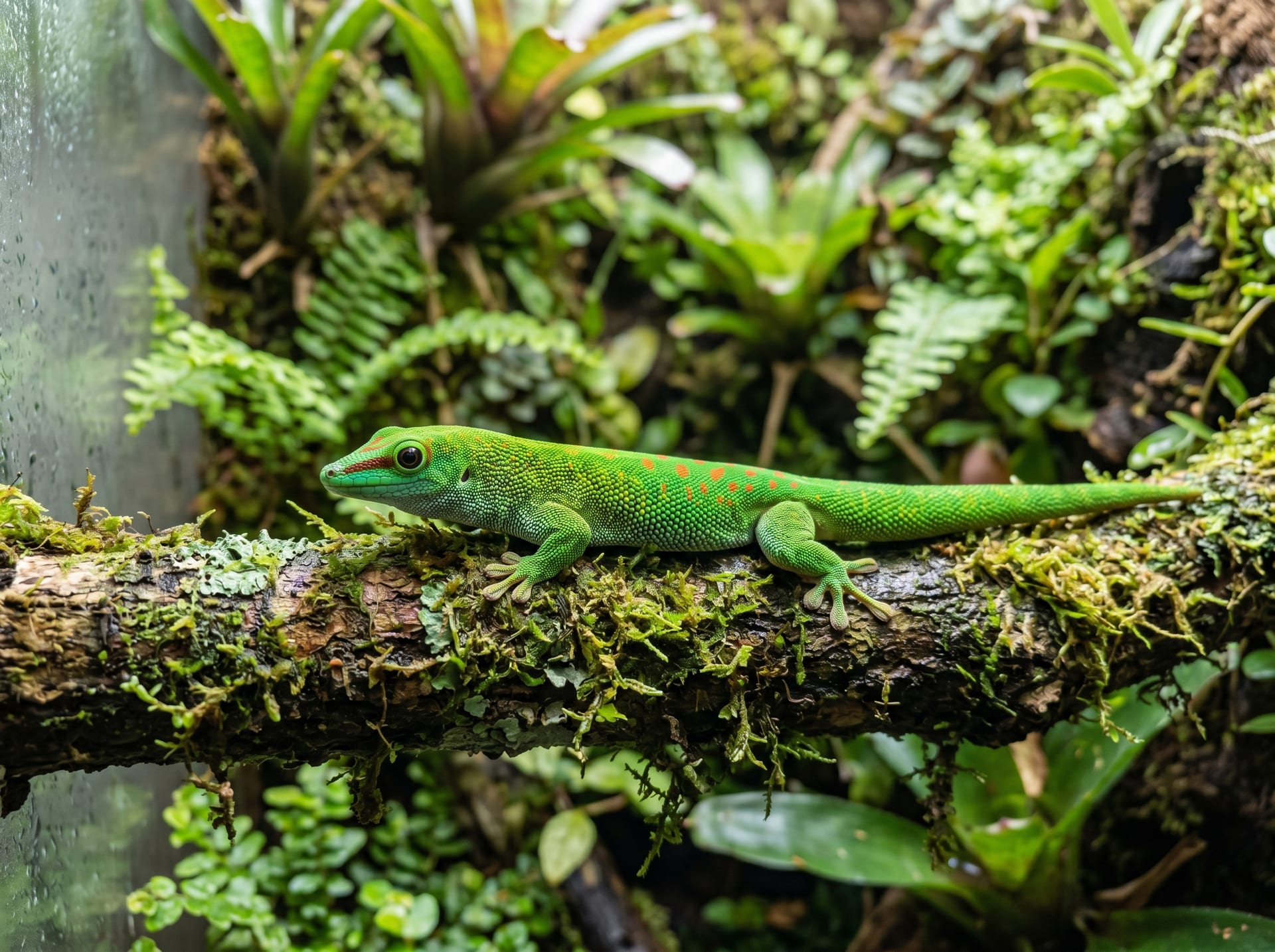
Day Gecko
Diurnal bright green gecko from Madagascar. Entertaining active behavior. Best kept as display animal.
View Day Gecko encyclopedia →0% commission on your first sales!Register by September 30, 2026 and your first 2 sales are commission-free!
Breeder Wanted!
List on BreederDirect and sell directly to customers nationwide!
6 Transparency Promises from Br-Choku
Every Reptiles & Amphibians from verified Breeder breeders includes complete information: morph, genetics, feeding requirements, and temperament details.
- Morph Information
- Actual Photos
- Feeding Information
- Temperament Information
- Genetics Information
- Age (Months)
Browse all 34 breeds
Difficulty Level
Feeding Type
Temperament
Verified breeders wanted for Reptiles & Amphibians
Breeders are signing up now ahead of launch. Subscribe to be notified when new listings go live.
Getting alerts is free with a member account. When new listings match your saved search, we'll notify you by email and in-app.
Browse other categories
Verified breeders (preview)
Are you raising reptiles & amphibians?
Register as a breeder and connect with buyers directly.
Apply as a breederDay Gecko key facts
- Care level
- Intermediate
- Lifespan
- 6-10 years
- Size
- 10-30cm (varies by species)
- Diet
- Insects, fruit, nectar
- Temperature
- 25-30°C (basking 35°C)
- Humidity
- 50-70%
- Lighting
- UVB light essential (diurnal)
- Temperament
- Fast and skittish. Not suited for handling
- Notes
- Extremely thin skin that tears easily — do not handle
About Day Gecko
Day Geckos belong to the genus Phelsuma and originate from Madagascar and its surrounding islands. True to their name, they are one of the few gecko groups that are active during daylight hours, making them a standout choice among reptile keepers. Their striking emerald-green coloration, often accented with vivid red or orange markings, makes them among the most visually stunning lizards available in the hobby. Species range from compact 10 cm forms to large specimens like the Giant Day Gecko exceeding 30 cm. Curious and quick by nature, they thrive when given a richly furnished vertical terrarium that mimics the layers of a tropical forest. Because their skin is delicate and they stress easily when touched, the joy of keeping Day Geckos lies in observation rather than handling — watching them bask, stalk insects, and lap up fruit across a naturalistic setup is deeply rewarding. With proper care, they can live 6 to 10 years, offering a long-term and visually captivating companion for dedicated reptile enthusiasts.
7 things to know before welcoming a Day Gecko
1Active During Daytime
Unlike most geckos, Day Geckos are active during daylight hours, making them a rare and rewarding species to observe. You can watch them hunt, explore, and bask under natural or artificial lighting throughout the day. This diurnal behavior is one of their most appealing traits for reptile enthusiasts.
2Not Handleable
Day Geckos have extremely delicate skin that can tear if handled roughly, and they are highly stress-sensitive. Frequent handling can compromise their health and well-being significantly. They are best kept as display animals observed through the glass of their enclosure.
3Warm, Humid Setup Required
Enclosures should maintain daytime temperatures of 25–30°C with a basking spot around 32°C, mimicking their native Madagascar climate. Humidity should be kept at 60–80%, achieved through daily misting one to two times per day. A tall, bioactive terrarium with live plants provides an ideal environment.
4UVB Lighting Is Essential
As a diurnal species, Day Geckos require UVB lighting to synthesize vitamin D3 and properly metabolize calcium. A UVB fluorescent tube or metal halide lamp should be provided for 10–12 hours daily. Insufficient UVB exposure can lead to metabolic bone disease over time.
5Insect and Fruit-Based Diet
The primary diet consists of insects such as crickets and fruit flies, dusted with calcium powder before feeding. Fruit-based foods using banana or mango, as well as commercial Day Gecko diets like Repashy CGD, are also recommended. Offering dietary variety that includes nectar-like foods helps meet their nutritional needs.
6Size Varies by Species
Day Geckos encompass many species ranging from small 10 cm varieties to the Giant Day Gecko which can reach nearly 30 cm. Before purchasing, confirm the exact species and prepare an appropriately sized enclosure. Mid-sized species such as the Gold Dust Day Gecko are often considered more manageable for beginners.
7Tail Autotomy and Regeneration
Day Geckos may drop their tail as a defense mechanism when stressed or threatened, a process called autotomy. The regenerated tail is made of cartilage and will not match the original in shape or appearance. Providing a calm, low-stress environment and minimizing unnecessary disturbances helps prevent tail loss.
Frequently asked questions about Day Gecko
- Q.Are Day Geckos suitable for beginners?
- A.Day Geckos require careful temperature and humidity management along with UVB lighting, so they suit keepers with some basic reptile experience better than absolute beginners. That said, those willing to learn the setup requirements and enjoy them as display animals will find them very rewarding.
- Q.Can I keep multiple Day Geckos together?
- A.Males should never be housed together as they will fight seriously over territory. A male-female pair can coexist, but you should monitor them closely for stress or aggression. For multiple geckos, keeping each in its own enclosure is the safest and most recommended approach.
- Q.How much daily care do Day Geckos need?
- A.Daily care involves misting the enclosure, feeding every one to two days, and checking temperature and humidity — typically 10 to 15 minutes once you're familiar with the routine. A more thorough enclosure cleaning is recommended once a week.
- Q.Do Day Geckos bond with their owners?
- A.Day Geckos do not bond with owners the way dogs or cats do, and most dislike being touched. However, with consistent daily care, some individuals become accustomed to their keeper's presence and may approach the glass. They are best suited to those who enjoy observing rather than handling their pets.
- Q.What should I do if my Day Gecko stops eating?
- A.Loss of appetite is often caused by incorrect temperatures or humidity, pre-shed stress, or overstimulation from the environment. Start by reviewing your setup and ensuring conditions are within the recommended ranges. If the gecko still refuses food after several days, consult a reptile-experienced veterinarian.
Useful tools for Day Gecko care
Learn more about Day Gecko in the encyclopedia
View Day Gecko encyclopedia entry →
Care difficulty, lifespan, size and diet — all basics covered.
Day Gecko related articles
See more Day Gecko articles →More in this category
Can't find the one you're looking for?
Post your wishes for free and breeders with matching animals will contact you with introductions.