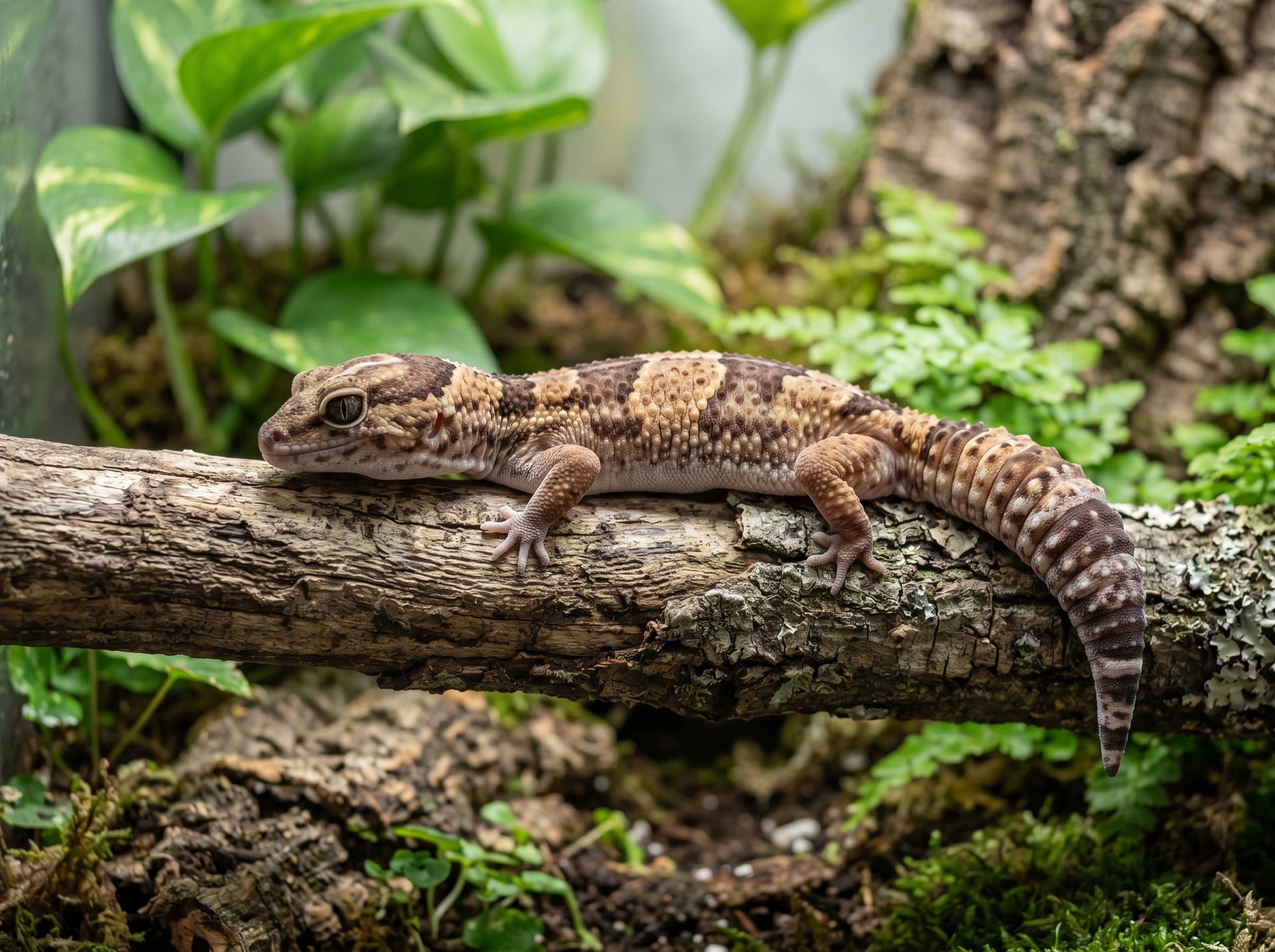
African Fat-Tailed Gecko
Popular ground-dwelling gecko alongside leopard geckos. Prefers higher humidity and slightly shy but calms with handling.
View African Fat-Tailed Gecko encyclopedia →0% commission on your first sales!Register by September 30, 2026 and your first 2 sales are commission-free!
Breeder Wanted!
List on BreederDirect and sell directly to customers nationwide!
6 Transparency Promises from Br-Choku
Every Reptiles & Amphibians from verified Breeder breeders includes complete information: morph, genetics, feeding requirements, and temperament details.
- Morph Information
- Actual Photos
- Feeding Information
- Temperament Information
- Genetics Information
- Age (Months)
Browse all 34 breeds
Difficulty Level
Feeding Type
Temperament
Verified breeders wanted for Reptiles & Amphibians
Breeders are signing up now ahead of launch. Subscribe to be notified when new listings go live.
Getting alerts is free with a member account. When new listings match your saved search, we'll notify you by email and in-app.
Browse other categories
Verified breeders (preview)
Are you raising reptiles & amphibians?
Register as a breeder and connect with buyers directly.
Apply as a breederAfrican Fat-Tailed Gecko key facts
- Care level
- Beginner-friendly
- Lifespan
- 15-20 years
- Size
- 20-25cm
- Diet
- Insects (crickets, mealworms)
- Temperature
- 26-32°C (hot spot)
- Humidity
- 50-70% (higher than leopard geckos)
- Shelter
- Moist hide essential
- Feeding
- Calcium-dusted insects every 2-3 days
- Notes
- Tail autotomy risk — avoid startling
About African Fat-Tailed Gecko
The African Fat-Tailed Gecko (Hemitheconyx caudicinctus) is a ground-dwelling gecko native to the grasslands and dry woodlands of West Africa, from Senegal to Cameroon. Closely related to the Leopard Gecko, it stands apart through its preference for higher humidity and its characteristically thick, rounded tail used to store fat reserves. Base coloration is typically brown with beige banding, and a wide variety of morphs — including albino and oreo patterns — are now widely available. In temperament, it is cautious and sensitive, yet a well-settled individual can be remarkably calm, often sitting still on an open hand. Its impressive lifespan of 15 to 20 years makes it a rewarding long-term companion. Nocturnal by nature, it spends daylight hours sheltering in hides, making evening feeding and observation one of the quiet pleasures of keeping this species.
Featured breeders for African Fat-Tailed Gecko
See all African Fat-Tailed Gecko breeders (1) →7 things to know before welcoming a African Fat-Tailed Gecko
1Humidity Is Key
African Fat-Tailed Geckos prefer higher humidity (60–80%) compared to Leopard Geckos. Using a moist hide and creating a humidity gradient within the enclosure helps prevent incomplete sheds. Overly dry conditions can lead to retained skin on the toes, which may cause injury over time.
2Shy Nature and Taming
African Fat-Tailed Geckos tend to be shyer and more nervous than Leopard Geckos, though this varies by individual. It is best to avoid handling for the first few weeks and let the gecko acclimate through the enclosure first. Consistent, brief daily interactions will gradually build trust and acceptance of handling.
3Enclosure and Substrate
An enclosure of at least 45×30 cm is recommended for one adult. Moisture-retaining substrates such as coconut fiber or bioactive mixes are well-suited, while loose sand carries risks of ingestion and dryness for beginners. Always provide two hides—one dry and one moist—to allow the gecko to self-regulate.
4Setting a Temperature Gradient
Aim for a warm side of 30–32°C and a cool side of 24–26°C. Placing an under-tank heater beneath one side of the enclosure provides belly warmth while allowing the gecko to escape the heat as needed. Keep nighttime temperatures above 20°C.
5Insect Diet and Feeding
Crickets and mealworms form the staple diet, though feeder insects like Dubia roaches are easier to manage and highly digestible. Juveniles should be fed daily, while adults do well with feedings every 2–3 days. Dust insects with calcium powder before each feeding as a routine practice.
6The Tail Signals Health
The plump tail of the African Fat-Tailed Gecko stores fat reserves and serves as a visible health indicator. A sudden thinning of the tail may signal appetite loss, parasites, or other health concerns. Make it a habit to monitor the tail's condition regularly.
7Long-Term Keeping Costs
With a lifespan of 15–20 years, it is important to plan for the long-term costs of keeping this species. Beyond the initial setup (enclosure, equipment, and the gecko itself), ongoing expenses include feeder insects, electricity, and supplements. Budgeting for an annual check-up at a reptile-specialized veterinarian is also advisable.
Frequently asked questions about African Fat-Tailed Gecko
- Q.What is the main difference from a Leopard Gecko?
- A.The key difference is humidity requirement — African Fat-Tails need 60–80% humidity and are more prone to shedding problems in dry conditions. They also tend to have a stockier build and a noticeably thicker, rounder tail.
- Q.When can I start handling my gecko?
- A.Allow 1–2 weeks after arrival for the gecko to settle in, and first build positive associations through feeding. After that, begin with brief, gentle handling sessions and gradually increase duration as the gecko relaxes.
- Q.What should I do if the shed is incomplete?
- A.Incomplete sheds are mainly caused by low humidity. Provide a moist hide with damp sphagnum moss, or gently place the gecko on a warm, damp towel to help loosen the retained skin. Pay close attention to shed remaining around the eyes and toes.
- Q.What and how much should I feed?
- A.Crickets and mealworms are the staple diet; adults typically eat 2–3 times per week. Dust each feeding with reptile-grade calcium and vitamin D3 supplement. Adjust portion size by monitoring the thickness of the tail.
- Q.Can I keep multiple geckos together?
- A.Single housing is strongly recommended. Males housed together almost always fight and injure each other, and even females can be incompatible. Even for breeding purposes, keep them separated outside of the pairing period.
Useful tools for African Fat-Tailed Gecko care
Learn more about African Fat-Tailed Gecko in the encyclopedia
View African Fat-Tailed Gecko encyclopedia entry →
Care difficulty, lifespan, size and diet — all basics covered.
African Fat-Tailed Gecko related articles
See more African Fat-Tailed Gecko articles →More in this category
Can't find the one you're looking for?
Post your wishes for free and breeders with matching animals will contact you with introductions.