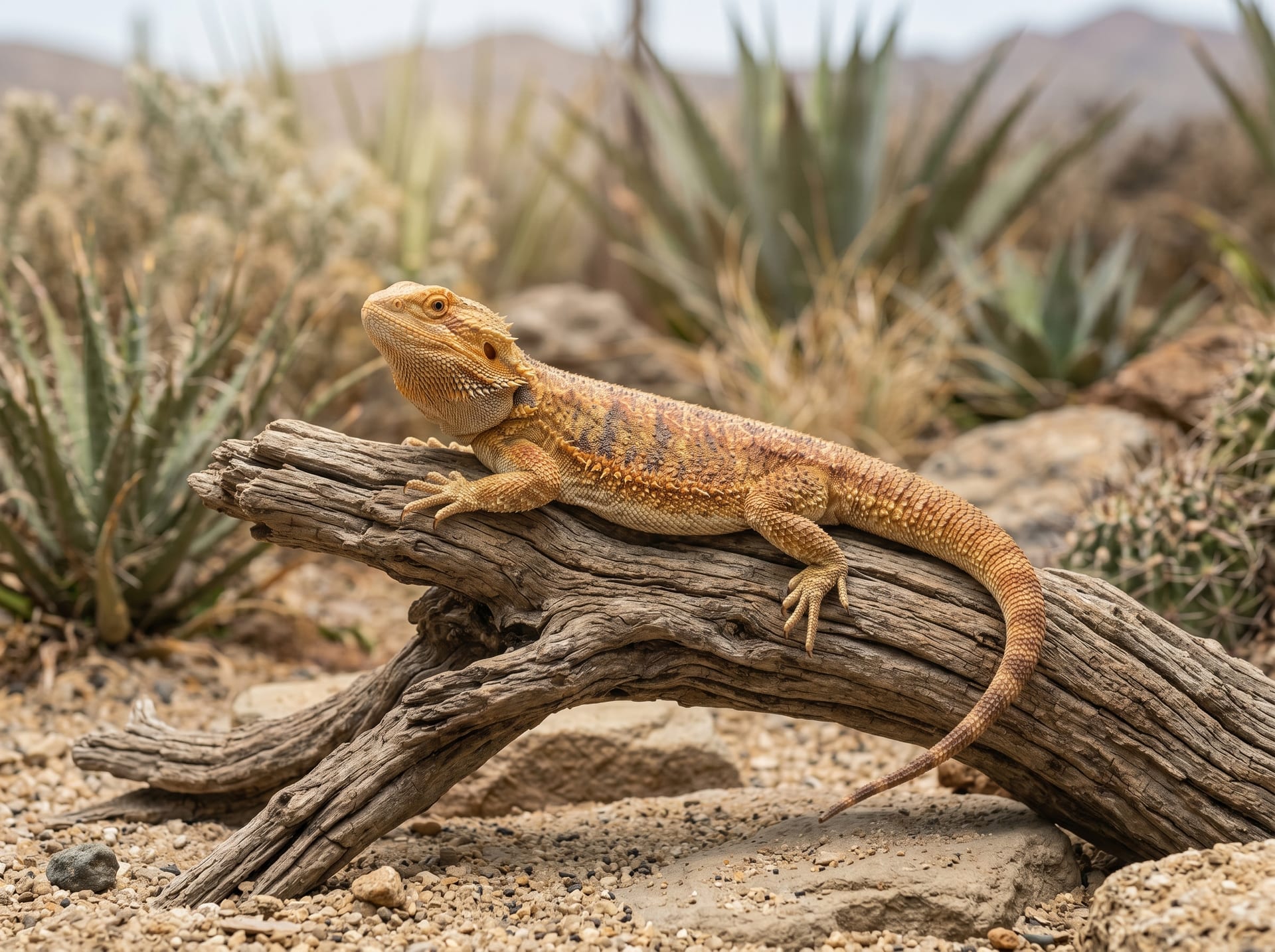
Bearded Dragon
Friendly, expressive lizard. Requires UVB lighting but well-established husbandry makes them beginner-friendly. Omnivorous diet.
View Bearded Dragon encyclopedia →0% commission on your first sales!Register by September 30, 2026 and your first 2 sales are commission-free!
Breeder Wanted!
List on BreederDirect and sell directly to customers nationwide!
6 Transparency Promises from Br-Choku
Every Reptiles & Amphibians from verified Breeder breeders includes complete information: morph, genetics, feeding requirements, and temperament details.
- Morph Information
- Actual Photos
- Feeding Information
- Temperament Information
- Genetics Information
- Age (Months)
Browse all 34 breeds
Difficulty Level
Feeding Type
Temperament
Verified breeders wanted for Reptiles & Amphibians
Breeders are signing up now ahead of launch. Subscribe to be notified when new listings go live.
Getting alerts is free with a member account. When new listings match your saved search, we'll notify you by email and in-app.
Browse other categories
Verified breeders (preview)
Are you raising reptiles & amphibians?
Register as a breeder and connect with buyers directly.
Apply as a breederBearded Dragon key facts
- Care level
- Beginner-friendly
- Lifespan
- 8-12 years
- Size
- 40-60cm
- Temperature
- 28〜40℃
- Humidity
- 30〜40%
- Diet
- Omnivore (insects + vegetables/fruits)
- Enclosure
- 90x45cm+. UVB lighting required
- Temperature
- Basking 40°C, cool side 28°C
- Feeding
- Baby: daily (insects) / Adult: every 2 days (mostly veggies)
- Notes
- Replace UVB bulb every 6 months. Calcium required to prevent MBD
About Bearded Dragon
The Bearded Dragon (Pogona vitticeps) is an agamid lizard native to the arid interior of Australia. Its name comes from the distinctive "beard" — the dark, puffed-out throat displayed during communication, whether as a threat or courtship signal. Adults typically reach 40–55 cm in length and can live 8–12 years with proper care. While natural coloration ranges from brown and orange to cream, selective breeding by dedicated breeders has produced a stunning variety of morphs including red, yellow, and white. Known for a calm, inquisitive temperament, many individuals recognize their owners and will contentedly rest in their hands — an unusual trait in the reptile world. Though UVB lighting and temperature gradient management are essential requirements, their well-documented care routines make Bearded Dragons one of the most welcoming entry points into reptile keeping.
Featured breeders for Bearded Dragon
See all Bearded Dragon breeders (1) →6 things to know before welcoming a Bearded Dragon
1UVB Lighting Is Essential
UVB exposure is essential for Bearded Dragons to properly absorb calcium. Use a UVB fluorescent or metal halide bulb and run it for 10–12 hours per day. Replace bulbs every 6–12 months, as UV output degrades before the visible light does.
2Choose a Spacious Enclosure
Adult Bearded Dragons need an enclosure of at least 120 cm wide by 60 cm deep. While juveniles can be housed in smaller setups, they grow quickly, so investing in a full-size enclosure early is practical. Glass or PVC terrariums with good ventilation work well.
3Managing an Omnivorous Diet
Juveniles need a protein-rich diet of insects like crickets, while adults should eat more leafy greens such as bok choy and butternut squash. Dust feeders with calcium powder regularly to prevent metabolic bone disease. Some foods—like spinach and avocado—are harmful, so confirm safe foods before feeding.
4Calm and Handleable Temperament
Bearded Dragons are among the most docile reptiles and can become comfortable with handling when socialized gradually. They communicate through body language—arm waving signals submission, while head bobbing often signals dominance or excitement. Learning to read these cues helps you handle them at the right times.
5Understand the Initial Costs
Setting up a proper enclosure with UVB lighting, a basking lamp, thermostat, and substrate typically costs 40,000–80,000 yen in initial equipment. The ongoing expenses include electricity, insects, and vegetables each month. Budgeting for both setup and recurring costs before purchasing is strongly recommended.
6Regular Health Monitoring
Regularly observe your dragon's eyes, appetite, droppings, and shedding to catch health issues early. Metabolic bone disease and impaction are among the more common concerns in Bearded Dragons. Locate an exotic animal veterinarian in your area before you bring your dragon home.
Frequently asked questions about Bearded Dragon
- Q.Can I keep a Bearded Dragon if I live alone?
- A.With the right setup in place, solo living is no obstacle to keeping a Bearded Dragon. Daily feeding and environment checks are required, but unlike dogs or cats, no walks are needed. Planning for care during trips or travel in advance is a good idea.
- Q.Do Bearded Dragons bond with their owners?
- A.Bearded Dragons are among the most personable reptiles available. Many individuals learn to recognize their owner's face and voice, and will relax comfortably on a familiar hand. That said, it's best understood as trust and habituation rather than the emotional bonding seen in mammals.
- Q.Can I keep one if I'm not comfortable handling insects?
- A.As Bearded Dragons mature, their diet shifts increasingly toward vegetables, significantly reducing the need for live insects. During the juvenile stage, insects are important for protein, but tweezers make it easy to feed without direct contact. Many keepers also use frozen crickets as a convenient option.
- Q.What enclosure size does a Bearded Dragon need?
- A.A minimum enclosure size of 120×60×60 cm is recommended for adults. Juveniles can be kept in a 60 cm enclosure initially, but they grow quickly so plan to upgrade soon. A spacious environment benefits both their exercise needs and their ability to thermoregulate properly.
- Q.How long do Bearded Dragons live?
- A.With proper husbandry, Bearded Dragons typically live 8–12 years, with some individuals reported to exceed 15 years. Because they can be long-term companions, it's worth carefully considering how a commitment of this length fits your lifestyle before getting one.
Useful tools for Bearded Dragon care
Learn more about Bearded Dragon in the encyclopedia
View Bearded Dragon encyclopedia entry →
Care difficulty, lifespan, size and diet — all basics covered.
Bearded Dragon related articles
Bearded Dragon Breeding Guide | Pairing, Nesting Substrate, and Egg Incubation Management
A complete guide for those who want to challenge breeding bearded dragons. Detailed explanations covering cooling (hibernation stimulation) methods, nesting substrate preparation, egg incubator management, and baby bearded dragon care.
Complete Guide to Bearded Dragon Enclosure Setup | Proper Management of UV Light, Temperature, and Humidity
Comprehensive guide to bearded dragon enclosure setup. Covers temperature gradient between basking spots (40-45°C) and cool zones, UVB light types and replacement frequency, methods to maintain 30-40% humidity, and practical substrate selection.
Bearded Dragon Feeding Complete Guide | Age-Specific Diet, Vegetables, Insects, and Supplements
Complete guide to bearded dragon feeding by age. Covers the transition from insect-focused diet in juveniles to 50% vegetables and 50% insects in adults, lists of safe vegetables and insects, prohibited foods, and complete knowledge on using calcium and vitamin D3 supplements.
Lizard Species Care Difficulty Comparison | Complete Guide to Bearded Dragons, Leopard Geckos, Japanese Grass Lizards, and Green Iguanas
A thorough comparison of care difficulty for Bearded Dragons, Leopard Geckos, Japanese Grass Lizards, and Green Iguanas from a beginner's perspective. We explain equipment costs, required skills, and failure risks in ranked format to help you choose the right lizard for you.
Complete Guide to Emergency Treatment and Prevention of Reptile Dysecdysis | Shedding Problems in Leopard Geckos, Ball Pythons, and Bearded Dragons
Reptile dysecdysis is a dangerous condition that can cause circulatory disorders and necrosis. This article explains, from a breeder's perspective, the safe methods for removing old shed stuck on the toes, tail tips, and eyes (spectacles), as well as humidity management, warm-bath procedures, and species-specific precautions.
Complete Guide to Keeping Bearded Dragons: Temperature, Feeding, and Handling Tips
Learn how to care for bearded dragons, a popular beginner reptile species. From setting up the enclosure, basking light, and UVB lighting to balancing vegetable and insect feeding and handling techniques, we cover it all.
More in this category
Can't find the one you're looking for?
Post your wishes for free and breeders with matching animals will contact you with introductions.