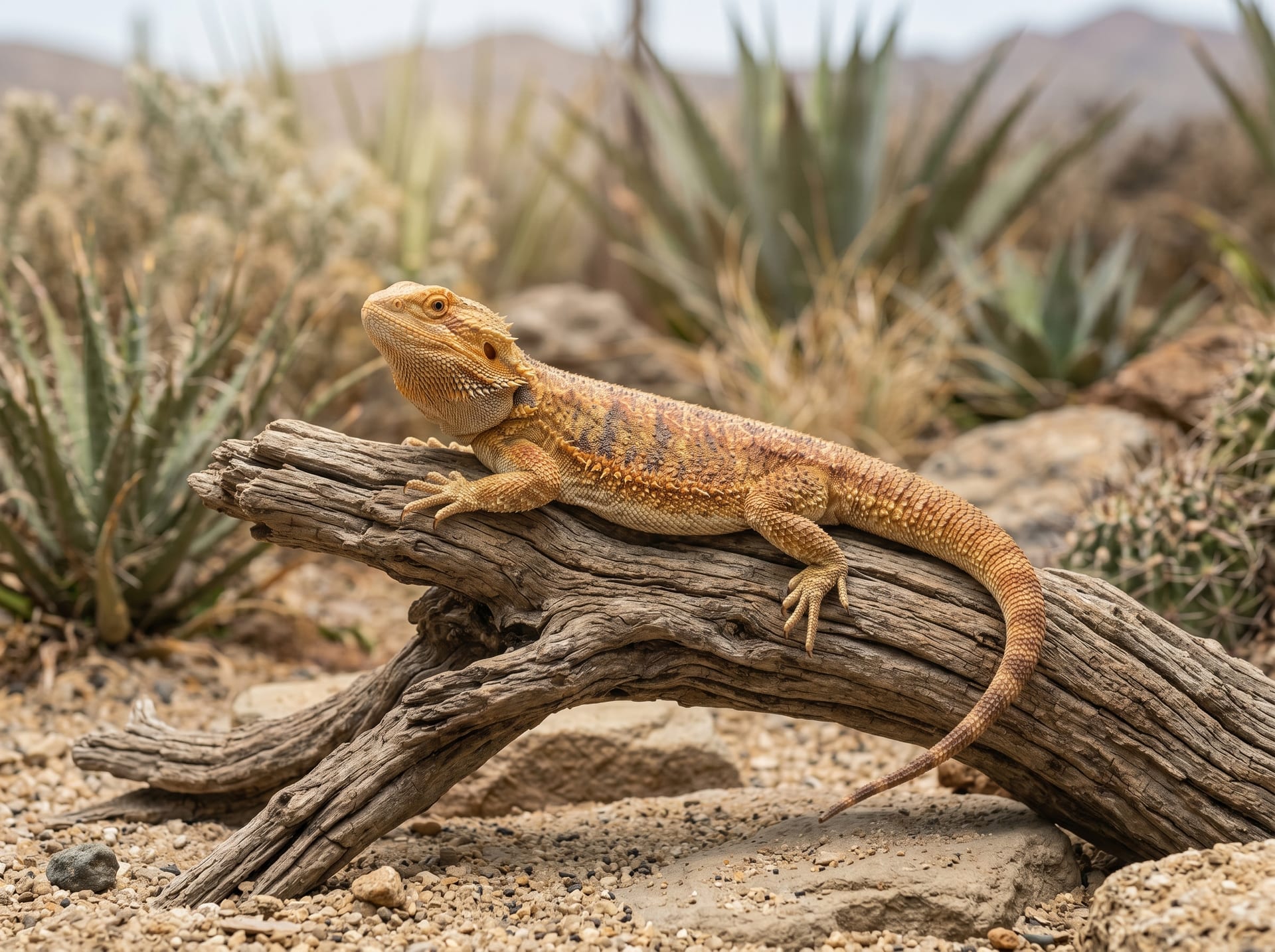
Bearded Dragon Breeding Guide | Pairing, Nesting Substrate, and Egg Incubation Management
A complete guide for those who want to challenge breeding bearded dragons. Detailed explanations covering cooling (hibernation stimulation) methods, nesting substrate preparation, egg incubator management, and baby bearded dragon care.

Key Takeaways
A complete guide for those who want to challenge breeding bearded dragons. Detailed explanations covering cooling (hibernation stimulation) methods, nesting substrate preparation, egg incubator management, and baby bearded dragon care.
Related Species
Breeding bearded dragons is one of the true joys of reptile keeping. However, to succeed, you must properly understand several critical steps, including "cooling," "nesting substrate preparation," and "incubation management." This guide provides practical, detailed procedures from pairing through hatching and baby care.
Important Considerations Before Selecting Breeding Stock
Before attempting breeding, the selection of parent stock is the key to success. Choosing healthy individuals with superior genetics is the first step toward producing healthy hatchlings.
If purchasing directly from a breeder, confirm the following points:
- Health Status: Eyes should be bright and alert, with firm, well-developed limbs. Check for signs of stomatitis (mouth rot) or respiratory infection
- Appetite and Weight: Choose individuals at appropriate weight (males 400–600g, females 350–500g) that eat consistently
- Bloodline and Morph: Understand color morphs and pattern inheritance to predict baby coloration
- Inbreeding Status: Confirm the lineage of parent stock with the breeder, as breeding within the same bloodline increases the risk of deformities
Breeder direct-sales websites often provide detailed information about origin, parent photos, and morph data, and may even include health management history. Pairing individuals sourced from reputable breeders significantly increases breeding success rates.
Cooling (Hibernation Stimulus) to Trigger Breeding
Wild bearded dragons begin breeding during Australia's dry season and cool season. In captivity, we replicate this by performing a temperature reduction process called "cooling."
Cooling Procedure
- Timing: In Japan, cooling is typically performed around November–January
- Pre-cooling Preparation: Reduce feeding 1–2 weeks before cooling to empty the digestive tract (preventing undigested food from rotting in the gut)