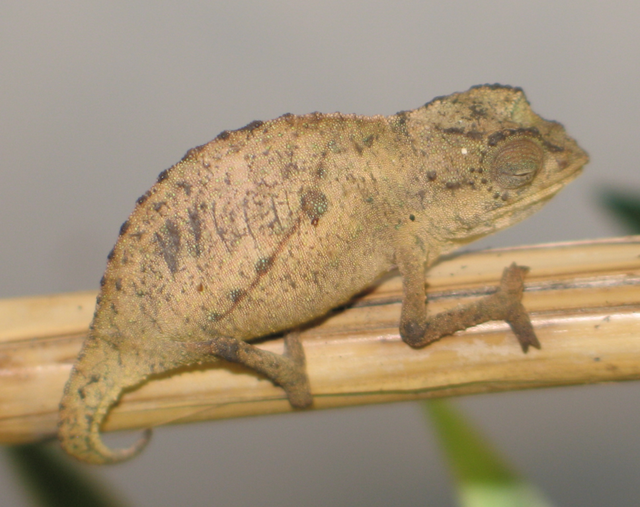
Pygmy Chameleon
The pygmy chameleon is a chameleon so small it can rest in the palm of your hand. Native to the forest floor of Africa, it blends into its surroundings by mimicking fallen leaves rather than climbing high branches like larger chameleon species. Its quiet, secretive nature and leaf-like camouflage give it a charm all its own. Because of its tiny size, it's also more sensitive to environmental changes, requiring careful temperature and humidity control. This makes it a species best suited to keepers who already have reptile-keeping experience and enjoy closely observing a small, understated animal.
View Pygmy Chameleon encyclopedia →0% commission on your first sales!Register by September 30, 2026 and your first 2 sales are commission-free!
Breeder Wanted!
List on BreederDirect and sell directly to customers nationwide!
6 Transparency Promises from Br-Choku
Every Reptiles & Amphibians from verified Breeder breeders includes complete information: morph, genetics, feeding requirements, and temperament details.
- Morph Information
- Actual Photos
- Feeding Information
- Temperament Information
- Genetics Information
- Age (Months)
Browse all 280 breeds
Difficulty Level
Feeding Type
Temperament
Verified breeders wanted for Reptiles & Amphibians
Breeders are signing up now ahead of launch. Subscribe to be notified when new listings go live.
Getting alerts is free with a member account. When new listings match your saved search, we'll notify you by email and in-app.
Browse other categories
Verified breeders (preview)
Are you raising reptiles & amphibians?
Register as a breeder and connect with buyers directly.
Apply as a breederAbout Pygmy Chameleon
Pygmy chameleons are palm-sized leaf-mimics from Africa, reaching 5-8cm with a 2-5 year lifespan. This small chameleon requires advanced, attentive care.
7 things to know before welcoming a Pygmy Chameleon
1Delicate Due to Small Size
Even as adults, pygmy chameleons measure only 5-8cm, so small shifts in temperature or humidity can significantly affect their condition. This is why the species is considered suitable for experienced keepers, requiring close daily observation and management.
2Lives on the Ground, Not Trees
Unlike typical chameleons, pygmy chameleons live mainly among leaf litter and low shrubs on the forest floor rather than up in trees. Enclosure setups should focus on horizontal hiding spots and leaf-litter-like textures rather than height.
3Leaf-Mimicking Coloration
Its brown, leaf-like coloration lets it blend into the forest floor, and it spends much of its time staying still. Because it moves so little, changes in health can be harder to notice, so attentive care is important.
4A Relatively Short 2-5 Year Lifespan
Compared to many other reptiles, the pygmy chameleon has a relatively short lifespan of about 2-5 years. Before bringing one home, it's important to be prepared to care for it responsibly for its entire life.
5Diet Centers on Small Insects
Pygmy chameleons primarily feed on small insects. Choosing prey of an appropriately small size and managing nutritional balance are essential parts of their care.
6A Stress-Sensitive Temperament
Being so small, pygmy chameleons tend to be more sensitive to stress from environmental changes or handling. A quiet setup where you observe from a distance suits them better than frequent physical interaction.
7Prepare the Enclosure Thoroughly First
Before bringing one home, it's important to have the enclosure ready with proper temperature and humidity control, hiding spots, and a reliable source of small insects for food. Bringing one home without adequate preparation can easily lead to health problems.
Frequently asked questions about Pygmy Chameleon
- Q.Can a first-time reptile owner keep a pygmy chameleon?
- A.Pygmy chameleons are considered suitable for advanced keepers, as their small size makes them sensitive to temperature and humidity management. This species is best suited to those who already have reptile-keeping experience.
- Q.How big does a pygmy chameleon get?
- A.Adults reach only about 5-8cm, small enough to rest in the palm of your hand. This makes them considerably smaller than most other chameleon species.
- Q.What is the lifespan of a pygmy chameleon?
- A.Their lifespan is typically around 2-5 years, somewhat shorter than many other reptiles. It's important to be committed to responsible care throughout that time.
- Q.What should I feed a pygmy chameleon?
- A.They mainly eat small insects. Because of their tiny size, it's important to choose appropriately sized prey and pay attention to nutritional balance.
- Q.Are there any CITES restrictions on pygmy chameleons?
- A.Pygmy chameleons are not listed under CITES. This is worth keeping in mind when choosing a species.
Useful tools for Pygmy Chameleon care
Learn more about Pygmy Chameleon in the encyclopedia
View Pygmy Chameleon encyclopedia entry →
Care difficulty, lifespan, size and diet — all basics covered.
Pygmy Chameleon related articles
See more Pygmy Chameleon articles →More in this category
Can't find the one you're looking for?
Post your wishes for free and breeders with matching animals will contact you with introductions.