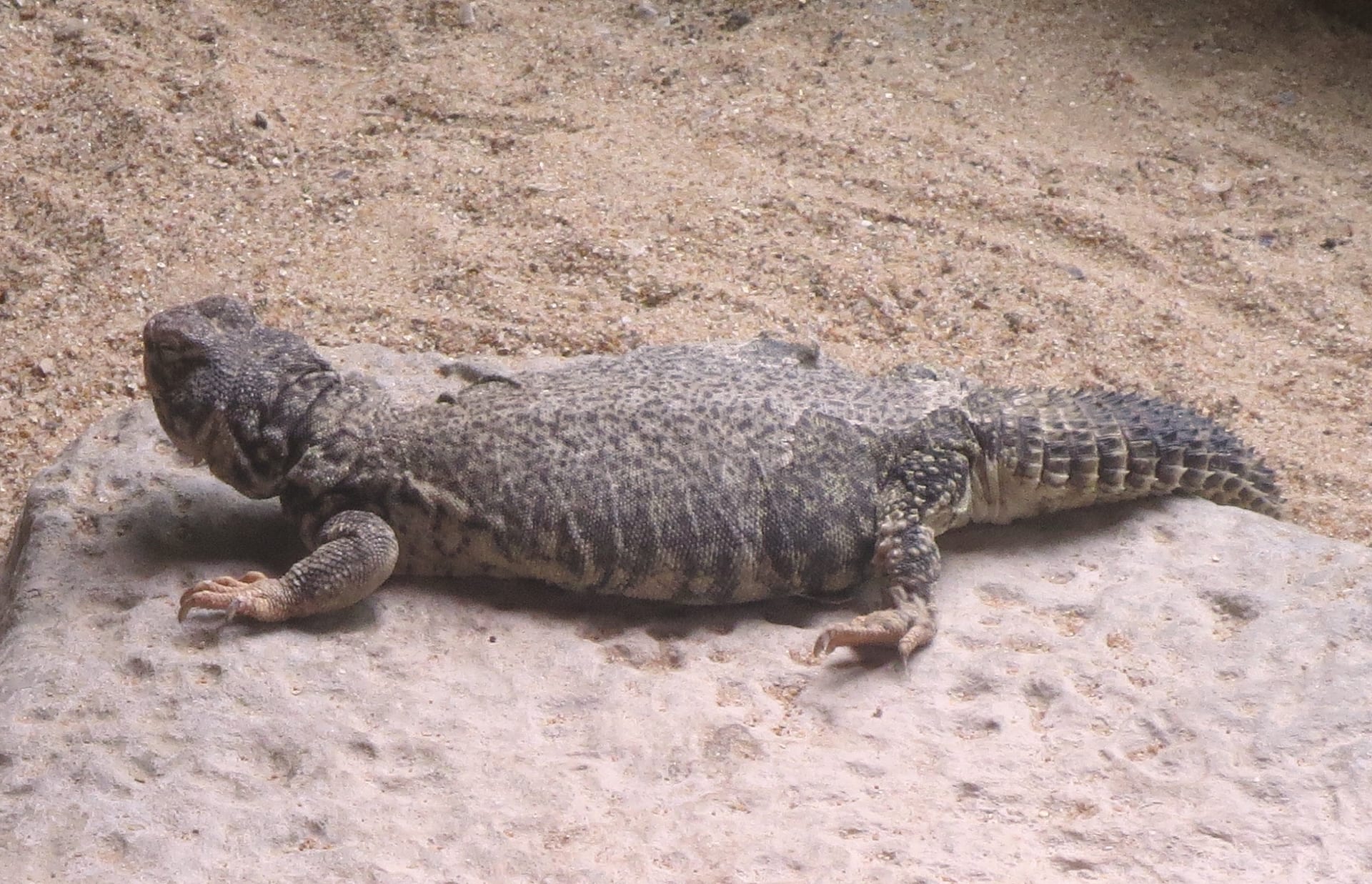
 © Bjoertvedt / CC BY-SA 4.0
Mali Uromastyx
The Mali uromastyx is a striking spiny-tailed lizard known for its bold black-and-yellow patterning. Most animals in the trade belong to the Mali subspecies, which reaches roughly 38 cm in total length at maturity. These lizards are diurnal desert dwellers that love to bask and are often quite active during the day. Some individuals start out wary of people, but many grow calmer with patient, consistent handling over time. Because they need strong UV lighting and a hot basking spot to thrive, they're generally considered a better fit for keepers with some reptile experience. Given proper care, a Mali uromastyx can live 25 years or more, making it a long-term companion.
View Mali Uromastyx encyclopedia →0% commission on your first sales!Register by September 30, 2026 and your first 2 sales are commission-free!
Breeder Wanted!
List on BreederDirect and sell directly to customers nationwide!
6 Transparency Promises from Br-Choku
Every Reptiles & Amphibians from verified Breeder breeders includes complete information: morph, genetics, feeding requirements, and temperament details.
- Morph Information
- Actual Photos
- Feeding Information
- Temperament Information
- Genetics Information
- Age (Months)
Browse all 280 breeds
Difficulty Level
Feeding Type
Temperament
Verified breeders wanted for Reptiles & Amphibians
Breeders are signing up now ahead of launch. Subscribe to be notified when new listings go live.
Getting alerts is free with a member account. When new listings match your saved search, we'll notify you by email and in-app.
Browse other categories
Verified breeders (preview)
Are you raising reptiles & amphibians?
Register as a breeder and connect with buyers directly.
Apply as a breederMali Uromastyx key facts
- Care level
- Intermediate
- Lifespan
- Over 25 years under good care; the maximum recorded longevity in captivity is 17 years
- Size
- Total length about 38cm in U. d. maliensis and the nominate form; U. d. flavifasciata reaches 50cm
- Temperature
- Humidity
- 30%
- Diet
- Leafy greens, wild plants such as dandelion and clover, birdseed and prepared herbivorous-lizard diets
- Temperature & Humidity
- Set a lamp that supplies both heat and UVB, such as a mercury vapour bulb, so that the basking surface reaches about 46 C. Temperatures may fall outside the lit hours; while the lights are on, the air in the enclosure should climb to around 29-32 C.
- Enclosure
- Aim for humidity below 30 per cent, although the lizard tolerates somewhat more as long as the cage is dry and the temperature is right. An adult wants an enclosure at least 120 cm long, 60 cm deep and 35 cm high. Use a fine, rounded plant-based granular bedding or reptile sand, and provide hides.
- Diet & Feeding
- Herbivorous: build the diet on leafy greens such as komatsuna and on wild plants like dandelion and clover. Birdseed, prepared herbivorous-lizard diets and vegetables such as carrot and squash can be added. It need not be fed every day.
- Temperament
- A threatened animal lashes its tail, hisses and bolts for a burrow. Captive animals also swing the tail when touched, and the spines hurt. A sluggish lizard usually means the enclosure is not warm enough.
- Notes
- The genus Uromastyx has been on CITES Appendix II since 4 February 1977. Appendix II species need no individual registration certificate in Japan, and the lizard is neither a designated dangerous animal nor an invasive alien species. It is eaten within its range, where the meat of the thick tail is especially prized.
About Mali Uromastyx
Mali uromastyx: a black-and-yellow spiny-tailed lizard reaching about 38 cm, living 25+ years with proper care. Best suited to keepers with some reptile experience.
7 things to know before welcoming a Mali Uromastyx
1High Heat & UVB Needs
As a desert-dwelling species, Mali uromastyx need intense UVB lighting and a very hot basking spot to stay healthy. Set up a strong temperature gradient in the enclosure so they can properly bask and thermoregulate.
2Dry Substrate & Digging
In the wild these lizards dig burrows in rocky, sandy ground, so a diggable substrate and hides help them settle in captivity. They don't tolerate high humidity well, so keep the enclosure on the dry side.
3A Mostly Plant-Based Diet
Mali uromastyx are largely herbivorous, relying mainly on vegetables and leafy greens rather than insects. Plan a consistent, nutritionally balanced plant-based menu for them.
4Individual Temperaments Vary
Newly acquired animals often flee or display defensively at first. With patience and gradual, low-stress exposure to handling, many individuals grow noticeably calmer over time.
5Plan Enough Enclosure Space
Adults reach about 38 cm in total length, so it's worth planning for their full adult size from the start rather than upgrading later. They're active movers, so give them room to explore.
6A Long-Term Commitment
With proper care, Mali uromastyx can live 25 years or more, so bringing one home means committing to years of consistent care. Consider how your lifestyle might change over that time.
7Best Kept Alone
These lizards are territorial, and males in particular tend to fight if housed together. Solitary housing is generally recommended, with pairing only considered carefully.
Frequently asked questions about Mali Uromastyx
- Q.Is the Mali uromastyx suitable for beginners?
- A.Mali uromastyx are generally considered an intermediate-level species, since they need strong UVB lighting and a very hot basking spot. Some prior reptile-keeping experience is recommended.
- Q.How big do they get, and how long do they live?
- A.Adults reach about 38 cm in total length. With proper care they can live 25 years or more, though the longest recorded captive lifespan is 17 years.
- Q.What should I feed a Mali uromastyx?
- A.Their diet should center on vegetables and leafy greens, since they are primarily herbivorous. Consistency and nutritional balance matter more than variety for its own sake.
- Q.Will it get used to being handled?
- A.This varies by individual, but many are wary at first. With patient, low-stress handling over time, quite a few become noticeably calmer.
- Q.Are there any legal restrictions on keeping or importing this species?
- A.Mali Uromastyx is listed in CITES Appendix II. International trade requires a permit from the exporting country, but as far as CITES is concerned, no registration is needed to buy or sell individuals already legally in Japan.
Useful tools for Mali Uromastyx care
Learn more about Mali Uromastyx in the encyclopedia
View Mali Uromastyx encyclopedia entry →
Care difficulty, lifespan, size and diet — all basics covered.
More in this category
Can't find the one you're looking for?
Post your wishes for free and breeders with matching animals will contact you with introductions.