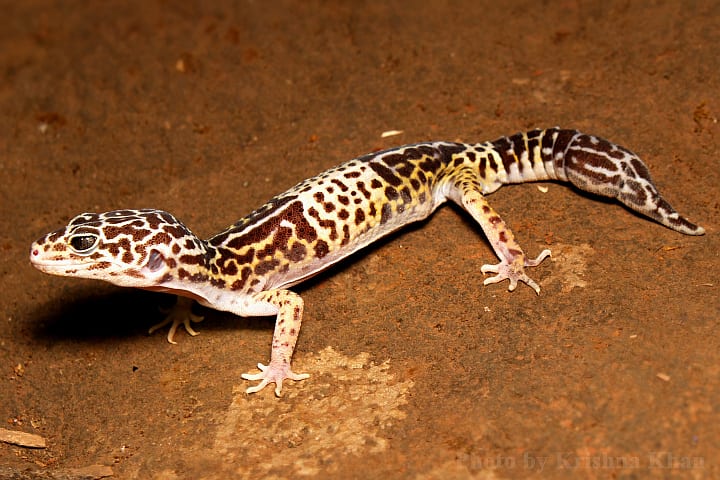
 © Ashahar alias Krishna Khan / CC BY-SA 4.0
West Indian Leopard Gecko
The West Indian Leopard Gecko is a large gecko native to western India, reaching a body length of up to 252mm and known for its sturdy, robust build that sets it apart among the leopard gecko family. It is nocturnal and ground-dwelling, resting quietly in hiding during the day and becoming active at night. In the wild it is known to prey on arthropods such as scorpions, combining strong jaws with a generally calm temperament. Its impressive size and distinctive markings make it an appealing species for keepers with some reptile-keeping experience.
View West Indian Leopard Gecko encyclopedia →0% commission on your first sales!Register by September 30, 2026 and your first 2 sales are commission-free!
Breeder Wanted!
List on BreederDirect and sell directly to customers nationwide!
6 Transparency Promises from Br-Choku
Every Reptiles & Amphibians from verified Breeder breeders includes complete information: morph, genetics, feeding requirements, and temperament details.
- Morph Information
- Actual Photos
- Feeding Information
- Temperament Information
- Genetics Information
- Age (Months)
Browse all 280 breeds
Difficulty Level
Feeding Type
Temperament
Verified breeders wanted for Reptiles & Amphibians
Breeders are signing up now ahead of launch. Subscribe to be notified when new listings go live.
Getting alerts is free with a member account. When new listings match your saved search, we'll notify you by email and in-app.
Browse other categories
Verified breeders (preview)
Are you raising reptiles & amphibians?
Register as a breeder and connect with buyers directly.
Apply as a breederWest Indian Leopard Gecko key facts
- Care level
- Intermediate
- Lifespan
- 12-18 years
- Size
- Up to 252mm snout-vent length
- Temperature
- Humidity
- 30〜40%
- Diet
- Crickets, dubia roaches and other insects; in the wild scorpions and other arthropods
- Temperature & Humidity
- Husbandry records specific to this species are limited, so follow the guideline values for its congener, the leopard gecko: a basking surface of 34-36C, 32-33C inside the warm hide, a cool side of 21-25C and night-time temperatures never below 16C. Keep ambient humidity at 30-40 per cent and always provide a humid hide with moistened substrate at 70-80 per cent inside.
- Enclosure
- It is a nocturnal, ground-dwelling gecko, so use a horizontally oriented enclosure that prioritises floor area. Provide snug hides on both the warm and cool sides plus a humid hide with moistened substrate. Do not line the humid hide with sphagnum moss or paper towel, as these have been swallowed accidentally during shedding. It is a large member of the genus, so allow generous floor area.
- Diet & Feeding
- It is insectivorous and is fed crickets, dubia roaches and waxworms. Gut-load the feeders and dust them with calcium. In the wild it takes scorpions and other arthropods.
- Temperament
- It is nocturnal and terrestrial, spending the day in a hide. It sheds its tail, so never handle it by the tail. Males fight and must not be housed together.
- Notes
- The species is not listed in the CITES appendices, and it is neither a specified animal nor an invasive alien species under Japanese law. Its eggs show temperature-dependent sex determination, so incubation temperature shifts the sex ratio when breeding. It is little traded and species-specific husbandry information is scarce, so refine temperature and humidity carefully from measured readings.
About West Indian Leopard Gecko
The West Indian Leopard Gecko is a large, robust gecko native to western India, growing up to 252mm in body length. A nocturnal, ground-dwelling species suited to intermediate keepers.
7 things to know before welcoming a West Indian Leopard Gecko
1Large, Robust Build
With a body length reaching up to 252mm, this gecko is one of the larger, sturdier members of the leopard gecko family. Plan for an enclosure that can accommodate its size as it grows.
2Nocturnal Lifestyle
This gecko rests quietly in its shelter during the day and becomes active at night. If you want to observe it, evening to nighttime hours are the best time to watch.
3Ground-Dwelling, Substrate Matters
As a terrestrial species, it needs an enclosure with enough floor space to move around and substrate that helps maintain humidity. Excessive dryness can lead to shedding problems.
4Feeds on Arthropods
In the wild, this species is known to prey on arthropods such as scorpions. In captivity, its diet should center on insects like crickets, with attention to overall nutritional balance.
5Hides and Temperature Gradient
Provide multiple hiding spots within the enclosure and create a temperature gradient to help it regulate its condition. Appropriate heating equipment is essential for maintaining a suitable temperature range.
6Suited to Intermediate Keepers
This species is considered suitable for keepers with some basic reptile-keeping experience. It's a good idea to learn about temperature, humidity, and feeding requirements before bringing one home.
7Calm Temperament
Despite its sturdy build, many individuals are said to have a relatively calm temperament. That said, individual personalities vary, so it's best to let it acclimate gradually rather than handling it forcefully.
Frequently asked questions about West Indian Leopard Gecko
- Q.Is this gecko suitable for beginners?
- A.The West Indian Leopard Gecko is generally considered a species for intermediate keepers. It suits those with some basic reptile-keeping knowledge, so first-time keepers should research temperature, humidity, and diet thoroughly before bringing one home.
- Q.How long do they live?
- A.Lifespan can vary depending on the individual and its care environment, so it's difficult to give a single figure. Keeping a close eye on its health and maintaining a suitable environment is key to a long relationship with this gecko.
- Q.What should I feed it?
- A.In the wild, this species is known to prey on arthropods such as scorpions, but in captivity it's commonly fed insects like crickets. Supplementing with nutritional additives is also recommended.
- Q.Is it subject to CITES regulation?
- A.The West Indian Leopard Gecko is not subject to CITES. It's still worth keeping this in mind when preparing to bring one home.
- Q.What kind of setup does it need?
- A.Given its ground-dwelling, nocturnal nature, provide a spacious enclosure with substrate, several hiding spots, and heating equipment that creates a temperature gradient. Paying attention to humidity also helps prevent issues like incomplete shedding.
Useful tools for West Indian Leopard Gecko care
Learn more about West Indian Leopard Gecko in the encyclopedia
View West Indian Leopard Gecko encyclopedia entry →
Care difficulty, lifespan, size and diet — all basics covered.
More in this category
Can't find the one you're looking for?
Post your wishes for free and breeders with matching animals will contact you with introductions.