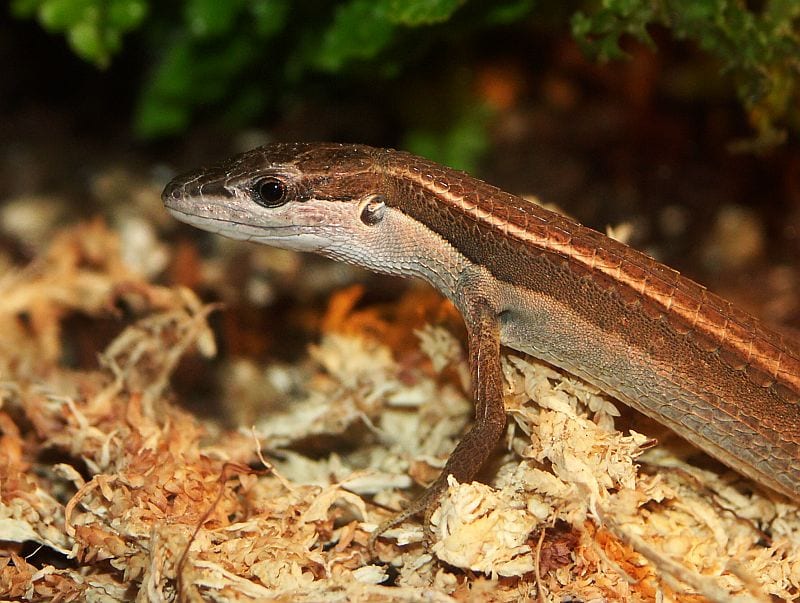
 © -- Acapella 15:15, 31 December 2006 (UTC) / CC BY-SA 3.0
Asian Grass Lizard
The Asian grass lizard is instantly recognizable for its extraordinarily long tail, which measures more than three times its body length — among the highest tail-to-body ratios of any lizard. Its slender frame is marked with white, brown, and black stripes, with males typically showing bolder contrast between the bands. Quick and alert, it moves gracefully through planted, grass-like enclosures, making it a rewarding species to watch rather than handle. Because of its delicate build, it suits keepers who enjoy a hands-off, observation-focused style of care.
View Asian Grass Lizard encyclopedia →0% commission on your first sales!Register by September 30, 2026 and your first 2 sales are commission-free!
Breeder Wanted!
List on BreederDirect and sell directly to customers nationwide!
6 Transparency Promises from Br-Choku
Every Reptiles & Amphibians from verified Breeder breeders includes complete information: morph, genetics, feeding requirements, and temperament details.
- Morph Information
- Actual Photos
- Feeding Information
- Temperament Information
- Genetics Information
- Age (Months)
Browse all 280 breeds
Difficulty Level
Feeding Type
Temperament
Verified breeders wanted for Reptiles & Amphibians
Breeders are signing up now ahead of launch. Subscribe to be notified when new listings go live.
Getting alerts is free with a member account. When new listings match your saved search, we'll notify you by email and in-app.
Browse other categories
Verified breeders (preview)
Are you raising reptiles & amphibians?
Register as a breeder and connect with buyers directly.
Apply as a breederAsian Grass Lizard key facts
- Care level
- Intermediate
- Lifespan
- 3-5 years
- Size
- Over 30cm total length (SVL about 8cm, tail more than three times the SVL)
- Diet
- Carnivorous, mainly small insects
- Temperature & Humidity
- A diurnal species of tall grassland and the herb layer of open forest. For breeding, animals are said to come into condition after a cooler, drier period followed by frequent misting to raise humidity, and eggs hatch in 40-50 days at around 25 C.
- Enclosure
- Because it climbs thin grass stems, height and a dense array of perches matter more than floor area. Set thin branches, dried grasses and bamboo vertically and closely so it has routes to climb, and allow depth as well so that its extremely long tail is not damaged. It is very quick, so guard against escapes when opening the enclosure.
- Diet & Feeding
- It feeds mainly on small insects and swallows even fairly large prey whole. In captivity offer fruit flies, small crickets and roach nymphs, dusted with calcium and vitamin supplements. After a meal it cleans its mouth thoroughly with its long, mobile tongue.
- Temperament
- Quick and highly strung. Intraspecific territoriality is weak in both sexes, so it is easy to keep in groups given enough space and perches. Males can pursue females persistently in the breeding season, however, so keep more females than males or separate them temporarily. It autotomises the tail when threatened; the tail regrows and the loss is said to have little effect on health.
- Notes
- Not listed on any CITES appendix. The IUCN assesses it as Least Concern. It appears neither on the schedule of designated dangerous animals under the Order for Enforcement of the Act on Welfare and Management of Animals nor on Japan's list of invasive alien species. The extremely long tail is both the species' great attraction and its most fragile part, so avoid cramped enclosures and rough handling. Its range is wide and two subspecies are recognised, so the presence of flank spots varies with provenance.
About Asian Grass Lizard
The Asian grass lizard is a slender lizard known for its tail exceeding three times its body length, marked with white, brown, and black stripes. Best suited to intermediate keepers.
7 things to know before welcoming a Asian Grass Lizard
1Handling the Extremely Long Tail
The tail makes up the majority of the body length, at more than three times the head-to-body length. Avoid grabbing it or letting it get pinched in tight gaps within the enclosure, and always give it room to extend fully when arranging decor or moving the animal.
2A Slender, Delicate Build
Its slim body type means it tends to be somewhat less tolerant of environmental swings than hardier lizard species. Avoiding sudden changes in temperature or humidity and keeping conditions stable helps support its wellbeing.
3Suited to Intermediate Keepers
This species is generally considered suitable for intermediate keepers. Having prior experience with reptile care basics — temperature gradients, humidity management, and UV lighting — makes it easier to notice subtle changes in condition.
4A Grass-Like Layout Is Essential
True to its name, this species favors grassy environments and tends to hide among thin foliage and leaf cover. Fill the enclosure generously with plants — live or artificial — and provide multiple hiding spots.
5A Shy Temperament Best Observed From Afar
It tends to be sensitive to sudden noises and movement, so frequent handling isn't a good fit. This species is better enjoyed by watching its natural behavior within a well-planted setup rather than through direct interaction.
6Watch for Escapes and Tail Loss
Being slender and quick, it can slip through even small gaps in an enclosure. Check lids and doors carefully for openings, and avoid startling handling that could trigger tail autotomy.
7What to Confirm Before Bringing One Home
Before bringing one home, prepare an enclosure spacious enough for the long tail to extend fully, along with planted hiding spots. Set up the habitat layout in advance of the animal's arrival.
Frequently asked questions about Asian Grass Lizard
- Q.Given the long tail, how much enclosure space is needed?
- A.With a total length of over 30cm and a tail exceeding three times the body length, an enclosure sized to let the animal move comfortably even with its tail fully extended is recommended. Factor in extra space for planting as well.
- Q.Can beginners keep this species?
- A.This species is generally rated as suitable for intermediate keepers. It's recommended to understand reptile care basics — temperature, humidity, and UV lighting — before bringing one home.
- Q.Can I handle it often like a pet?
- A.Many individuals tend to be shy, so frequent handling isn't ideal. Given the risk of tail loss, this species is better suited to being observed naturally within its habitat rather than handled often.
- Q.Is this species subject to CITES regulation?
- A.The Asian grass lizard is not subject to CITES.
- Q.Do I need to take precautions against escapes?
- A.Being slender and quick-moving, it can escape through small gaps in lids or doors. It's important to carefully check the enclosure for openings before bringing one home.
Useful tools for Asian Grass Lizard care
Learn more about Asian Grass Lizard in the encyclopedia
View Asian Grass Lizard encyclopedia entry →
Care difficulty, lifespan, size and diet — all basics covered.
More in this category
Can't find the one you're looking for?
Post your wishes for free and breeders with matching animals will contact you with introductions.