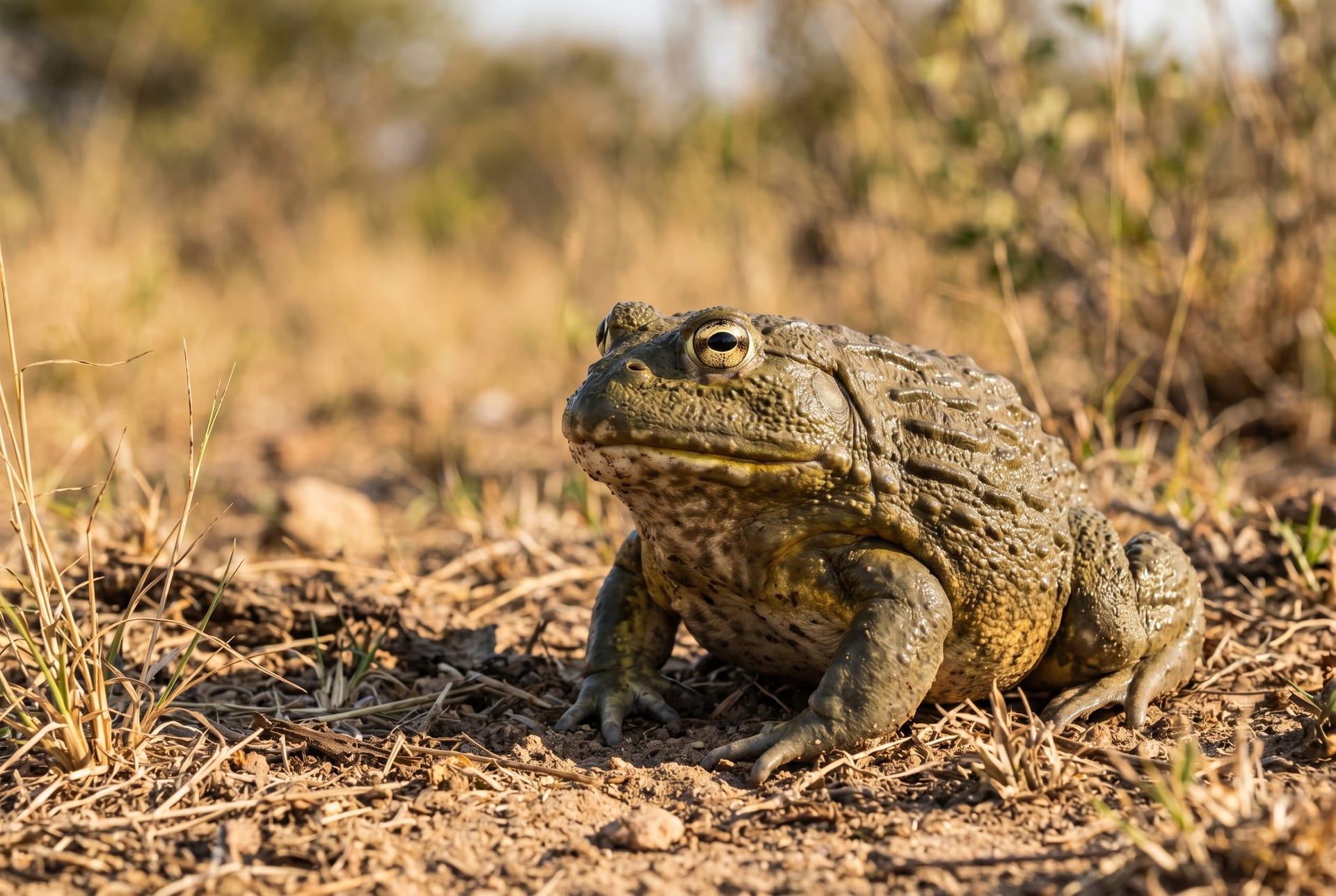
African Bullfrog
The African Bullfrog, often nicknamed the "sumo wrestler of frogs," is a large, heavyweight species with a sturdy olive-colored body and a wide mouth that give it real presence. It tends to stay calm and still for long stretches, showing an unfazed, laid-back temperament that many keepers enjoy watching. Known for being hardy and long-lived, it can make a companion for many years to come. It is a distinct species from the bullfrog classified as an invasive species, and can be kept as a pet. Considered a good match for intermediate keepers, it settles in well once the basics of its care are covered.
View African Bullfrog encyclopedia →0% commission on your first sales!Register by September 30, 2026 and your first 2 sales are commission-free!
Breeder Wanted!
List on BreederDirect and sell directly to customers nationwide!
6 Transparency Promises from Br-Choku
Every Reptiles & Amphibians from verified Breeder breeders includes complete information: morph, genetics, feeding requirements, and temperament details.
- Morph Information
- Actual Photos
- Feeding Information
- Temperament Information
- Genetics Information
- Age (Months)
Browse all 280 breeds
Difficulty Level
Feeding Type
Temperament
Verified breeders wanted for Reptiles & Amphibians
Breeders are signing up now ahead of launch. Subscribe to be notified when new listings go live.
Getting alerts is free with a member account. When new listings match your saved search, we'll notify you by email and in-app.
Browse other categories
Verified breeders (preview)
Are you raising reptiles & amphibians?
Register as a breeder and connect with buyers directly.
Apply as a breederAbout African Bullfrog
The African Bullfrog is a large, hardy frog known as the "sumo wrestler of frogs," with a sturdy olive body, wide mouth, and long lifespan. Well suited to intermediate keepers.
7 things to know before welcoming a African Bullfrog
1Grows Quite Large
Adults reach 12-20cm, with males sometimes growing up to 24cm. Make sure to prepare an enclosure roomy enough for its stocky, substantial build.
2A Hearty Appetite
With its wide mouth, it lunges eagerly at anything moving nearby and has a big appetite. It should be housed alone, since keeping multiple frogs together risks cannibalism.
3Hardy and Long-Lived
With a lifespan of 15-25 years, it's one of the longer-lived amphibians you can keep. It's also fairly hardy, but be prepared for a long-term care commitment.
4An Unfazed Temperament
It often burrows or sits still, showing a calm, unbothered temperament. Its laid-back presence makes for relaxed viewing.
5Managing Humidity
Keeping the substrate appropriately moist is essential to prevent its skin from drying out. At the same time, good drainage is needed to avoid excess dampness that can affect its health.
6Watch Its Strong Jaws
Its wide mouth and strong jaws mean it may bite if approached carelessly with bare hands. Handle it calmly and with care.
7Plan for the Long Term
Given its adult size and lifespan of 15+ years, it helps to plan ahead for where to keep it and how the enclosure setup might need to grow over time.
Frequently asked questions about African Bullfrog
- Q.Is it the same species as the invasive bullfrog?
- A.No, it's a different species. It is distinct from the bullfrog classified as an invasive species, and can be kept as an African Bullfrog.
- Q.Can it be housed with other frogs?
- A.It's generally recommended to keep it alone. Its strong appetite means it may see anything small enough to fit in its mouth as prey, making cohabitation unsuitable.
- Q.Is it suitable for beginners?
- A.It's considered suited to intermediate keepers. Some prior experience with amphibian care makes it easier to manage its environment smoothly.
- Q.How large does it get?
- A.Adults typically reach 12-20cm, with males sometimes growing up to about 24cm, making it a fairly large frog.
- Q.What is its lifespan?
- A.It typically lives 15-25 years, making it one of the longer-lived amphibians. Consider a long-term care plan before bringing one home.
Useful tools for African Bullfrog care
Learn more about African Bullfrog in the encyclopedia
View African Bullfrog encyclopedia entry →
Care difficulty, lifespan, size and diet — all basics covered.
More in this category
Can't find the one you're looking for?
Post your wishes for free and breeders with matching animals will contact you with introductions.