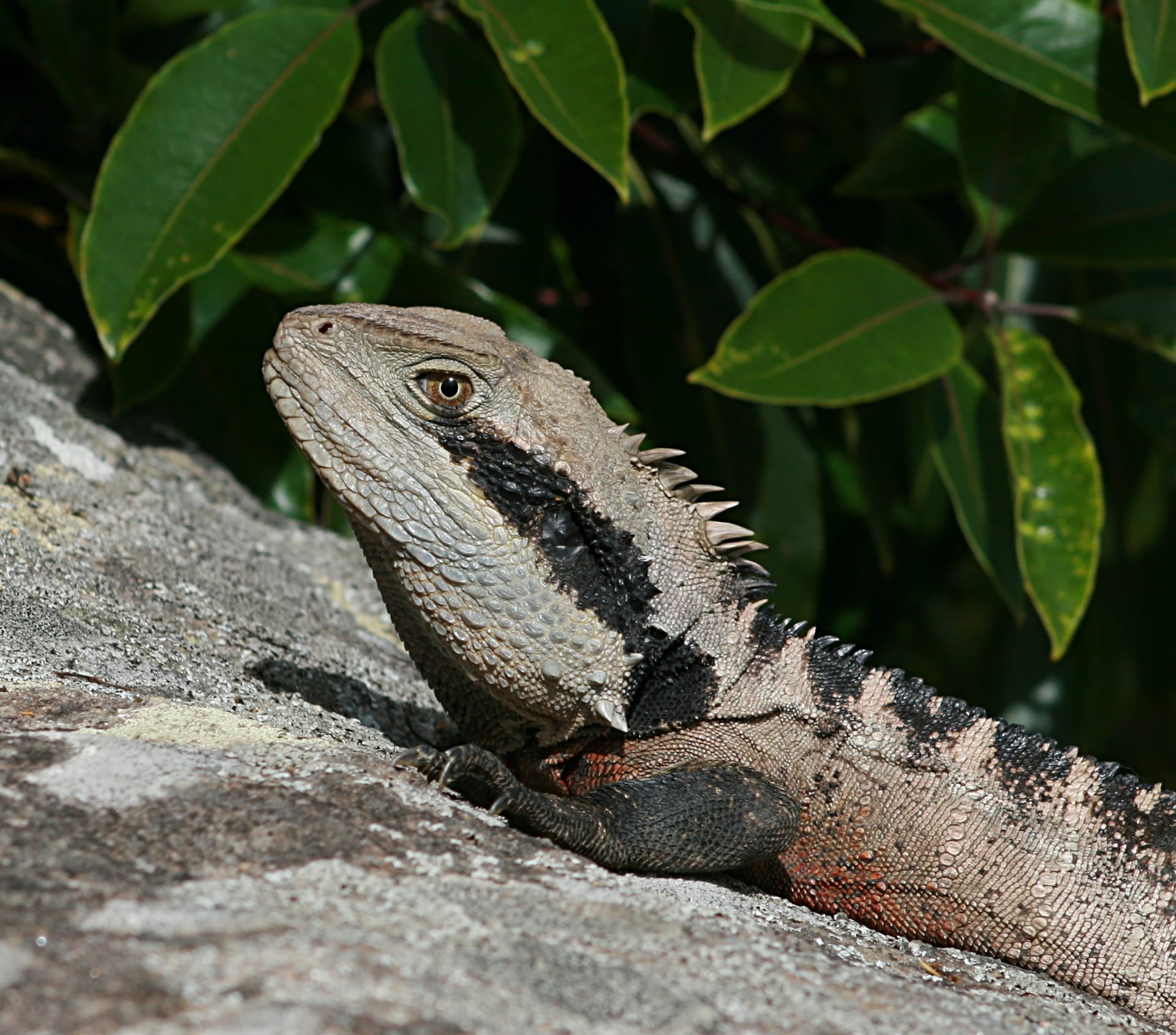
 © Toby Hudson / CC BY-SA 3.0
Eastern Water Dragon
The Eastern Water Dragon is a large, semi-aquatic agamid lizard native to the rivers and ponds of eastern Australia. A crest of spiny, mane-like scales runs from the neck down the back and tail, growing especially prominent in males. Its flattened tail makes it a strong swimmer, and when startled it will dive straight into the water without hesitation — a dramatic, characterful trait. Calm by nature, individuals often grow more relaxed around people once settled into their enclosure. Adults reach roughly 70cm in total length, so this striking, athletic species suits keepers with intermediate experience who can provide a spacious enclosure with a real water feature.
View Eastern Water Dragon encyclopedia →0% commission on your first sales!Register by September 30, 2026 and your first 2 sales are commission-free!
Breeder Wanted!
List on BreederDirect and sell directly to customers nationwide!
6 Transparency Promises from Br-Choku
Every Reptiles & Amphibians from verified Breeder breeders includes complete information: morph, genetics, feeding requirements, and temperament details.
- Morph Information
- Actual Photos
- Feeding Information
- Temperament Information
- Genetics Information
- Age (Months)
Browse all 280 breeds
Difficulty Level
Feeding Type
Temperament
Verified breeders wanted for Reptiles & Amphibians
Breeders are signing up now ahead of launch. Subscribe to be notified when new listings go live.
Getting alerts is free with a member account. When new listings match your saved search, we'll notify you by email and in-app.
Browse other categories
Verified breeders (preview)
Are you raising reptiles & amphibians?
Register as a breeder and connect with buyers directly.
Apply as a breederEastern Water Dragon key facts
- Care level
- Intermediate
- Lifespan
- 15-20 years
- Size
- About 70cm total length (SVL up to 24.5cm, tail about 2.5 times SVL)
- Diet
- Omnivorous with a strong animal bias: insects, aquatic animals such as frogs, small reptiles, birds and mammals, and fruit
- Temperature & Humidity
- It favours warm, humid conditions by the water, so the whole enclosure needs heating. In parts of its natural range, however, winter temperatures average about 4 C at night and 16 C by day for several months, and reproducing this brumation is considered important if you intend to breed. Let the animals empty their digestive tracts for about a week before they go into brumation.
- Enclosure
- It needs a large enclosure with a water container deep enough to submerge in and branches overhanging the water. Startled animals dash about and damage their snouts, so site the enclosure somewhere quiet and screen it with a cover if necessary. For breeding, use a nest box of roughly 90 x 60 x 60 cm with about 30 cm of nesting substrate.
- Diet & Feeding
- Omnivorous with a strong animal bias, taking insects and aquatic animals such as frogs as well as small reptiles, birds and mammals, plus small amounts of fruit and berries. In captivity use feeder insects as the staple with mice and fish alongside and a little fruit. Dust with calcium and vitamin supplements, and provide UVB for this diurnal species.
- Temperament
- Wary, escaping by plunging into water when startled. Raised from a juvenile it becomes accustomed to people and surroundings, and some individuals will take food from the hand. Probably because only captive-bred animals are traded, it is said to dash about its enclosure less than the Chinese water dragon. Do not house males together.
- Notes
- Listed on CITES Appendix III as Intellagama spp. at Australia's request, effective 22 June 2022. Appendix III requires an export permit from the listing state and a certificate of origin from other states; no Japanese registration certificate is needed. Australia bans the export of its native wildlife, so legitimately traded animals are captive-bred. The IUCN assesses it as Least Concern. Adults reach 70 cm, so keeping one for life calls for substantial housing.
About Eastern Water Dragon
A guide to the Eastern Water Dragon, a large semi-aquatic agamid from eastern Australia with a spiny crest and a flattened, powerful swimming tail. Adults reach about 70cm — an intermediate-level lizard. Covers traits, temperament, and what to know before bringing one home.
7 things to know before welcoming a Eastern Water Dragon
1A Large Enclosure Is Essential
Adults reach about 70cm in total length, so they need a spacious, tall enclosure that includes both floor space and sturdy climbing branches. In cramped conditions they can't move properly, which may lead to stress or poor growth. Plan for their adult size before bringing one home.
2Provide a Real Water Feature
As a semi-aquatic species that swims skillfully using its flattened tail, it needs a large water container or pool-like area big enough to fully submerge in. Keep the water clean with regular changes and filtration to support its health.
3Strong UVB Lighting Needed
This sun-loving species requires strong reptile-grade UVB lighting along with a basking light to recreate proper heat and light conditions. Adjust the UV strength and distance while monitoring the actual temperature inside the enclosure.
4Manage Temperature and Humidity
Coming from warm, waterside habitats, they need a temperature gradient between a warm basking spot and a cooler area, plus adequate humidity. Review your setup as seasons or enclosure placement change.
5Expect Early Wariness
Newly introduced dragons are often sensitive to sound and movement, and may bolt or dive into water when startled. Many individuals take time to settle, so build trust gradually rather than rushing the process.
6Omnivorous, Balance Matters
They eat a mix of insects, vegetables, and occasionally small prey, with diet preferences shifting as they grow. Aim for a balanced feeding plan to avoid picky eating and nutritional gaps.
7Plan for Escapes and Long-Term Care
Their strong build and active nature mean a loosely secured or poorly latched enclosure carries a real escape risk. They're a long-term commitment, so plan your setup around how much they'll grow.
Frequently asked questions about Eastern Water Dragon
- Q.Can beginners keep an Eastern Water Dragon?
- A.This species is generally considered suitable for intermediate keepers rather than first-timers. You'll need to set up a large enclosure, a proper water feature, and UVB lighting before bringing one home.
- Q.How big do they grow?
- A.Adults reach a total length of about 70cm. Snout-vent length tops out around 24.5cm, with the tail making up roughly 2.5 times that length.
- Q.Is it true they go into the water?
- A.Yes — they're semi-aquatic and swim using their flattened tail. They're often seen entering the water when startled or simply to rest.
- Q.Are they calm or more high-strung?
- A.They're generally considered calm once settled, but tend to be quite wary at first, darting away or diving into water when startled. Many become more relaxed around people as they get used to their environment.
- Q.What should I prepare before bringing one home?
- A.You'll need a large enclosure with climbing branches, a water area big enough to fully submerge in, and both UVB and basking lighting. It's best to set everything up with their eventual adult size in mind from the start.
Useful tools for Eastern Water Dragon care
Learn more about Eastern Water Dragon in the encyclopedia
View Eastern Water Dragon encyclopedia entry →
Care difficulty, lifespan, size and diet — all basics covered.
More in this category
Can't find the one you're looking for?
Post your wishes for free and breeders with matching animals will contact you with introductions.