 © User:Haplochromis / CC BY-SA 3.0
Honduran Milk Snake
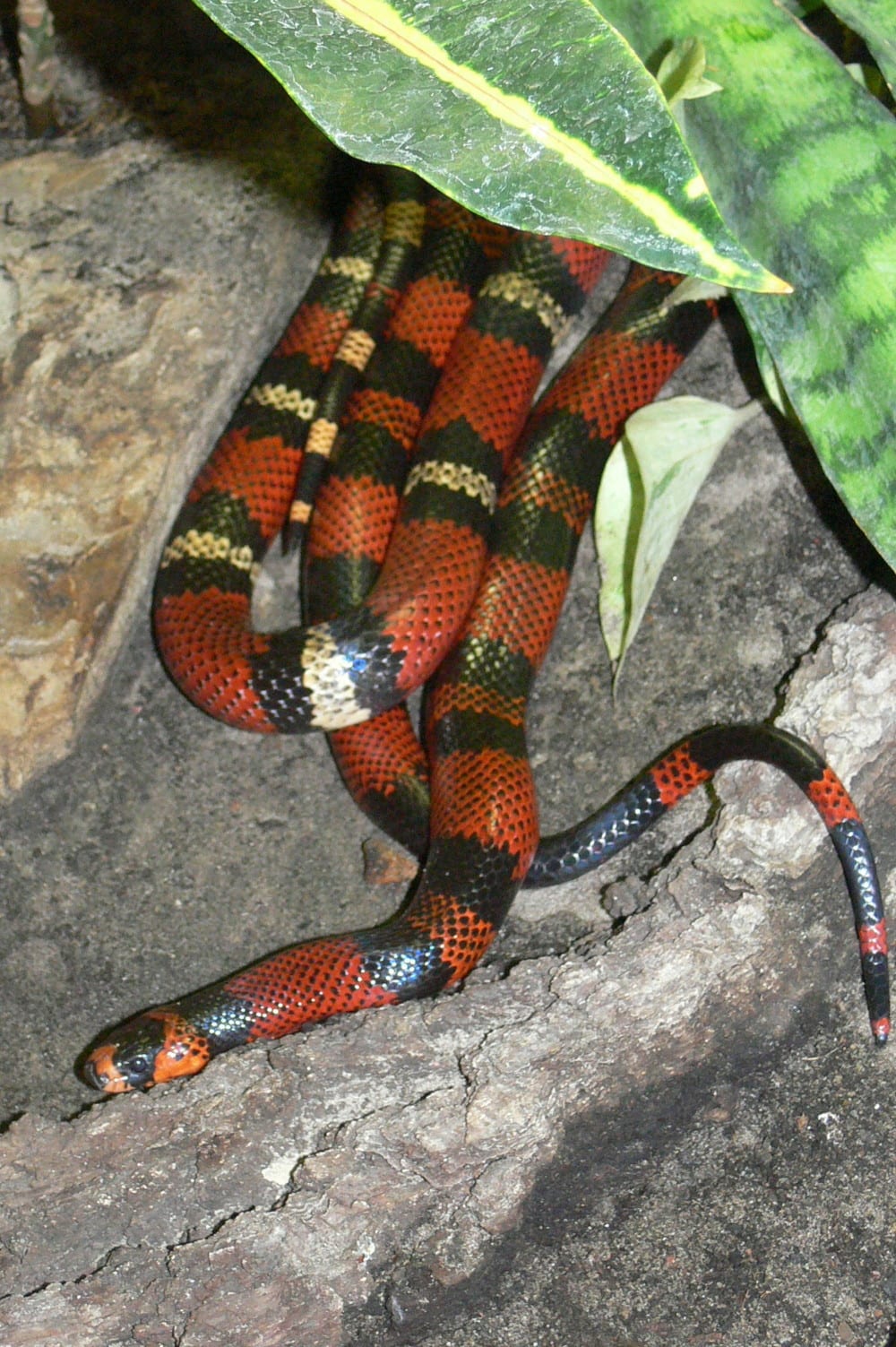
The Honduran Milk Snake is a striking large-bodied milk snake wrapped in bold red, black, and yellow (or orange) bands. Adults reach 122 to 152 cm in length and are powerful constrictors within their genus, yet they're generally calm and tolerate handling well. Hardy and reliable feeders, they're a popular choice for first-time snake keepers. With a lifespan of 20 years or more, they're a long-term commitment worth planning for before bringing one home.
View Honduran Milk Snake encyclopedia →0% commission on your first sales!Register by September 30, 2026 and your first 2 sales are commission-free!
Breeder Wanted!
List on BreederDirect and sell directly to customers nationwide!
6 Transparency Promises from Br-Choku
Every Reptiles & Amphibians from verified Breeder breeders includes complete information: morph, genetics, feeding requirements, and temperament details.
- Morph Information
- Actual Photos
- Feeding Information
- Temperament Information
- Genetics Information
- Age (Months)
Browse all 280 breeds
Difficulty Level
Feeding Type
Temperament
Verified breeders wanted for Reptiles & Amphibians
Breeders are signing up now ahead of launch. Subscribe to be notified when new listings go live.
Getting alerts is free with a member account. When new listings match your saved search, we'll notify you by email and in-app.
Browse other categories
Verified breeders (preview)
Are you raising reptiles & amphibians?
Register as a breeder and connect with buyers directly.
Apply as a breederHonduran Milk Snake key facts
- Care level
- Beginner-friendly
- Lifespan
- Over 20 years in captivity
- Size
- 122-152cm, up to about 210cm
- Temperature
- Humidity
- 60〜80%
- Diet
- Frozen-thawed mice
- Temperature & Humidity
- Aim for a basking surface of 29-32C, a cool side of 23-27C and night-time temperatures of 21-23C. As a tropical species it needs relatively high humidity of 60-80 per cent, against 40-60 per cent for milk snakes generally. Turn heating off at night, and use thermostatically controlled supplementary heat only if temperatures then fall too far.
- Enclosure
- A minimum of about 120 x 60 x 60 cm per adult is recommended, with at least 45 cm of height so lighting can be used safely. Build humidity with a moisture-retentive substrate, live plants and misting once or twice a day. It is powerful, so use a front-opening enclosure that locks securely.
- Diet & Feeding
- It is carnivorous and in captivity is fed appropriately sized frozen-thawed mice. It feeds readily, and hatchlings of about 20 to 25 cm are considered easy to raise. Always feed it alone in the enclosure.
- Temperament
- Kingsnakes are ophiophagous and will eat each other, so they must be kept alone. They are generally docile and easy to handle, but wash your hands after feeding so they do not mistake them for prey.
- Notes
- The species is not listed in the CITES appendices, and it is neither a specified animal nor an invasive alien species under Japanese law. It is non-venomous and harmless to people, but escaped snakes are hard to recover, so keep the enclosure securely locked. Its red, black and yellow banding mimics venomous coral snakes, but the species itself is harmless. Its scientific name changed with the taxonomic revision, so check how the trade name, such as Honduran or tangerine, maps to the scientific name when buying.
About Honduran Milk Snake
A striking red-black-yellow banded milk snake reaching 122-152 cm, living 20+ years. Hardy and beginner-friendly.
7 things to know before welcoming a Honduran Milk Snake
1Needs a Sizeable Enclosure
Adults typically reach 122-152 cm, with some individuals approaching 210 cm. Plan ahead for an enclosure sized for their adult length rather than upgrading repeatedly as they grow.
2A Strong Constrictor
Among milk snakes, this species is known for a notably powerful constricting grip. Choose appropriately sized prey at feeding time and handle with care.
3Generally Calm and Manageable
Most individuals are docile and settle well to handling once accustomed to their keeper. That said, temperament varies, so give a newly acquired snake time to adjust before handling.
4Hardy With a Good Feeding Response
This species tolerates environmental changes well and typically responds readily to frozen-thawed mice. This reliable feeding response is one reason it's considered manageable for beginners.
5Hides and Temperature Management
They naturally seek out hiding spots, so provide multiple hides throughout the enclosure. As with reptiles generally, maintaining a proper temperature gradient lets the snake choose its preferred spot and supports overall health.
6Secure the Enclosure Well
Snakes are skilled escape artists and can slip through surprisingly small gaps. Before bringing one home, make sure the enclosure lid and locking mechanism are fully secure.
7A Long-Term Commitment of 20+ Years
In captivity, it's not unusual for this species to live 20 years or more. Consider how life changes ahead of you might affect long-term care before committing to keeping one.
Frequently asked questions about Honduran Milk Snake
- Q.Is this species suitable for beginners?
- A.Yes, this species is generally considered beginner-friendly. It's hardy, feeds reliably, and tends to have a calm temperament, making it a popular starter snake. That said, adults grow quite large, so plan enclosure space accordingly from the start.
- Q.How large does it grow?
- A.Adults typically reach 122 to 152 cm in length, with some individuals growing to around 210 cm. It's important to prepare an enclosure sized for their eventual adult length.
- Q.What is its lifespan?
- A.In captivity, it's not uncommon for this species to live 20 years or more. It's worth planning for long-term care before bringing one home.
- Q.Is it an aggressive species?
- A.It's generally docile and many individuals handle calmly once accustomed to their keeper. That said, it's also a powerful constrictor, so care is needed especially around feeding time.
- Q.Is it subject to any legal restrictions?
- A.The Honduran Milk Snake is not listed under CITES.
Useful tools for Honduran Milk Snake care
Learn more about Honduran Milk Snake in the encyclopedia
View Honduran Milk Snake encyclopedia entry →
Care difficulty, lifespan, size and diet — all basics covered.
More in this category
Can't find the one you're looking for?
Post your wishes for free and breeders with matching animals will contact you with introductions.