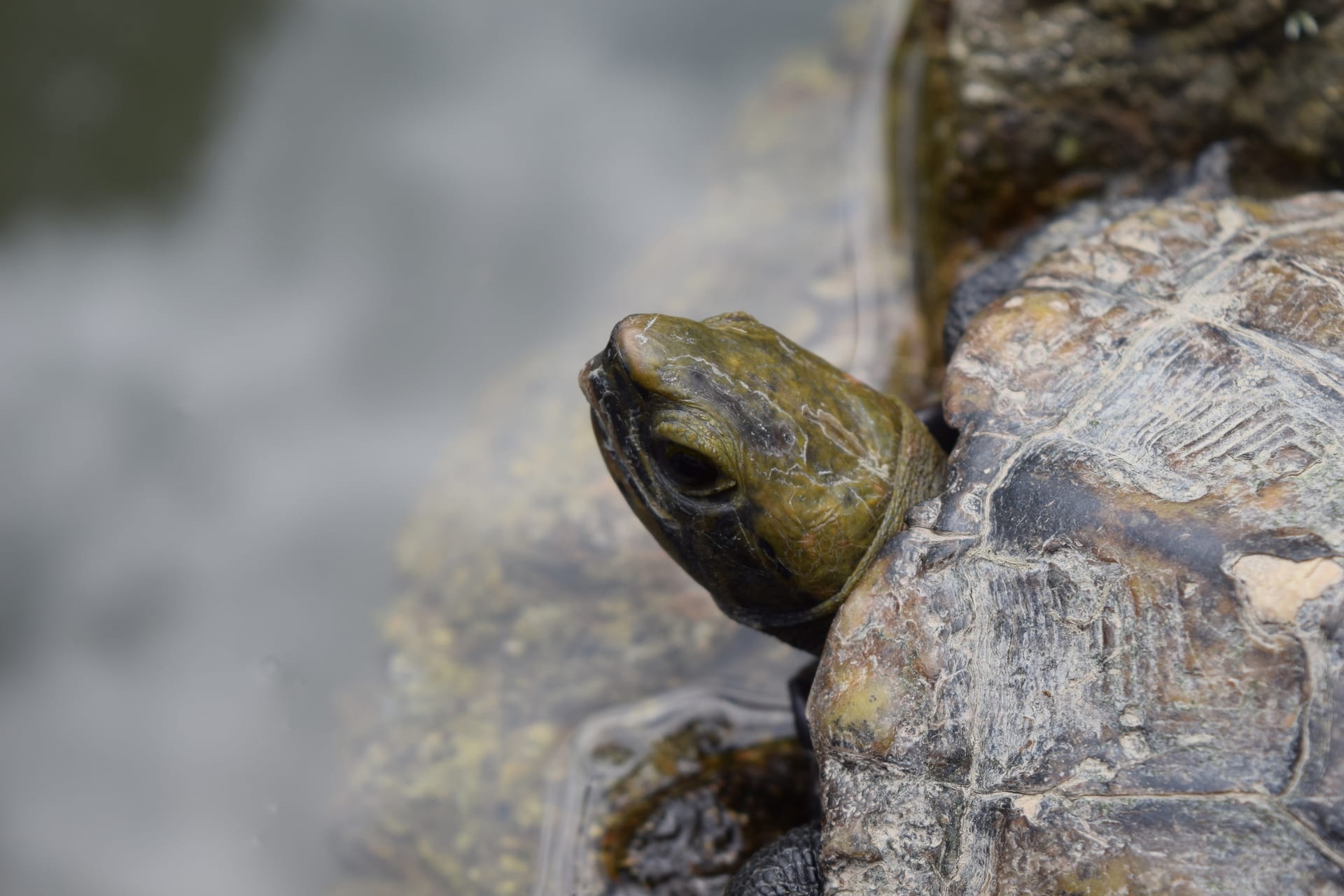
 © heikindai_87 / CC0
Japanese Pond Turtle
The Japanese pond turtle is a species endemic to the Japanese archipelago, belonging to the Geoemydidae family. It has a flat carapace ranging from orange-brown to dark brown, with a notable size difference between sexes — females reach up to 21cm in shell length, while males top out around 14.5cm. It favors clear water with a gentle current and has strong cold tolerance, making its habitat relatively manageable to set up. Many individuals have a calm, composed temperament, and watching them glide through the water or bask in the sun offers a quiet, grounding pleasure. Long cherished in Japanese culture for its understated charm, this is a turtle best suited to keepers with some foundational reptile-keeping knowledge.
View Japanese Pond Turtle encyclopedia →0% commission on your first sales!Register by September 30, 2026 and your first 2 sales are commission-free!
Breeder Wanted!
List on BreederDirect and sell directly to customers nationwide!
6 Transparency Promises from Br-Choku
Every Reptiles & Amphibians from verified Breeder breeders includes complete information: morph, genetics, feeding requirements, and temperament details.
- Morph Information
- Actual Photos
- Feeding Information
- Temperament Information
- Genetics Information
- Age (Months)
Browse all 280 breeds
Difficulty Level
Feeding Type
Temperament
Verified breeders wanted for Reptiles & Amphibians
Breeders are signing up now ahead of launch. Subscribe to be notified when new listings go live.
Getting alerts is free with a member account. When new listings match your saved search, we'll notify you by email and in-app.
Browse other categories
Verified breeders (preview)
Are you raising reptiles & amphibians?
Register as a breeder and connect with buyers directly.
Apply as a breederJapanese Pond Turtle key facts
- Care level
- Intermediate
- Lifespan
- 15-25 years
- Size
- Carapace up to 21cm in females and 14.5cm in males
- Diet
- Prepared pellets, small fish, shrimp, snails, insects, aquatic plants and fruit
- Temperature & Humidity
- A Japanese native with strong cold tolerance, it will hibernate naturally in an outdoor pond. Indoors, combine supplementary heating with a dry land area where the skin and shell can dry completely, under lighting that includes ultraviolet.
- Enclosure
- Keep it in an aqua-terrarium. It is sensitive to poor water quality, and frequent changes with unconditioned tap water often bring on fungal skin disease. Stabilise conditions with a generous water volume, effective filtration or green water. If kept in an outdoor pond, guard against escapes.
- Diet & Feeding
- Omnivorous and readily converted to prepared pellets in captivity. Vary the diet with small fish, shrimp, snails and greens. Large wild-caught adults can be reluctant to start feeding.
- Temperament
- Many individuals are wary and will slide into the water at the sight of a person while basking. Avoid unnecessary handling and provide a basking area and hides where it can settle.
- Notes
- Listed on CITES Appendix II in 2013, so no Japanese registration certificate is required, and assessed as Vulnerable on Japan's national Red List. It hybridises with Reeves' and Chinese stripe-necked turtles, so do not house it with other species; hybrids with the Chinese stripe-necked turtle are designated invasive alien species in Japan. Never release or abandon animals outdoors, which spreads genetic introgression. Juveniles are sometimes sold under the trade name zenigame, but in recent years that name has usually referred to juvenile Chinese pond turtles, a different species. A label reading simply ishigame may likewise refer to the Asian yellow pond turtle, so confirm the scientific name Mauremys japonica when buying.
About Japanese Pond Turtle
An introduction to the Japanese pond turtle, a hardy, cold-tolerant freshwater species endemic to Japan. Females reach up to 21cm and males up to 14.5cm in shell length; best suited to intermediate keepers.
7 things to know before welcoming a Japanese Pond Turtle
1Balancing Water and Land
Because this species prefers clear water with a gentle current, providing ample water volume and regular water quality maintenance is essential in captivity. Be sure to include a dry basking area as well, so the turtle can move freely between water and land.
2Strong Cold Tolerance
This species has notable cold tolerance and adapts well to cooler conditions. Depending on your region and setup, outdoor housing or a natural seasonal slowdown may be an option, but sudden temperature swings should still be avoided.
3Calm Temperament
Many individuals are quiet and composed, rarely seeking direct interaction, though they may respond noticeably around feeding time once settled in. This suits a keeping style built on patient observation.
4Size Differs by Sex
Adult size varies significantly by sex — females can reach up to 21cm in shell length, while males max out around 14.5cm. It's worth planning your enclosure size around this eventual growth from the start.
5Omnivorous Diet
As an omnivore, its diet should center on a balanced commercial turtle pellet. Review the amount and content of food as the turtle grows, to avoid nutritional imbalance.
6Monitoring Shell and Health
The color, sheen, and shape of the shell, along with appetite and activity level, offer clues to overall health. Knowing the turtle's normal baseline makes it easier to notice subtle changes.
7Preparing for the Commitment
The Japanese pond turtle is generally considered suited to intermediate keepers, requiring solid knowledge of water quality and temperature management. As a companion you'll be caring for over the long term, confirm in advance that you can sustainably maintain its environment.
Frequently asked questions about Japanese Pond Turtle
- Q.Can beginners keep a Japanese pond turtle?
- A.This species is generally considered suited to intermediate keepers. It's best to build up some foundational knowledge of water quality and temperature management before bringing one home.
- Q.Do males and females differ in size?
- A.Yes, quite significantly. Females can reach up to 21cm in shell length, while males max out around 14.5cm. Keep this difference in mind when planning enclosure space.
- Q.Is this species sensitive to cold?
- A.Not at all — this species actually has strong cold tolerance. That said, sudden temperature changes can still be stressful, so manage conditions gradually according to your environment.
- Q.Is this species subject to CITES regulation?
- A.Japanese Pond Turtle is listed in CITES Appendix II. International trade requires a permit from the exporting country, but as far as CITES is concerned, no registration is needed to buy or sell individuals already legally in Japan.
- Q.What kind of aquatic environment should I set up?
- A.This species favors clear water with a gentle current. Alongside sufficient water volume and quality management, be sure to provide a dry basking area as well.
Useful tools for Japanese Pond Turtle care
Learn more about Japanese Pond Turtle in the encyclopedia
View Japanese Pond Turtle encyclopedia entry →
Care difficulty, lifespan, size and diet — all basics covered.
Japanese Pond Turtle related articles
See more Japanese Pond Turtle articles →More in this category
Can't find the one you're looking for?
Post your wishes for free and breeders with matching animals will contact you with introductions.