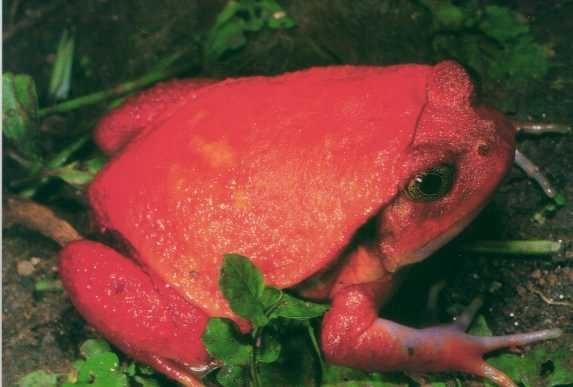
 © Franco Andreone - see authorization / CC BY-SA 2.5
Tomato Frog
The Tomato Frog is a ground-dwelling species found only around Antongil Bay in northeastern Madagascar, prized for its vivid tomato-red coloring, among the most striking in its genus. Its temperament tends to be calm and unhurried, though when startled or handled roughly it puffs up its body and secretes a sticky white substance from its skin as a defense. Females grow larger than males, reaching up to 11 cm in length. Considered a beginner-friendly species, it settles in well with attentive humidity management and a properly set-up terrarium, making it a rewarding companion for new keepers.
View Tomato Frog encyclopedia →0% commission on your first sales!Register by September 30, 2026 and your first 2 sales are commission-free!
Breeder Wanted!
List on BreederDirect and sell directly to customers nationwide!
6 Transparency Promises from Br-Choku
Every Reptiles & Amphibians from verified Breeder breeders includes complete information: morph, genetics, feeding requirements, and temperament details.
- Morph Information
- Actual Photos
- Feeding Information
- Temperament Information
- Genetics Information
- Age (Months)
Browse all 280 breeds
Difficulty Level
Feeding Type
Temperament
Verified breeders wanted for Reptiles & Amphibians
Breeders are signing up now ahead of launch. Subscribe to be notified when new listings go live.
Getting alerts is free with a member account. When new listings match your saved search, we'll notify you by email and in-app.
Browse other categories
Verified breeders (preview)
Are you raising reptiles & amphibians?
Register as a breeder and connect with buyers directly.
Apply as a breederTomato Frog key facts
- Care level
- Beginner-friendly
- Lifespan
- 3 to 12+ years in captivity
- Size
- 6-11cm
- Temperature
- 24〜27℃
- Humidity
- 70%
- Diet
- Crickets, earthworms and other insects
- Temperature & Humidity
- Keep 24-27 C by day with a night drop to about 18 C. Well above 27 C can be fatal. Hold humidity above 70% using misting and a damp substrate.
- Enclosure
- At least 61 x 33 x 33 cm (15 gallons) for two or three adults. Provide a deep layer of coco fibre or leaf mould for burrowing, hides and a water dish deep enough to sit in, with adequate ventilation.
- Diet & Feeding
- Crickets as the staple, supplemented with earthworms and waxworms. Three to six crickets per frog several times a week is a guide. Dust with calcium and vitamins, and use a carotenoid supplement to maintain colour.
- Temperament
- Nocturnal and terrestrial, slow-moving and an ambush feeder. Conspecific aggression is low, but keep animals of similar size to avoid competition at feeding.
- Notes
- The white sticky skin secretion can cause an allergic reaction in people, so wash your hands after handling. The species is listed on CITES Appendix II.
About Tomato Frog
A ground-dwelling frog native to northeastern Madagascar, known for its vivid tomato-red color. It puffs up and secretes a sticky white substance when threatened, and is considered beginner-friendly to keep.
7 things to know before welcoming a Tomato Frog
1Humidity Comes First
Native to the humid forests of northeastern Madagascar, Tomato Frogs need consistently high humidity in their enclosure. Use a moisture-retentive substrate like sphagnum moss and mist regularly to prevent drying out, while still allowing enough airflow to avoid stagnation.
2Puffs Up When Startled
When startled, this species inflates its body and releases a sticky white secretion from its skin as a defense mechanism. The secretion can irritate eyes or mouths, so always wash your hands after handling. Frequent startling causes stress, so handling should be kept to a minimum.
3Females Grow Larger
Adults typically reach 6 to 11 cm, with females growing larger than males and sometimes reaching up to 11 cm in length. This size difference becomes more noticeable as the frogs mature, making it a useful way to tell them apart.
4Feeds on Live Prey
As insectivores, Tomato Frogs respond well to live prey like crickets moved in front of them. They aren't strong jumpers and rely on an ambush feeding style, so choosing appropriately sized prey helps prevent digestive issues.
5Best Kept Solo
Tomato Frogs are territorial, and housing multiple individuals together can cause stress or accidental injury. It's best to keep them one per enclosure, giving each frog plenty of space.
6A Long-Term Commitment
In captivity, Tomato Frogs can live anywhere from 3 to over 12 years, making them fairly long-lived compared to many small amphibians. Before bringing one home, consider whether you can commit to consistent temperature, humidity, and feeding care over that span.
7Prep the Habitat First
Because this species secretes a sticky substance from its skin, it's best to have the substrate, hiding spots, and water dish fully set up before the frog arrives. Even though it's considered beginner-friendly, keeping a thermometer and hygrometer on hand helps you track daily conditions.
Frequently asked questions about Tomato Frog
- Q.Is the Tomato Frog suitable for beginners?
- A.Yes, it's considered a beginner-friendly species that does well with basic humidity management and habitat setup. That said, it has some unique care points, like handling around its skin secretions.
- Q.How large do Tomato Frogs grow?
- A.Adults typically reach 6 to 11 cm. Females tend to grow larger than males and can reach up to 11 cm in length.
- Q.How long do Tomato Frogs live?
- A.In captivity, they can live from 3 years to over 12 years, making them a long-term companion. It's worth considering whether you can provide consistent care over that timeframe before bringing one home.
- Q.Why does it puff up its body?
- A.It inflates its body as a defense response when startled or handled roughly. At the same time, it secretes a sticky white substance from its skin, so it's best to wash your hands after contact.
- Q.Can I keep multiple frogs together?
- A.Because they're territorial, housing several together in one enclosure can cause stress. It's generally best to keep them individually, one frog per enclosure.
Useful tools for Tomato Frog care
Learn more about Tomato Frog in the encyclopedia
View Tomato Frog encyclopedia entry →
Care difficulty, lifespan, size and diet — all basics covered.
More in this category
Can't find the one you're looking for?
Post your wishes for free and breeders with matching animals will contact you with introductions.