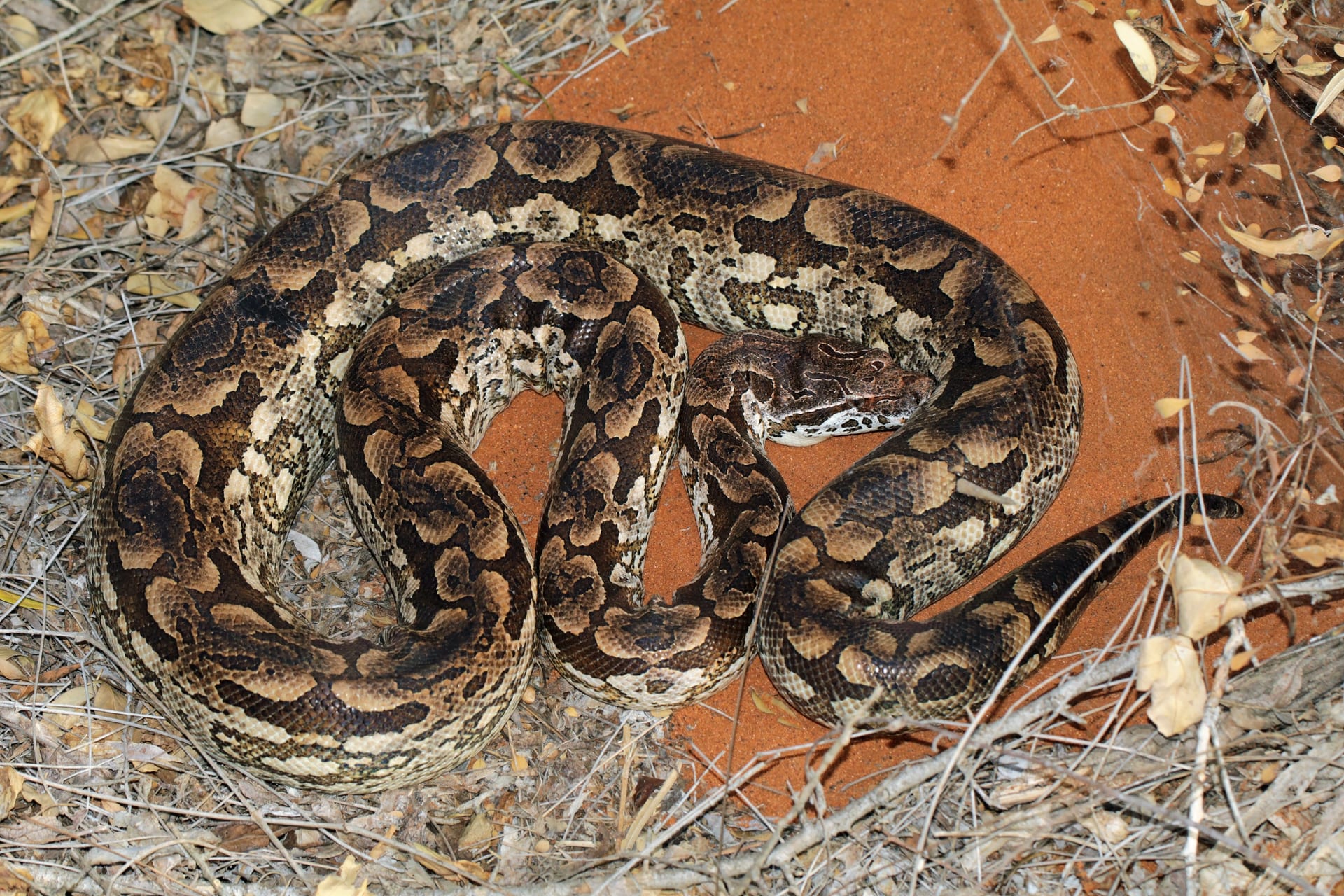
 © Charles J. Sharp / CC BY-SA 4.0
Dumeril's Boa
Dumeril's Boa is a large, ground-dwelling snake native to the semi-arid forests of western and southwestern Madagascar. Its grayish-brown body, patterned with darker blotches, blends seamlessly into a leaf-littered forest floor — a striking natural camouflage. Typically reaching around 200 cm in length, with some individuals growing up to 259 cm, it has an impressively solid build, yet its temperament is calm and its movements unhurried. That combination of imposing presence and gentle nature makes it a rewarding species for keepers with some prior reptile experience, generally suited to intermediate keepers rather than absolute beginners.
View Dumeril's Boa encyclopedia →0% commission on your first sales!Register by September 30, 2026 and your first 2 sales are commission-free!
Breeder Wanted!
List on BreederDirect and sell directly to customers nationwide!
6 Transparency Promises from Br-Choku
Every Reptiles & Amphibians from verified Breeder breeders includes complete information: morph, genetics, feeding requirements, and temperament details.
- Morph Information
- Actual Photos
- Feeding Information
- Temperament Information
- Genetics Information
- Age (Months)
Browse all 280 breeds
Difficulty Level
Feeding Type
Temperament
Verified breeders wanted for Reptiles & Amphibians
Breeders are signing up now ahead of launch. Subscribe to be notified when new listings go live.
Getting alerts is free with a member account. When new listings match your saved search, we'll notify you by email and in-app.
Browse other categories
Verified breeders (preview)
Are you raising reptiles & amphibians?
Register as a breeder and connect with buyers directly.
Apply as a breederDumeril's Boa key facts
- Care level
- Intermediate
- Lifespan
- 20-30 years
- Size
- Usually about 200cm, maximum 259cm
- Temperature
- 21〜31℃
- Humidity
- 40〜60%
- Diet
- Thawed frozen rats and mice
- Temperature & Humidity
- Aim for 30-31 C in the basking area and 21-24 C at the cool end. Night-time drops to 21-24 C are fine and are actually better for long-term health. Hold humidity at 40-60 percent: below 40 percent brings shedding problems and above 60 percent raises the risk of respiratory disease.
- Enclosure
- Adults need an enclosure of about 120 x 60 x 60 cm. Being terrestrial they need floor space above all, but keep at least 60 cm of height for substrate depth and safe lamp distance. Front-opening is preferable, since reaching in from above reads as predatory. Use aspen or cypress mulch, never cedar or pine.
- Diet & Feeding
- In the wild it constricts birds, lizards and small mammals. In captivity offer thawed frozen rats or mice sized to the snake. It grows large but must not be allowed to become obese, and should not be handled for 48 hours after a meal to avoid regurgitation.
- Temperament
- Calm and slow-moving for its size. Keep it singly; there is no reason to house them together. Males use their anal spurs in courtship.
- Notes
- Listed on CITES Appendix I since 4 February 1977. In Japan it is a designated internationally endangered species, so transfer and display require a registration certificate under the Species Conservation Act. Animals without a certificate cannot legally be traded, so always inspect the document itself. The IUCN Red List assesses it as Least Concern.
About Dumeril's Boa
Dumeril's Boa is a calm, ground-dwelling boa native to Madagascar's semi-arid forests, known for its leaf-like camouflage and growing to around 200 cm — a great pick for intermediate reptile keepers.
7 things to know before welcoming a Dumeril's Boa
1A ground-dweller that burrows
Dumeril's Boa is terrestrial rather than arboreal, and it naturally burrows into leaf litter or substrate. Provide a deep enough substrate layer along with hides so it can dig in and feel secure.
2Semi-arid heat and humidity needs
Native to the semi-arid forests of western Madagascar, this species tends to dislike excessive humidity. Aim for a basking-to-cool-zone temperature gradient while keeping overall humidity on the drier side.
3Calm but powerful when grown
Its temperament is calm and movements unhurried, but adults become thick-bodied and strong. Until you're used to handling it, having a second person help support the body is a good safety practice.
4Plan for its adult size
Adults typically reach around 200 cm, with some individuals growing up to 259 cm. Even if you bring home a juvenile, plan ahead for the larger enclosure and equipment it will eventually need.
5Feeding and digestion care
Diet mainly consists of appropriately sized thawed frozen mice or rats. Keep enclosure temperatures stable after feeding to support proper digestion.
6A secure enclosure is a must
As a strong, large-bodied snake, it needs a cage with locking doors or lids that close without gaps. Adults in particular can push against lids with surprising force.
7Check health before bringing home
Look for signs like skin lesions, a clean mouth, and healthy body condition before acquiring one. Confirming the animal's background and condition with a trustworthy breeder helps ensure a smooth start.
Frequently asked questions about Dumeril's Boa
- Q.Is Dumeril's Boa suitable for beginners?
- A.While its calm temperament makes it relatively easy to handle, it's generally considered a species for intermediate keepers, since adults grow to over 200 cm. Be sure to check the space and setup it will eventually need before bringing one home.
- Q.Is it aggressive or likely to bite?
- A.It's generally known for a calm temperament and slow movements. That said, individuals vary, so avoid handling a newly acquired snake too soon and let it settle into its new environment gradually.
- Q.How big an enclosure does it need?
- A.Adults typically reach around 200 cm, with some individuals growing up to 259 cm, so a correspondingly spacious enclosure is needed once fully grown. It's wise to plan ahead for that eventual size even while your snake is still a juvenile.
- Q.What should I feed it?
- A.Its diet mainly consists of appropriately sized thawed frozen mice or rats. Keep the enclosure warm enough after feeding to support healthy digestion.
- Q.What humidity level does it need?
- A.Since it comes from the semi-arid forests of Madagascar, it doesn't require especially high humidity. Manage the enclosure on the drier side while maintaining a temperature gradient between the basking spot and cooler areas.
Useful tools for Dumeril's Boa care
Learn more about Dumeril's Boa in the encyclopedia
View Dumeril's Boa encyclopedia entry →
Care difficulty, lifespan, size and diet — all basics covered.
More in this category
Can't find the one you're looking for?
Post your wishes for free and breeders with matching animals will contact you with introductions.