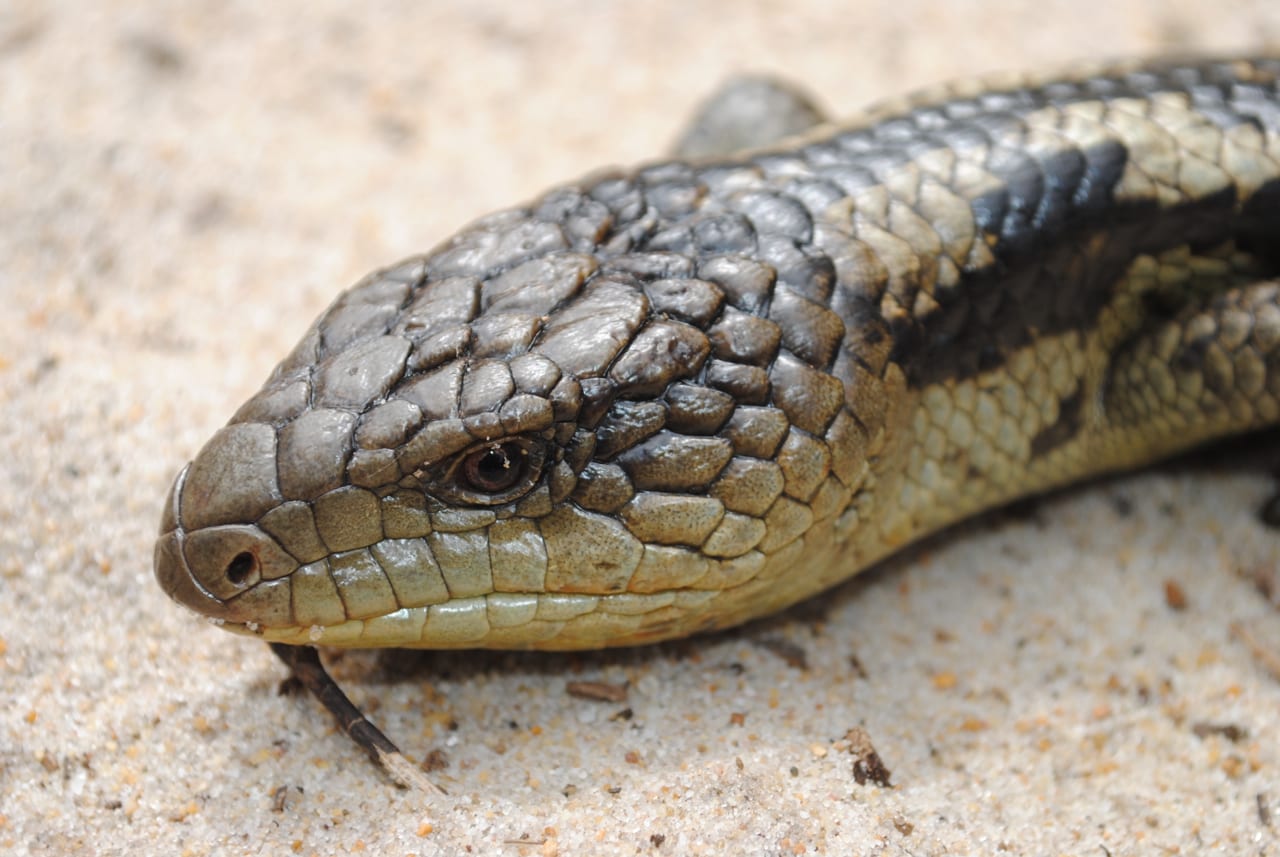
 © JKMelville / CC BY-SA 3.0
Blotched Blue-Tongued Skink
The Blotched Blue-Tongued Skink is a striking lizard found only in southeastern Australia and Tasmania. Its dark base coloring is broken up by bold blotches of silvery-gray, cream, and in some individuals, pink or orange, giving each skink a distinctive pattern all its own. They tend to have a calm, approachable temperament and a sturdy, ground-dwelling build that suits a well-sized enclosure. Among the longest-lived members of their genus, they can live up to around 30 years, making them a long-term companion for the right keeper. They're a popular choice for those trying a larger skink for the first time, though their substantial adult size means the enclosure setup deserves careful planning before bringing one home.
View Blotched Blue-Tongued Skink encyclopedia →0% commission on your first sales!Register by September 30, 2026 and your first 2 sales are commission-free!
Breeder Wanted!
List on BreederDirect and sell directly to customers nationwide!
BreederDirect's 6 Transparency Commitments
Every Reptiles & Amphibians from verified Breeder breeders includes complete information: morph, genetics, feeding requirements, and temperament details.
- Morph Information
- Actual Photos
- Feeding Information
- Temperament Information
- Genetics Information
- Age (Months)
Browse all 319 breeds
Difficulty Level
Feeding Type
Temperament
Verified breeders wanted for Reptiles & Amphibians
Breeders are signing up now ahead of launch. Subscribe to be notified when new listings go live.
Getting alerts is free with a member account. When new listings match your saved search, we'll notify you by email and in-app.
Browse other categories
Verified breeders (preview)
Are you raising reptiles & amphibians?
Register as a breeder and connect with buyers directly.
Apply as a breederBlotched Blue-Tongued Skink key facts
- Care level
- Intermediate
- Lifespan
- Up to 30 years
- Size
- 35-60cm
- Temperature
- 21〜29℃
- Humidity
- 40〜50%
- Diet
- Insects, snails, carrion, wildflowers and fruit (omnivorous)
- Temperature & Humidity
- As an Australian species, aim for a cool side of 21-29 C, nights of 18-24 C and a basking surface of 37-40 C, with humidity of 40-50% for T. nigrolutea. Coming from the south-east and Tasmania, it copes with cooler conditions than other blue tongues.
- Enclosure
- Provide a floor area at least three times the lizard's total length (at least 1.1 square metres) and at least 45 cm of height, or 60 cm if the equipment sits inside. Add a substrate it can burrow into, hides and a UVB lamp.
- Diet & Feeding
- Omnivorous and adapts well to readily available foods. Feed babies daily, juveniles three times a week and adults once or twice a week, a portion about the size of the head. Animal protein should be 70-80% of the diet under one year and 50-60% in adults.
- Temperament
- Diurnal and placid. It is harmless by nature but gapes defensively when cornered and bites as a last resort. Keep it singly.
- Notes
- Australia's export ban means legal animals descend from stock taken out before the ban, so the trade is essentially captive-bred. Australia listed the species on CITES Appendix III effective 22 June 2022.
About Blotched Blue-Tongued Skink
Native to southeastern Australia and Tasmania, this blue-tongued skink features bold silvery-gray and cream blotches, a calm temperament, and a lifespan of up to 30 years.
7 things to know before welcoming a Blotched Blue-Tongued Skink
1Needs a spacious enclosure
Adults reach 35–60 cm and are ground-dwelling, so floor space matters more than height. Plan for a spacious enclosure ahead of time to accommodate their eventual size.
2Temperature gradient and UV light
Set up both a warm basking spot and a cooler area within the enclosure so the skink can thermoregulate on its own. A UVB light is also essential for long-term health.
3Calm, tameable temperament
They tend to have a mellow disposition and can become comfortable with handling when approached gently and consistently. Individual personalities vary, so give a new arrival time to settle before handling.
4Omnivorous with varied diet needs
These skinks are omnivores that do best on a varied diet of vegetables, fruit, and protein. Rotating food items helps prevent nutritional imbalances over time.
5A long-term commitment of up to 30 years
This species is among the longer-lived skinks, with a lifespan reaching up to around 30 years. Consider whether you can commit to their care over that full timespan before bringing one home.
6Unique blotch patterns per individual
The color and arrangement of blotches — ranging from silvery-gray and cream to pink or orange on some individuals — vary widely from one skink to the next, making pattern comparison part of the appeal.
7Substrate and humidity management
Since they're active ground-dwellers, a diggable substrate and hides help them feel secure. Maintaining appropriate humidity also supports healthy shedding and overall condition.
Frequently asked questions about Blotched Blue-Tongued Skink
- Q.Can beginners keep this species?
- A.This species is generally considered suitable for intermediate keepers. It's a good fit for those with some prior lizard-keeping experience or who are willing to research thoroughly beforehand.
- Q.How large do they grow?
- A.Adults typically reach 35–60 cm in total length. Since size varies by individual, it's wise to prepare an enclosure sized for the upper end of that range.
- Q.What is their lifespan?
- A.They can live up to around 30 years, making them one of the longer-lived blue-tongued skinks. It's important to plan for their care as a long-term commitment.
- Q.Are there any CITES trade restrictions?
- A.Blotched Blue-Tongued Skink is listed in CITES Appendix III (listed by Australia for its own populations). International trade needs documents such as a certificate of origin, but as far as CITES is concerned, no registration is needed to buy or sell in Japan.
- Q.Are they easy to tame?
- A.They tend to have a calm temperament and can grow comfortable with handling given patient, consistent interaction. Individual personalities differ, so it's best to go slowly rather than rushing the process.
Useful tools for Blotched Blue-Tongued Skink care
Learn more about Blotched Blue-Tongued Skink in the encyclopedia
View Blotched Blue-Tongued Skink encyclopedia entry →
Care difficulty, lifespan, size and diet — all basics covered.
More in this category
Can't find the one you're looking for?
Post your wishes for free and breeders with matching animals will contact you with introductions.