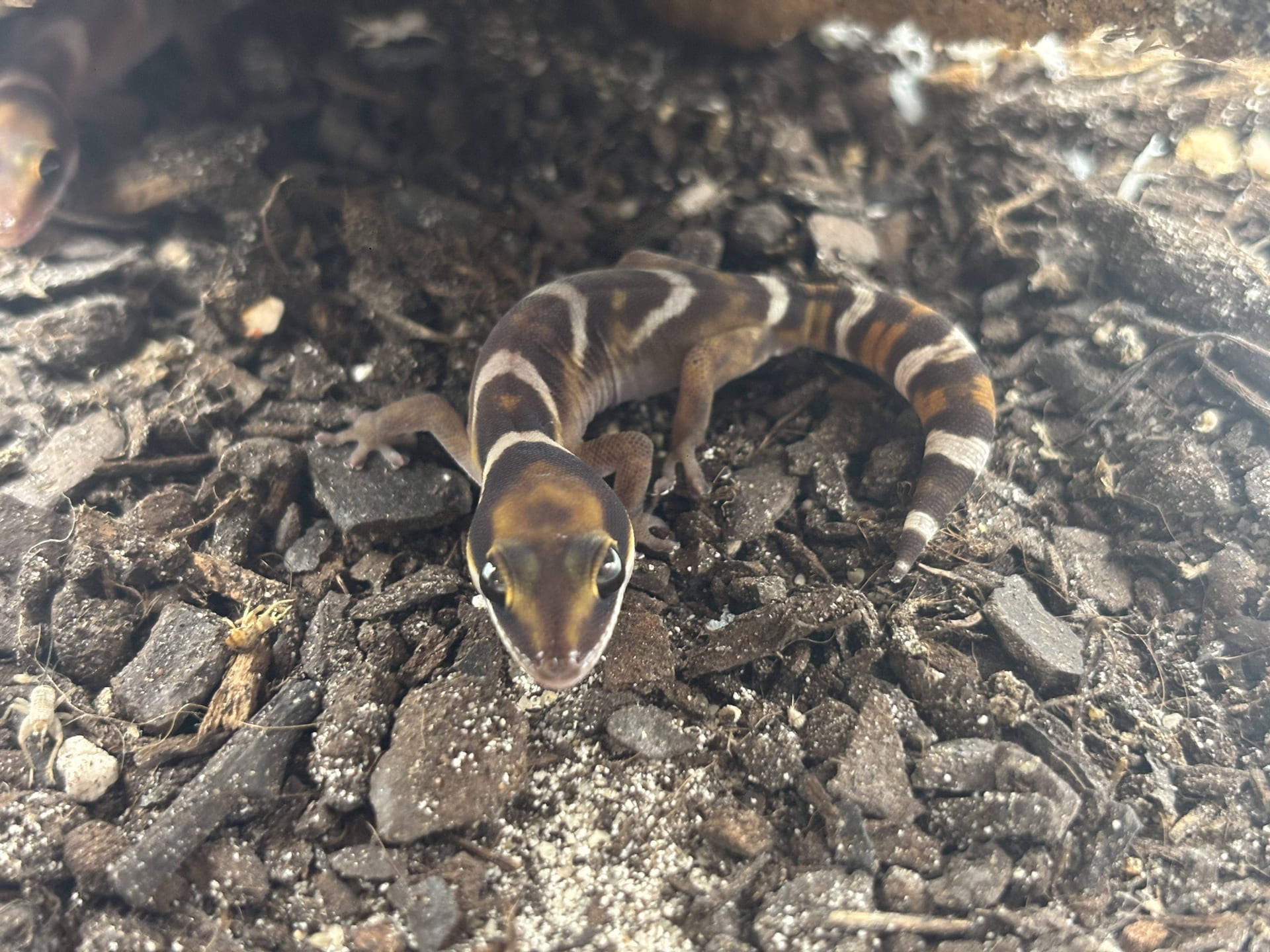
 © Fgreptiles / CC0
Northern Velvet Gecko
The Northern Velvet Gecko is a rare species found only on the Cape York Peninsula in northern Queensland, Australia. True to its name, it has a band-like pattern and smooth, velvety skin that give it a distinctive look. Living in forests and savanna woodland, it emerges after dark to hunt insects, spending its days tucked away in shelter. Calm and unflappable by nature, it's a rewarding gecko to simply watch and observe. Considered suitable for intermediate keepers, it needs a bit of experience with temperature and humidity management, and its breeding biology is equally distinctive: females lay just two soft, parchment-shelled eggs per clutch. Given its restricted range in the wild, it remains an uncommon gecko to keep.
View Northern Velvet Gecko encyclopedia →Breeder Wanted!
List on BreederDirect and sell directly to customers nationwide!
BreederDirect's 6 Transparency Commitments
Every Reptiles & Amphibians from verified Breeder breeders includes complete information: morph, genetics, feeding requirements, and temperament details.
- Morph Information
- Actual Photos
- Feeding Information
- Temperament Information
- Genetics Information
- Age (Months)
Browse all 319 breeds
Difficulty Level
Feeding Type
Temperament
Verified breeders wanted for Reptiles & Amphibians
Breeders are signing up now ahead of launch. Subscribe to be notified when new listings go live.
Getting alerts is free with a member account. When new listings match your saved search, we'll notify you by email and in-app.
Browse other categories
Verified breeders (preview)

Are you raising reptiles & amphibians?
Register as a breeder and connect with buyers directly.
Apply as a breederNorthern Velvet Gecko key facts
- Care level
- Intermediate
- Diet
- Insectivore (crickets, roaches)
- Housing
- It lives in forest and savanna; provide bark, wood or rock hides where it can rest by day.
- Temperature & Humidity
- A tropical species from Cape York. Species-specific husbandry temperatures are scarce, so provide a gradient the gecko can choose from.
- Diet & Feeding
- An insectivore: feed live crickets or roaches dusted with calcium.
- Health & Cautions
- It is oviparous, laying two eggs per clutch that hatch in about 60 days.
- Notes
- Velvet geckos include many similar species, so check the scientific name and origin. Never release a captive animal into the wild.
About Northern Velvet Gecko
A rare velvet gecko found only on Australia's Cape York Peninsula, known for its banded pattern, smooth skin, and nocturnal, insect-eating habits. Best suited to intermediate keepers.
7 things to know before welcoming a Northern Velvet Gecko
1Suited to Intermediate Keepers
The Northern Velvet Gecko is considered a species for intermediate keepers. Managing temperature, humidity, and hiding spots takes some prior reptile-keeping experience, so newcomers may want to start with an easier species first.
2Nocturnal and Secretive
This gecko is nocturnal and spends the day tucked away in a hide or shelter. If you want to watch it being active, check quietly after dark.
3Recreate Forest and Savanna
Its native Cape York Peninsula habitat is forest and savanna woodland, so set up hides, climbing branches, and a day-night temperature gradient accordingly. Maintaining suitable humidity at night is also important.
4Insects Are the Main Diet
In the wild, this gecko feeds mainly on insects. Captive care follows the same pattern, so it's worth arranging a reliable source of feeder insects before bringing one home.
5Calm, Unflappable Temperament
It's generally described as calm and not easily startled. That said, individuals vary, so avoid handling a new arrival right away and give it time to settle in first.
6Two Soft-Shelled Eggs Per Clutch
When breeding, females lay just two parchment-shelled eggs per clutch. If you plan to breed them, keep in mind that the thin shells call for care to avoid drying out or sudden jostling.
7Limited Data on Lifespan and Size
Because of its restricted range, published information on captive lifespan and adult size is limited. Check with the breeder or seller about the individual you're considering.
Frequently asked questions about Northern Velvet Gecko
- Q.Is this gecko suitable for beginners?
- A.It's generally considered a species for intermediate keepers rather than complete beginners. If you're new to reptile keeping, it may be worth gaining experience with an easier species first.
- Q.Is it subject to CITES regulation?
- A.No, the Northern Velvet Gecko is not listed under CITES.
- Q.Can I see it active during the day?
- A.Being nocturnal, it usually stays hidden in its shelter during the day. To observe it moving around, check quietly after dark.
- Q.What kind of setup does it need?
- A.A setup modeled on its native forest and savanna habitat works well: hides, climbing branches, and a clear day-night temperature gradient. Keep humidity at a reasonable level overnight as well.
- Q.Is it easy to breed in captivity?
- A.Females are known to lay two parchment-shelled eggs per clutch. However, detailed captive breeding data is limited, so it's best to work with an experienced breeder if you're considering it.
Useful tools for Northern Velvet Gecko care
Learn more about Northern Velvet Gecko in the encyclopedia
View Northern Velvet Gecko encyclopedia entry →
Care difficulty, lifespan, size and diet — all basics covered.
More in this category
Can't find the one you're looking for?
Post your wishes for free and breeders with matching animals will contact you with introductions.