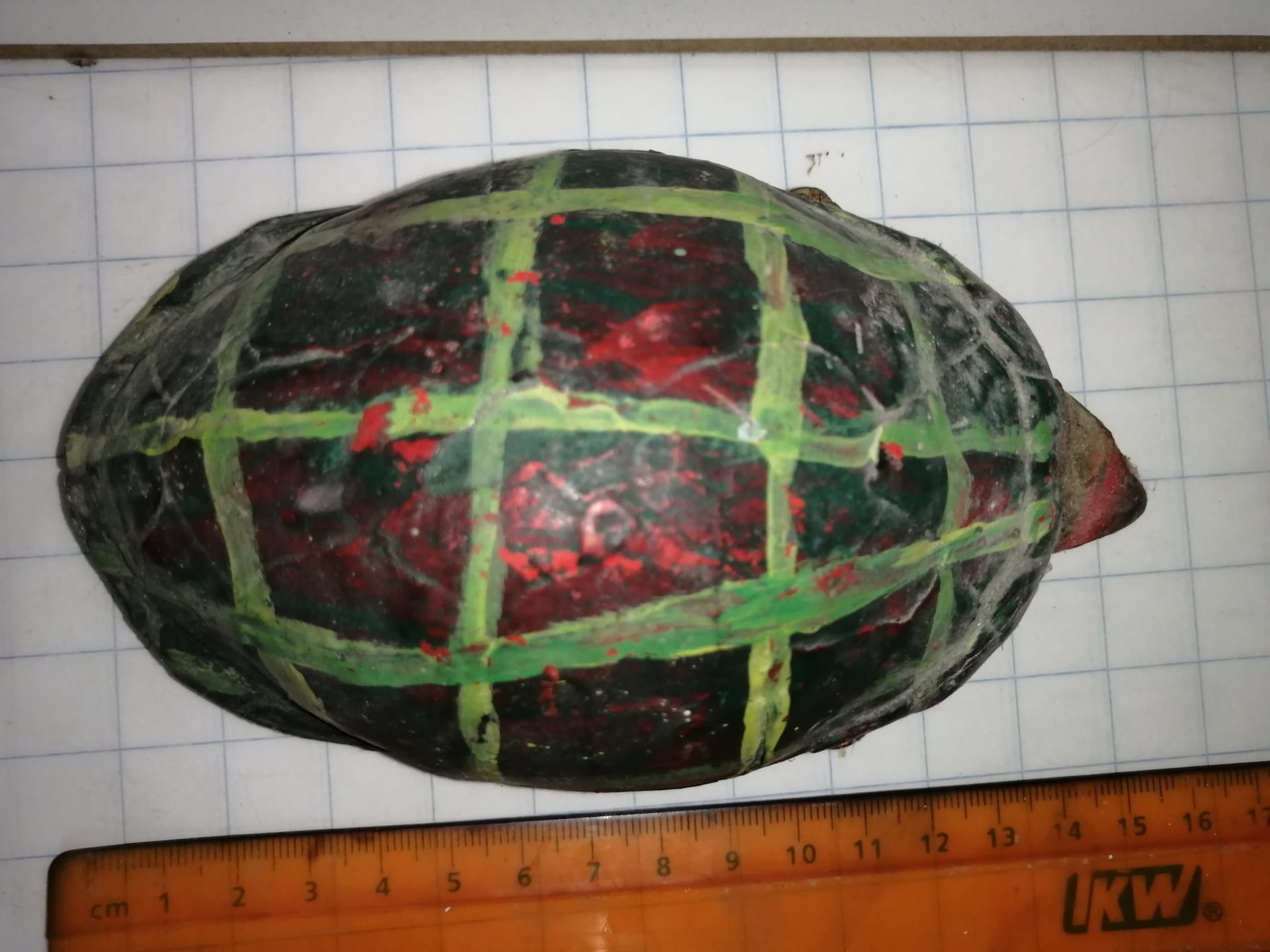
 © Sebastián de Jesús Herrera Buenfil / CC BY 4.0
White-lipped Mud Turtle
The white-lipped mud turtle is a small freshwater turtle native to shallow waters across Central America and northwestern South America. Its dark brown to black carapace paired with a bright yellow plastron gives it a striking look, and a hinge in the plastron lets it close its shell almost completely to fend off predators. Unusually for a mud turtle, males grow larger than females. Its care difficulty is rated beginner-friendly, so it's a great choice for anyone new to keeping turtles.
View White-lipped Mud Turtle encyclopedia →Breeder Wanted!
List on BreederDirect and sell directly to customers nationwide!
BreederDirect's 6 Transparency Commitments
Every Reptiles & Amphibians from verified Breeder breeders includes complete information: morph, genetics, feeding requirements, and temperament details.
- Morph Information
- Actual Photos
- Feeding Information
- Temperament Information
- Genetics Information
- Age (Months)
Browse all 319 breeds
Difficulty Level
Feeding Type
Temperament
Verified breeders wanted for Reptiles & Amphibians
Breeders are signing up now ahead of launch. Subscribe to be notified when new listings go live.
Getting alerts is free with a member account. When new listings match your saved search, we'll notify you by email and in-app.
Browse other categories
Verified breeders (preview)


Are you raising reptiles & amphibians?
Register as a breeder and connect with buyers directly.
Apply as a breederWhite-lipped Mud Turtle key facts
- Care level
- Beginner-friendly
- Lifespan
- up to about 19 years (captive record)
- Size
- Maximum carapace length 17.4 cm (males larger; females up to 15.8 cm)
- Diet
- Omnivore (insects, crustaceans, snails, fish, plants, fruit)
- Housing
- It lives in shallow, muddy, weedy water and is usually kept in an aqua-terrarium with shallow water it can stand in and a haul-out area.
- Diet & Feeding
- An omnivore: offer pellets plus fish, crustaceans, insects and greens. It cannot swallow properly on land, so feed it in the water.
- Temperament
- It is mainly nocturnal in the wild, though some captives become active by day and bask.
- Health & Cautions
- In the dry season it moves overland or rests in damp places. Keep water quality good with regular changes.
- Notes
- The southern subspecies is rarer in the trade and differs in plastron width and head stripes; confirm the subspecies when buying. Never release a captive animal into the wild.
About White-lipped Mud Turtle
A small mud turtle from shallow Central and South American waters. Its dark carapace and yellow plastron, hinged to close almost completely, make it distinctive — and unusually, males outgrow females. Considered beginner-friendly.
7 things to know before welcoming a White-lipped Mud Turtle
1Recreate Shallow Water
In the wild, white-lipped mud turtles live in shallow water across Central and South America, so keep the water level shallow enough for them to stand and provide a proper basking area on land. A hiding spot and soft substrate will also help them feel secure.
2Males Outsize Females
Unusually for a mud turtle, males grow larger than females in this species. Maximum carapace length is about 17.4 cm for males and 15.8 cm for females, so keep this size difference in mind if you're considering keeping more than one.
3A Hinged Shell for Defense
The plastron (belly shell) has a hinge that lets the turtle close its shell almost completely when it feels threatened, protecting its head and limbs. You may notice this defensive behavior when handling your turtle.
4A Beginner-Friendly Species
This species is generally considered beginner-friendly. In the wild it tends to be nocturnal, but in captivity some individuals are active during the day and even bask. A newly settled turtle may stay wary at first, so give it time to adjust quietly after bringing it home.
5Make Water Care a Routine
As a strongly aquatic turtle, regular filtration and water changes are key to keeping it healthy. Leftover food and waste can foul the water quickly, so check water quality often.
6A Long-Lived Companion
The longest recorded captive lifespan is about 19 years. Keep in mind you may be committing to a long-term companion, and consider whether you can provide care for the long haul before bringing one home.
7Listed Under CITES Appendix II
The white-lipped mud turtle is listed under CITES Appendix II. It's worth knowing that this species is subject to international trade oversight.
Frequently asked questions about White-lipped Mud Turtle
- Q.Is this turtle suitable for beginners?
- A.Yes, this species is generally considered beginner-friendly as long as you can manage basic water quality and temperature. Like any aquatic turtle, it still needs consistent daily care.
- Q.How big does it grow?
- A.Maximum carapace length is about 17.4 cm for males and 15.8 cm for females. Unusually for a mud turtle, males grow larger than females.
- Q.Does it need a dry land area?
- A.Yes. Since this species lives in shallow water in the wild, provide a land area in the enclosure where it can bask and rest.
- Q.How long do they live?
- A.The longest recorded captive lifespan is about 19 years. It's best to plan for a long-term commitment before bringing one home.
- Q.Are there any legal considerations?
- A.The white-lipped mud turtle is listed under CITES Appendix II. It's worth being aware that this species is subject to international trade oversight.
Useful tools for White-lipped Mud Turtle care
Learn more about White-lipped Mud Turtle in the encyclopedia
View White-lipped Mud Turtle encyclopedia entry →
Care difficulty, lifespan, size and diet — all basics covered.
More in this category
Can't find the one you're looking for?
Post your wishes for free and breeders with matching animals will contact you with introductions.