Source: Wikimedia Commons
White-lipped Mud Turtle
BeginnerKinosternon leucostomum
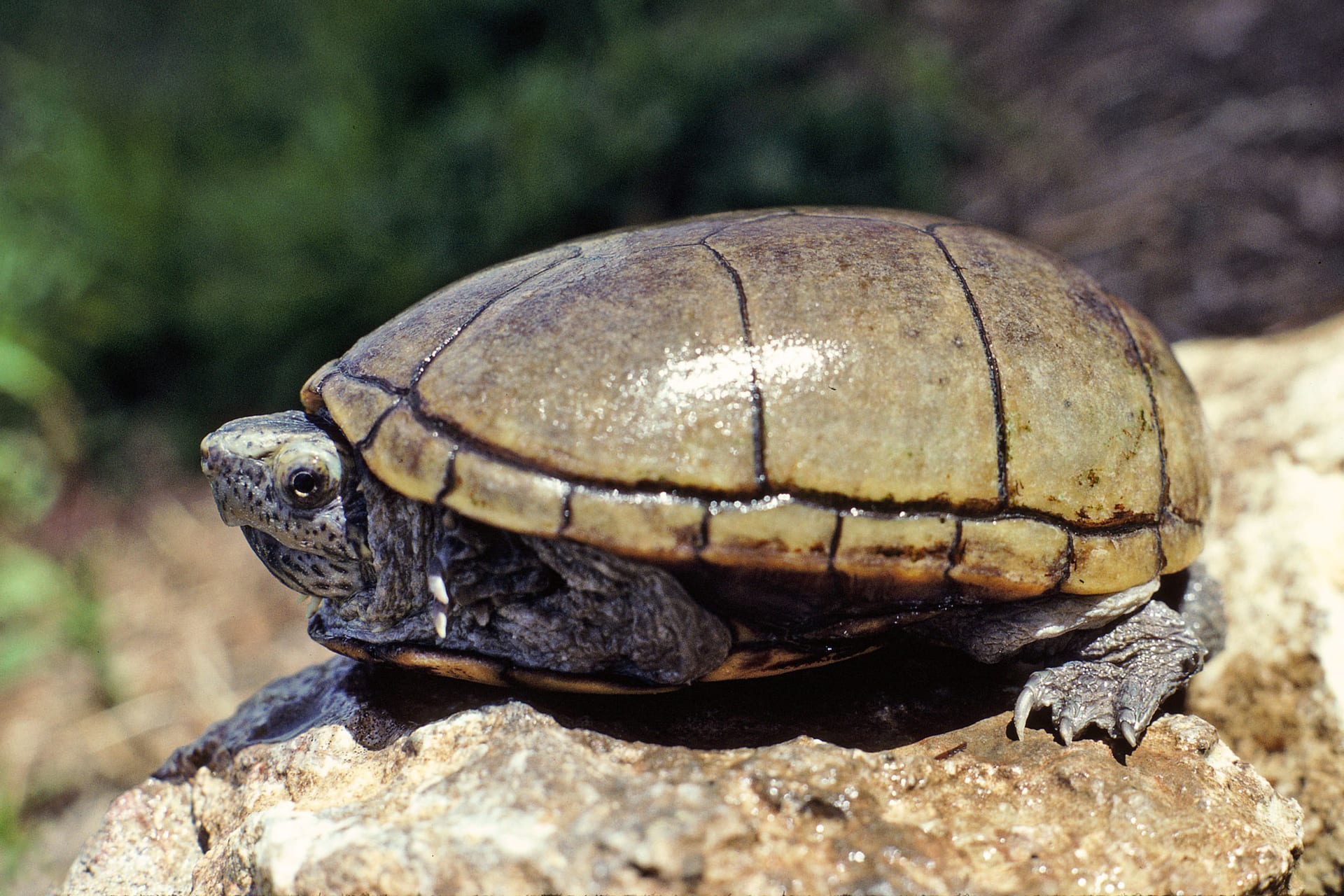
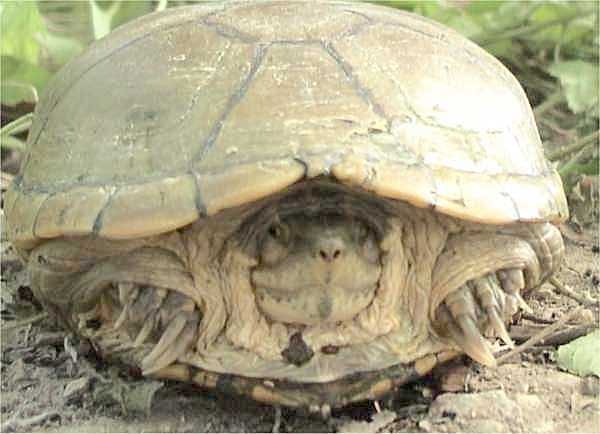
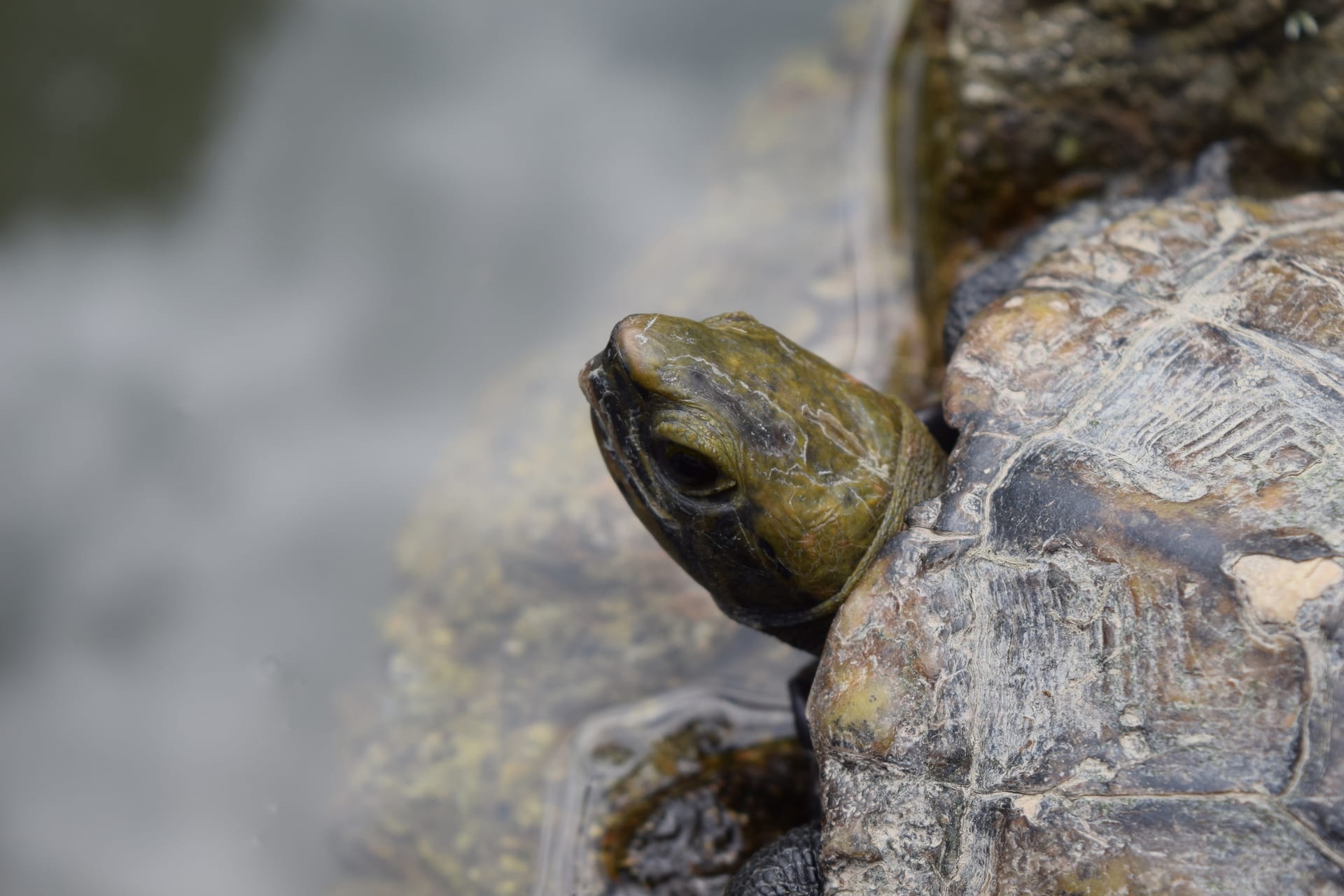
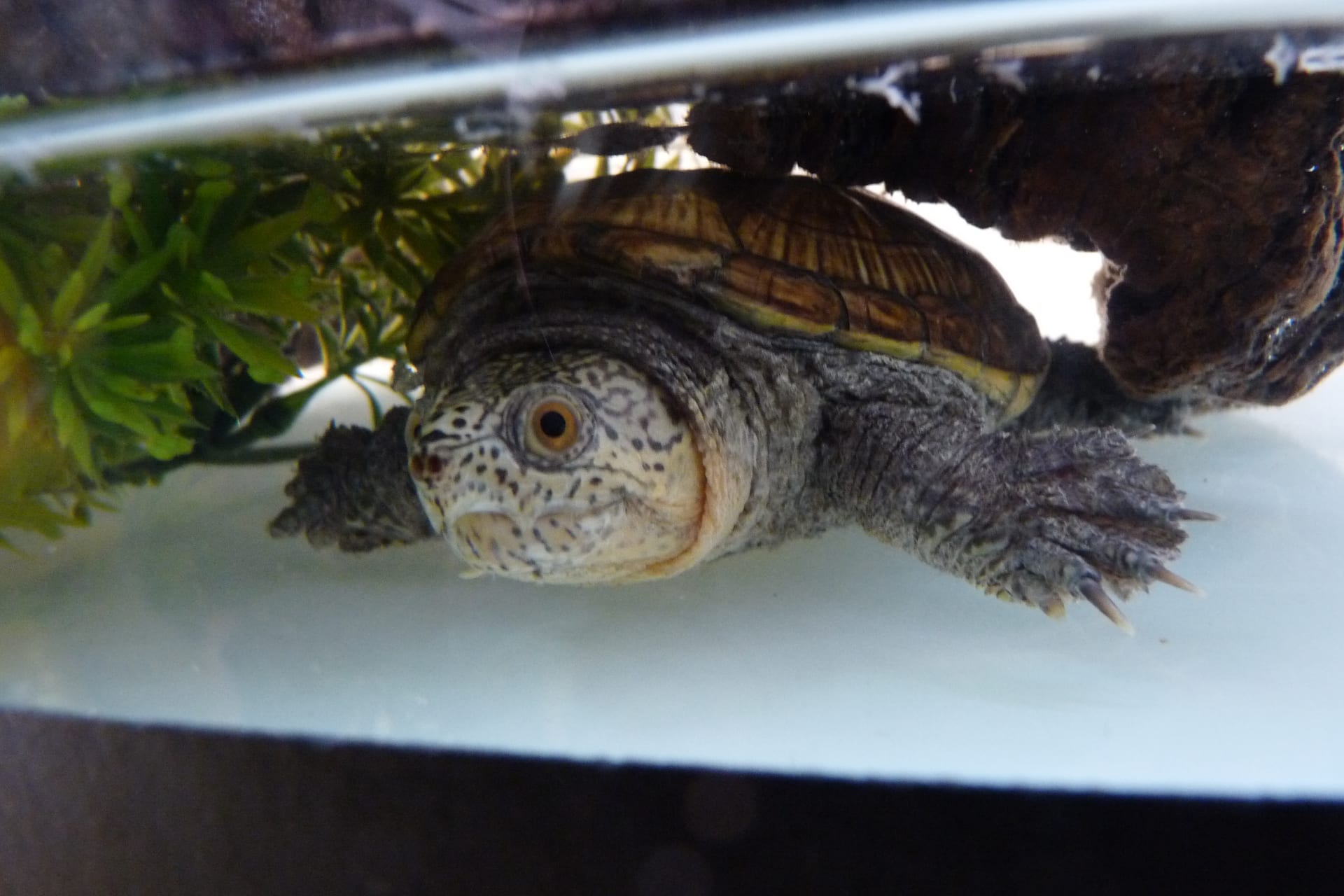
A mud turtle of shallow waters from Central America to north-western South America. It has a black or dark brown carapace, a yellow plastron and hinges that close the shell almost completely.
Difficulty
Beginner
Temperature
25〜32℃
Lifespan
Few data on lifespan in captivity
Size
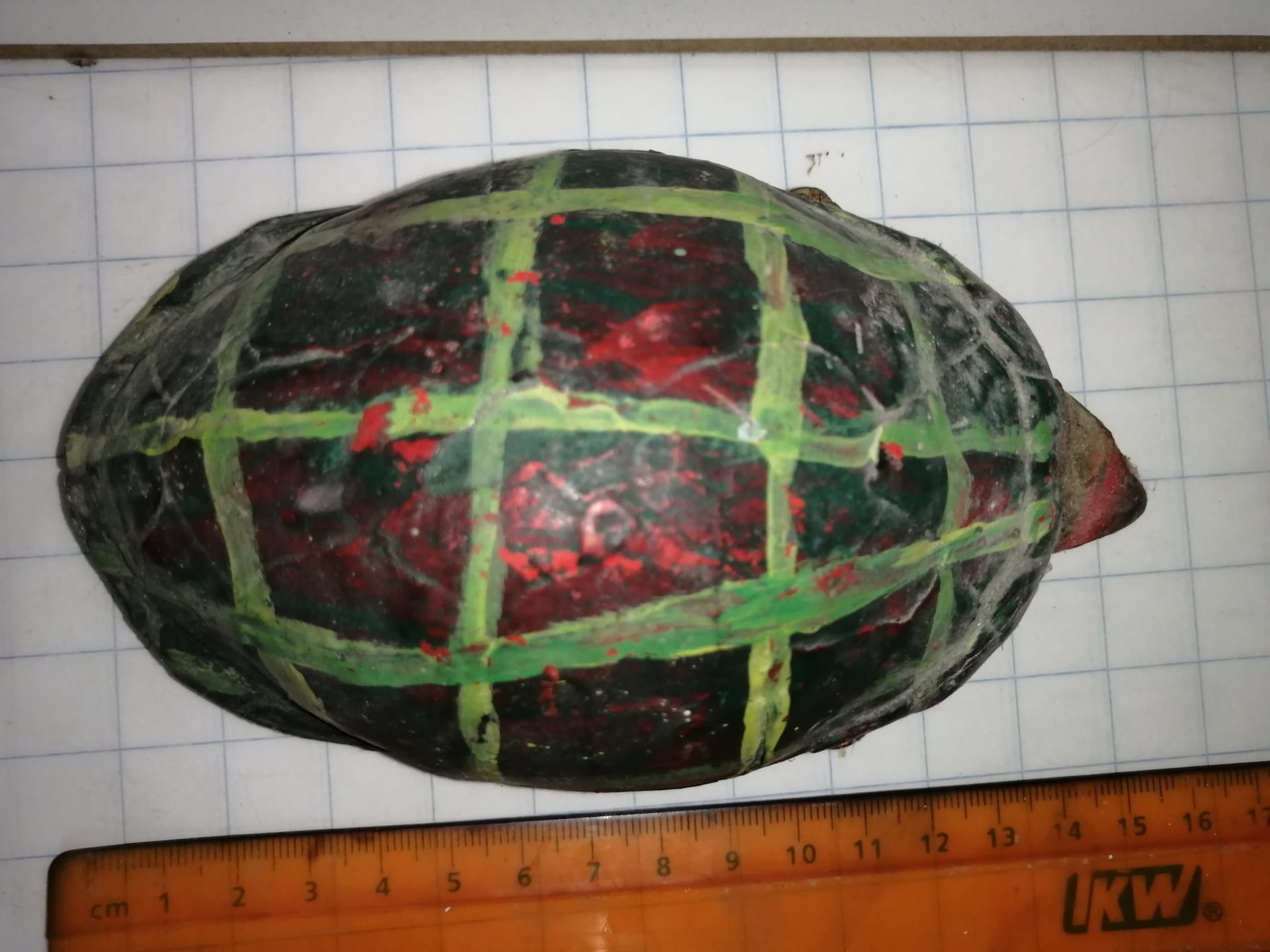
Maximum carapace length 17.4 cm (males larger; females up to 15.8 cm)
Humidity
40〜70%
Diet
Omnivore (insects, crustaceans, snails, fish, plants, fruit)
About
The white-lipped mud turtle is a kinosternid ranging from south-eastern Mexico through Belize, Guatemala, Honduras, Nicaragua, Costa Rica and Panama to Colombia, Ecuador and northern Peru. It reaches a maximum carapace length of 17.4 cm, and unusually for a mud turtle males grow larger than females, which reach 15.8 cm. The carapace is black or dark brown and usually unpatterned; the yellow to tan plastron has well-developed hinges that close the shell with almost no gap. Two subspecies are recognized: the nominate K. l. leucostomum and the southern K. l. postinguinale from Costa Rica southward, which has a flatter carapace, a narrower plastron and usually clearer head stripes. It lives in shallow, muddy, weedy backwaters of slow lowland rivers, ponds, marshes and ditches and is mainly nocturnal. It is an omnivore taking insects, crustaceans, snails, fish and plant leaves and fruit, and it swallows food underwater. In Japan the nominate subspecies is the more common, with imported animals and captive-bred stock from Japan and Europe available.
Source: Wikipedia (CC BY-SA 4.0)
Size of the White-lipped Mud Turtle
The White-lipped Mud Turtle grows to Maximum carapace length 17.4 cm (males larger; females up to 15.8 cm).
Basic Info
Origin
South-eastern Mexico through Central America to Colombia, Ecuador and northern Peru
Lifespan
Few data on lifespan in captivity
Size
Maximum carapace length 17.4 cm (males larger; females up to 15.8 cm)
Temperature
25〜32℃
References & Sources
Edited & verified by: BreederDirect editorial team
The taxonomic, regulatory, and husbandry data on this page are compiled and verified against the authoritative primary sources below.
Taxonomy & Authority
Accepted name: Kinosternon leucostomum (Duméril, Bibron & Duméril, 1851)
Synonyms: Cinosternon leucostomum Duméril, Bibron & Duméril, 1851, Cinosternum brevigulare Cope, 1885, Cinosternum brevigulare Günther, 1885, Cinosternum cobanum Günther, 1885, Cinosternum leucostomum Boulenger, 1889
Authority databases: GBIF · The Reptile Database: Kinosternon leucostomum · GBIF: Kinosternon leucostomum
Nomenclature follows global taxonomic authority databases.
Regulations & Conservation Status
CITES Appendix II
Listed in CITES Appendix II. International trade requires an export permit from the country of origin, but no registration is needed to keep or transfer the animal within Japan. The whole genus Kinosternon has been listed since 23 February 2023.
Sources: Species+ (CITES): Kinosternon leucostomum
Regulations may change. Always verify the latest information with the relevant authorities.
White-lipped Mud Turtle Listings
Loading latest listingsFind listings for this species