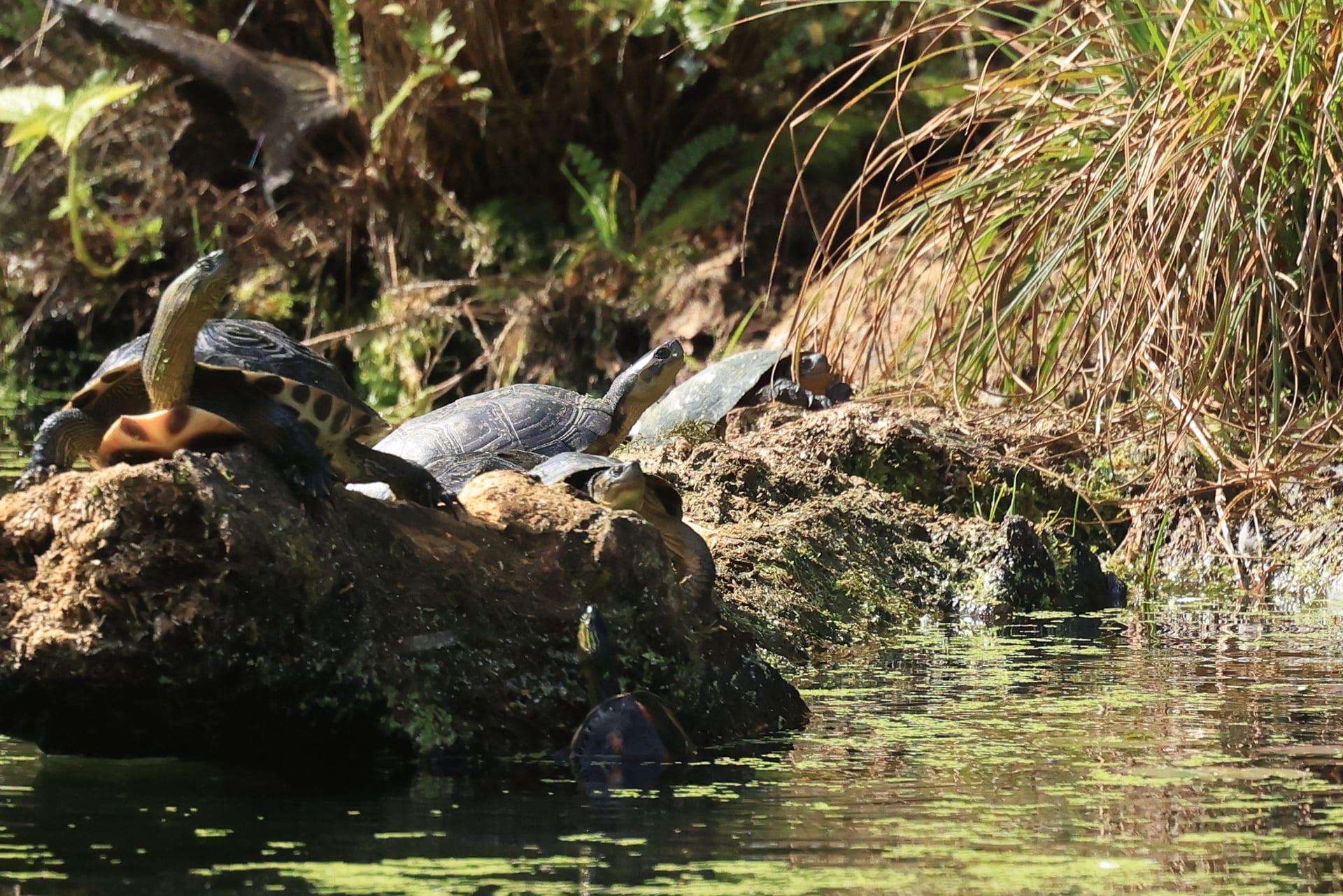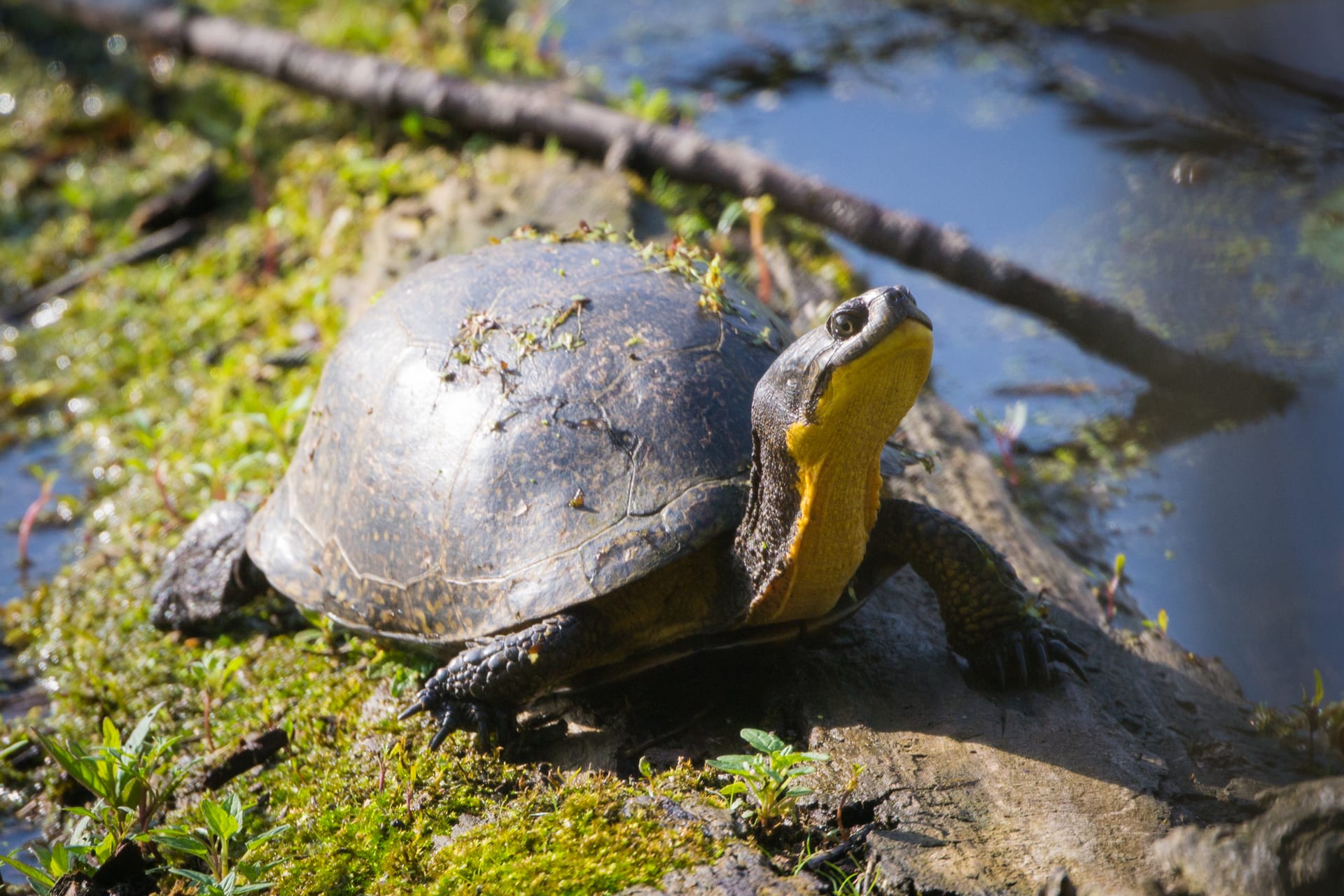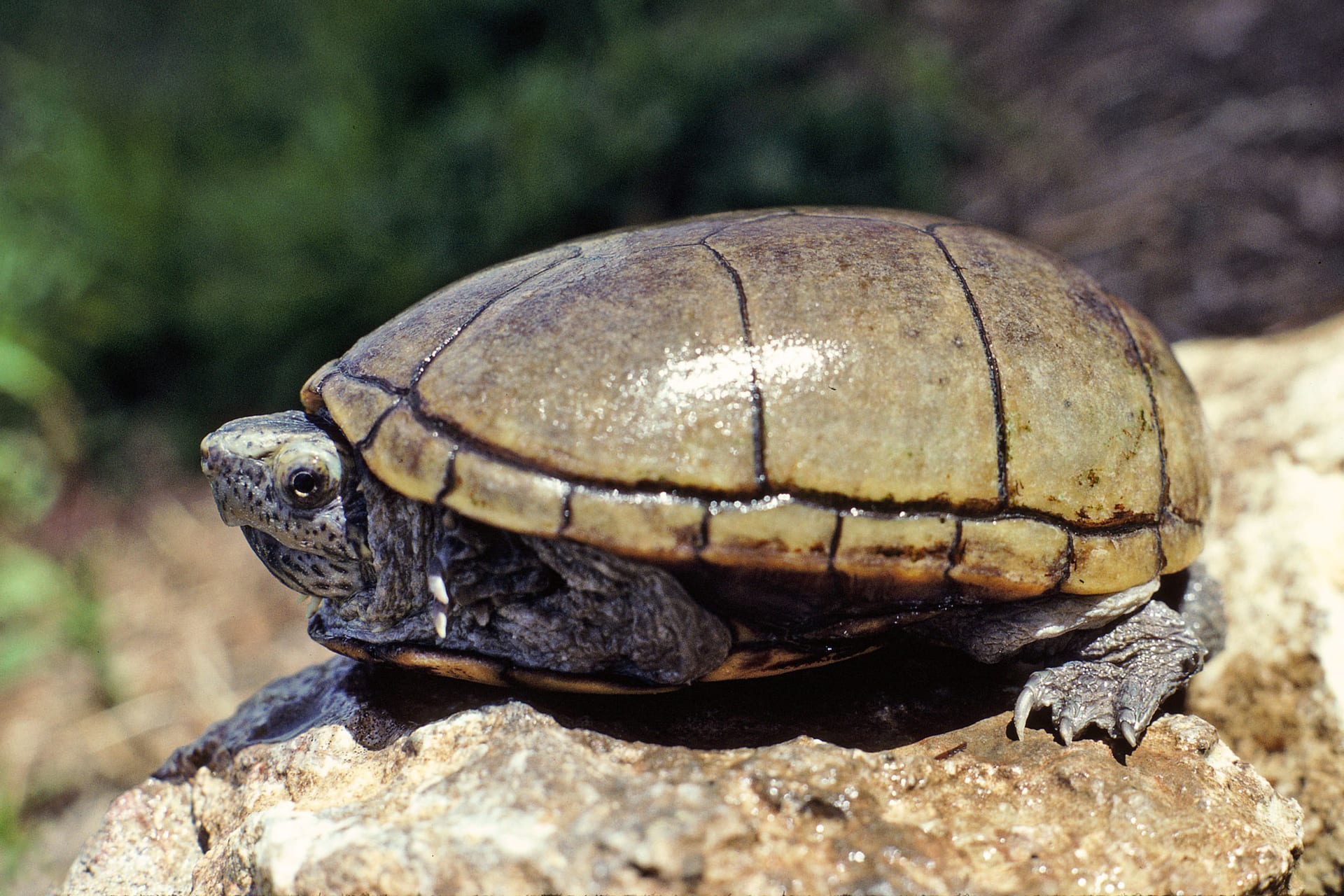
Source: Wikimedia Commons
Mississippi Mud Turtle
BeginnerKinosternon subrubrum hippocrepis
A subspecies of the eastern mud turtle of eastern North America. A small aquatic turtle about 10 cm long with a plain, keelless carapace and a double-hinged plastron.
Difficulty
Beginner
Temperature
25〜32℃ (typical for Reptile & Amphibian)
Size
Carapace length 7.6-10.2 cm (species-level figure)
Humidity
40〜70%
Diet
Omnivore (aquatic insects, snails, crustaceans)
About
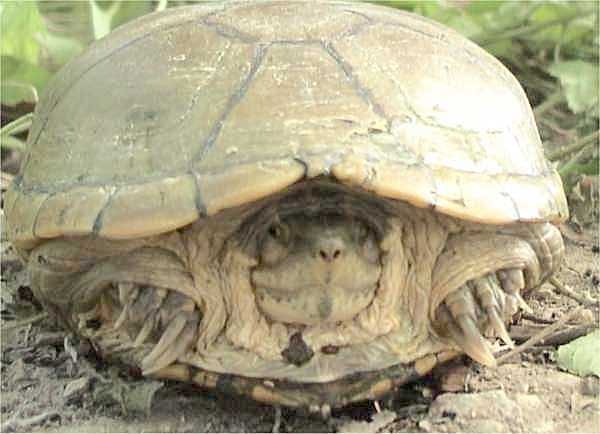
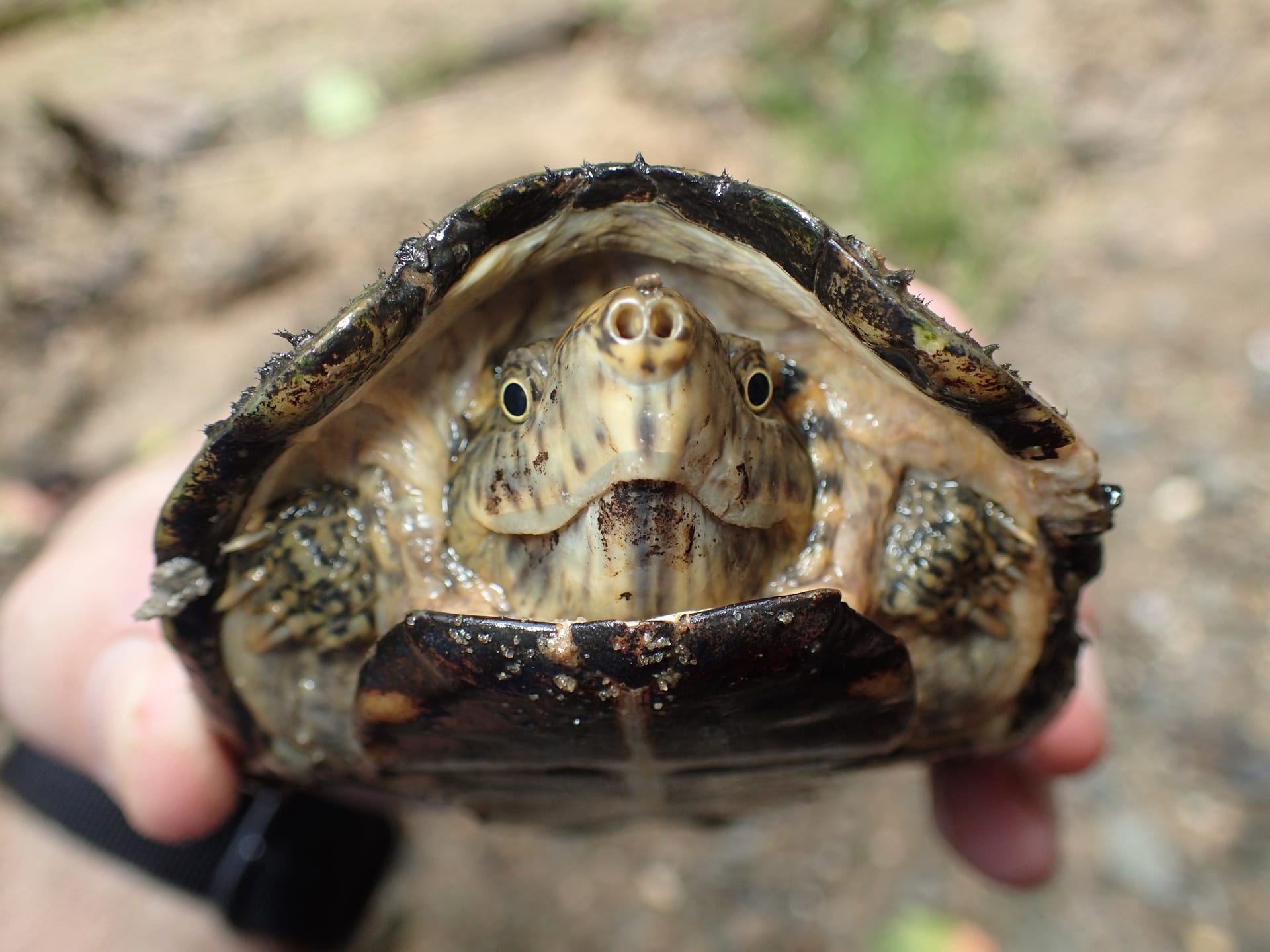
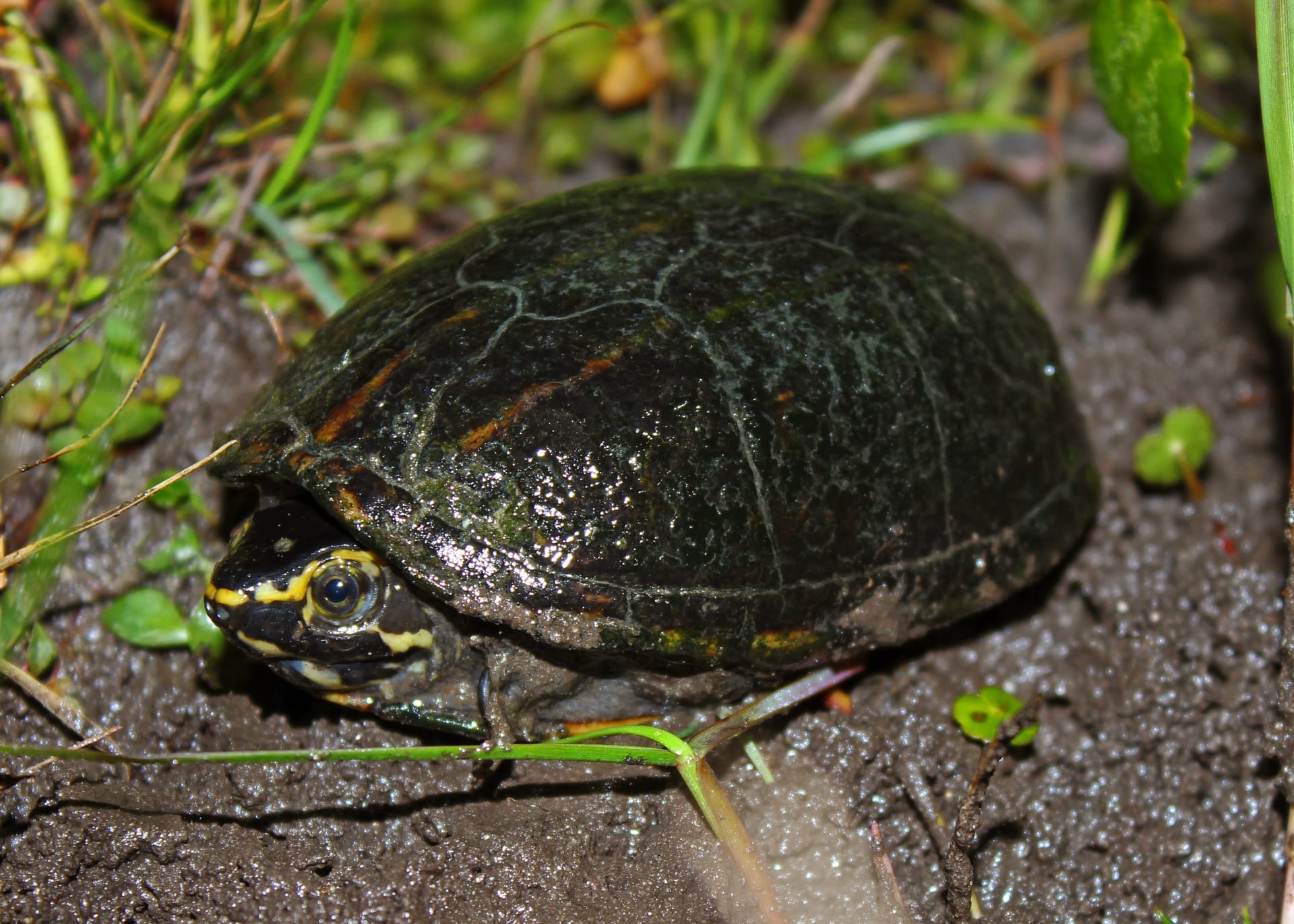
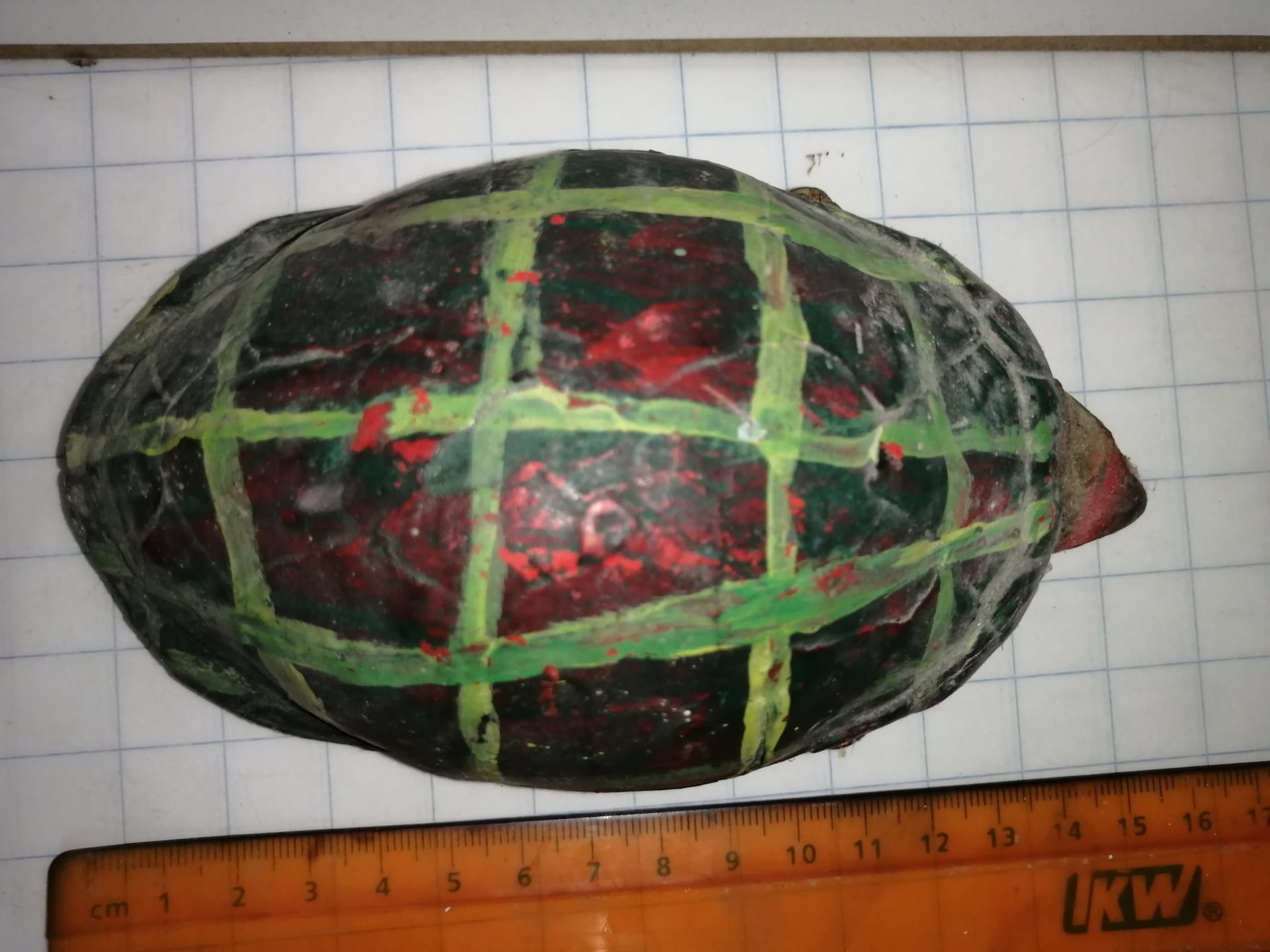
The Mississippi mud turtle is Kinosternon subrubrum hippocrepis, a subspecies of the eastern mud turtle. The species ranges widely across the eastern and southern United States, from New York to Florida and west to Texas and Oklahoma, and three subspecies are recognized: the nominate form, this one and the Florida mud turtle (K. s. steindachneri). This subspecies ranges mainly through the Mississippi River basin, including Louisiana, Texas, eastern Oklahoma, Arkansas, southeastern Missouri, Mississippi, western Tennessee and southeastern Illinois. The species is small, 7.6 to 10.2 cm in carapace length, and often hard to identify. The carapace is keelless and unpatterned, varying from yellowish to black. The large plastron has two hinges and is yellowish to brown, sometimes with a dark pattern. The chin and throat are yellowish grey streaked and mottled with brown, the limbs and tail are greyish, and the iris is yellow with dark clouding. It lives in weedy fresh waters such as rivers, lakes, ponds, ditches and swamps, rarely basks and hibernates by burrowing into mud. In Japan small numbers are sold by specialist shops.
Source: Wikipedia (CC BY-SA 4.0)
Size of the Mississippi Mud Turtle
The Mississippi Mud Turtle grows to Carapace length 7.6-10.2 cm (species-level figure).
Basic Info
Origin
United States (the south, centred on the Mississippi River basin)
Size
Carapace length 7.6-10.2 cm (species-level figure)
Temperature
25〜32℃ (typical for Reptile & Amphibian)
Humidity
40〜70%
References & Sources
Edited & verified by: BreederDirect editorial team
The taxonomic, regulatory, and husbandry data on this page are compiled and verified against the authoritative primary sources below.
Taxonomy & Authority
Accepted name: Kinosternon subrubrum hippocrepis Gray, 1856
Synonyms: Kinosternon hippocrepis Gray, 1856, Cinosternon hippocrepis
Authority databases: GBIF · The Reptile Database: Kinosternon subrubrum · GBIF: Kinosternon subrubrum hippocrepis
Nomenclature follows global taxonomic authority databases.
Regulations & Conservation Status
CITES Appendix II
Listed in CITES Appendix II. International trade requires an export permit from the country of origin, but no registration is needed to keep or transfer the animal within Japan. The genus Kinosternon has been listed in Appendix II since 23 February 2023, except for two species listed in Appendix I (K. cora and K. vogti). This subspecies is covered as part of Kinosternon subrubrum.
Sources: Species+ (CITES): Kinosternon subrubrum
Regulations may change. Always verify the latest information with the relevant authorities.
Mississippi Mud Turtle Listings
Loading latest listingsFind listings for this species