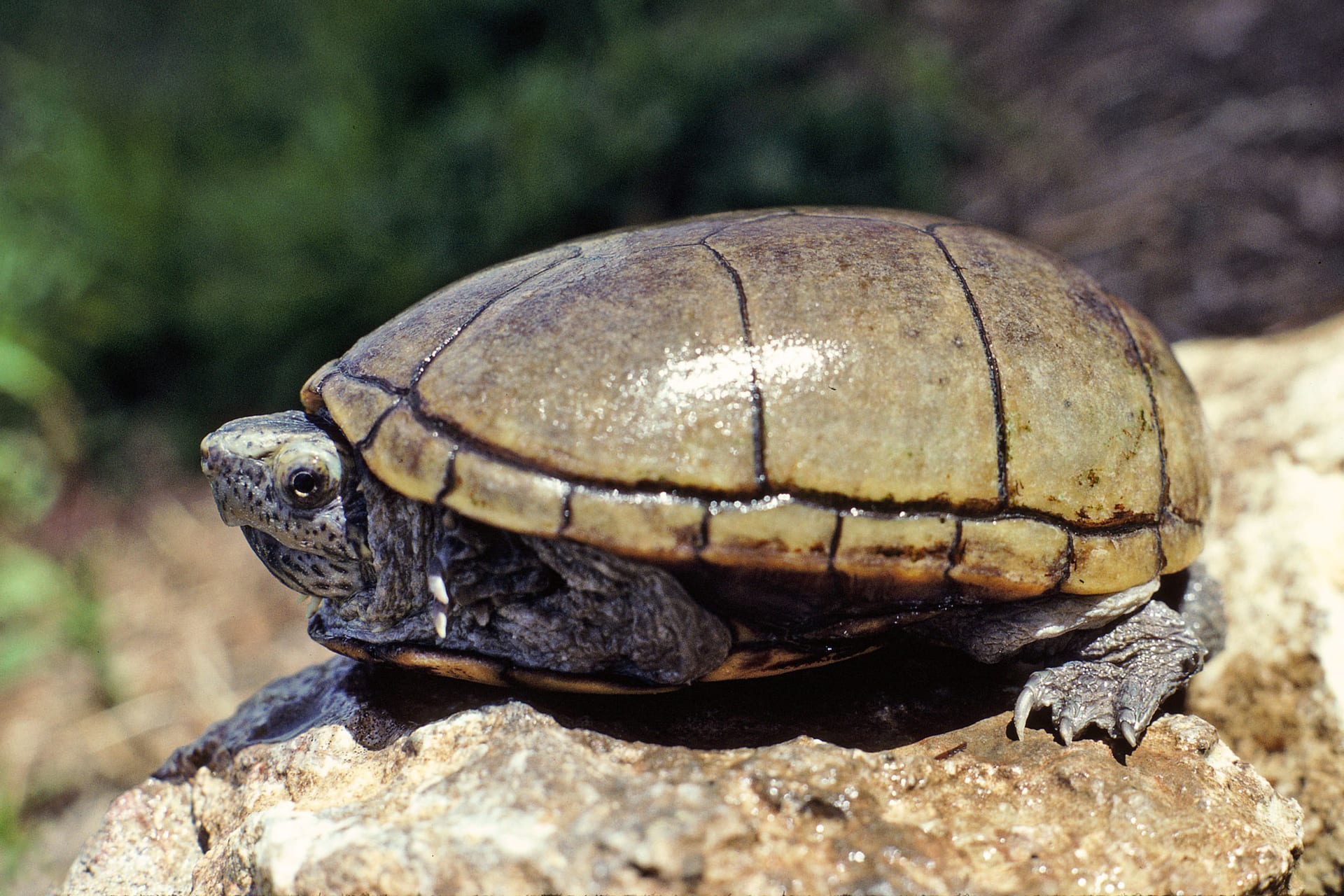
 © Kristof Zyskowski / CC BY 4.0
Mississippi Mud Turtle
The Mississippi Mud Turtle is a subspecies of the Eastern Mud Turtle, native to a broad range across the eastern United States. It's a small, fully aquatic turtle that tops out around 10 cm in shell length, with a plain, keel-less carapace and a distinctive plastron featuring two hinges that let it close up snugly when startled. Calm and unassuming by nature, it spends most of its time submerged, making it a rewarding species to watch in a well-set-up tank. Its modest adult size also makes it an approachable choice for newcomers to aquatic turtle keeping.
View Mississippi Mud Turtle encyclopedia →0% commission on your first sales!Register by September 30, 2026 and your first 2 sales are commission-free!
Breeder Wanted!
List on BreederDirect and sell directly to customers nationwide!
6 Transparency Promises from Br-Choku
Every Reptiles & Amphibians from verified Breeder breeders includes complete information: morph, genetics, feeding requirements, and temperament details.
- Morph Information
- Actual Photos
- Feeding Information
- Temperament Information
- Genetics Information
- Age (Months)
Browse all 319 breeds
Difficulty Level
Feeding Type
Temperament
Verified breeders wanted for Reptiles & Amphibians
Breeders are signing up now ahead of launch. Subscribe to be notified when new listings go live.
Getting alerts is free with a member account. When new listings match your saved search, we'll notify you by email and in-app.
Browse other categories
Verified breeders (preview)
Are you raising reptiles & amphibians?
Register as a breeder and connect with buyers directly.
Apply as a breederMississippi Mud Turtle key facts
- Care level
- Beginner-friendly
- Lifespan
- Few data on lifespan in captivity
- Size
- Carapace length 7.6-10.2 cm (species-level figure)
- Diet
- Omnivore (aquatic insects, snails, crustaceans)
- Housing
- A small aquatic turtle of shallow, weedy fresh water. Use a tank without excessive depth, plus a haul-out area.
- Diet & Feeding
- Mud turtles are omnivores that feed underwater; combine pellets with small fish, snails, shrimp and insects.
- Temperature & Humidity
- Wild animals hibernate buried in mud. It rarely basks, but still provide a dry area and heating.
- Health & Cautions
- It prefers clean, oxygenated water, so maintain water quality with filtration and regular changes.
- Notes
- The three subspecies look alike, so check locality information when buying an animal sold as a Mississippi mud turtle. Never release a captive animal into the wild.
About Mississippi Mud Turtle
A small, fully aquatic turtle native to the eastern US, growing to about 10 cm with a plain, keel-less shell and a double-hinged plastron. A beginner-friendly species.
7 things to know before welcoming a Mississippi Mud Turtle
1Spends Most Time in Water
This is an aquatic turtle of shallow, weedy fresh water that spends more time walking along the bottom than swimming. Keep the water fairly shallow, and although it doesn't bask much, still provide a land area and heating in the tank.
2A Compact Adult Size
Adults typically reach a shell length of about 7.6 to 10.2 cm, placing them among the smaller aquatic turtles. This modest size means they generally require less tank space than larger species.
3Plain, Keel-Less Carapace
The upper shell lacks a raised ridge (keel) and has a simple, largely unmarked appearance. This smooth, understated look is one of the traits that helps distinguish it from other mud turtles.
4A Double-Hinged Plastron
The bottom shell (plastron) has two hinges, allowing it to close more securely around the body than in many other turtles. It's one of the more distinctive structural features of this species.
5Calm but Shy by Nature
This turtle is generally docile and easily startled, often withdrawing into its shell or diving to the bottom when disturbed. It's better suited to quiet observation than frequent handling.
6Limited Lifespan Data
There isn't much documented data on captive lifespans for this particular species. It's best to plan for a long-term commitment and set up care routines you can sustain over time.
7Prepare the Tank in Advance
Since this is an aquatic species, set up a filtered tank with a basking area and appropriate heating before bringing one home. Sudden changes in water quality can stress them, so acclimate new turtles slowly and carefully. Note that this species is listed under CITES Appendix II.
Frequently asked questions about Mississippi Mud Turtle
- Q.Is the Mississippi Mud Turtle suitable for beginners?
- A.Yes, it's generally considered a beginner-friendly species. With standard aquatic turtle equipment — filtration, a basking area, and heating — it's a manageable turtle to start with.
- Q.How large does it grow?
- A.Adults reach a shell length of roughly 7.6 to 10.2 cm, making them a small aquatic turtle overall. This subspecies typically settles around the 10 cm mark.
- Q.How can I tell it apart from other mud turtles?
- A.Key identifying features include a plain, keel-less carapace and a plastron with two hinges. These traits help distinguish it from closely related species.
- Q.Does it bond well with people?
- A.It tends to be calm but shy, often retreating into its shell or hiding when startled. It's better suited to being observed in a quiet setup than to frequent handling.
- Q.How long does it live in captivity?
- A.There isn't much established data on captive lifespans for this species, so a precise figure isn't available. It's wise to prepare for a long-term commitment and maintain a stable environment regardless.
Useful tools for Mississippi Mud Turtle care
Learn more about Mississippi Mud Turtle in the encyclopedia
View Mississippi Mud Turtle encyclopedia entry →
Care difficulty, lifespan, size and diet — all basics covered.
More in this category
Can't find the one you're looking for?
Post your wishes for free and breeders with matching animals will contact you with introductions.