Zimmermann's Poison Frog
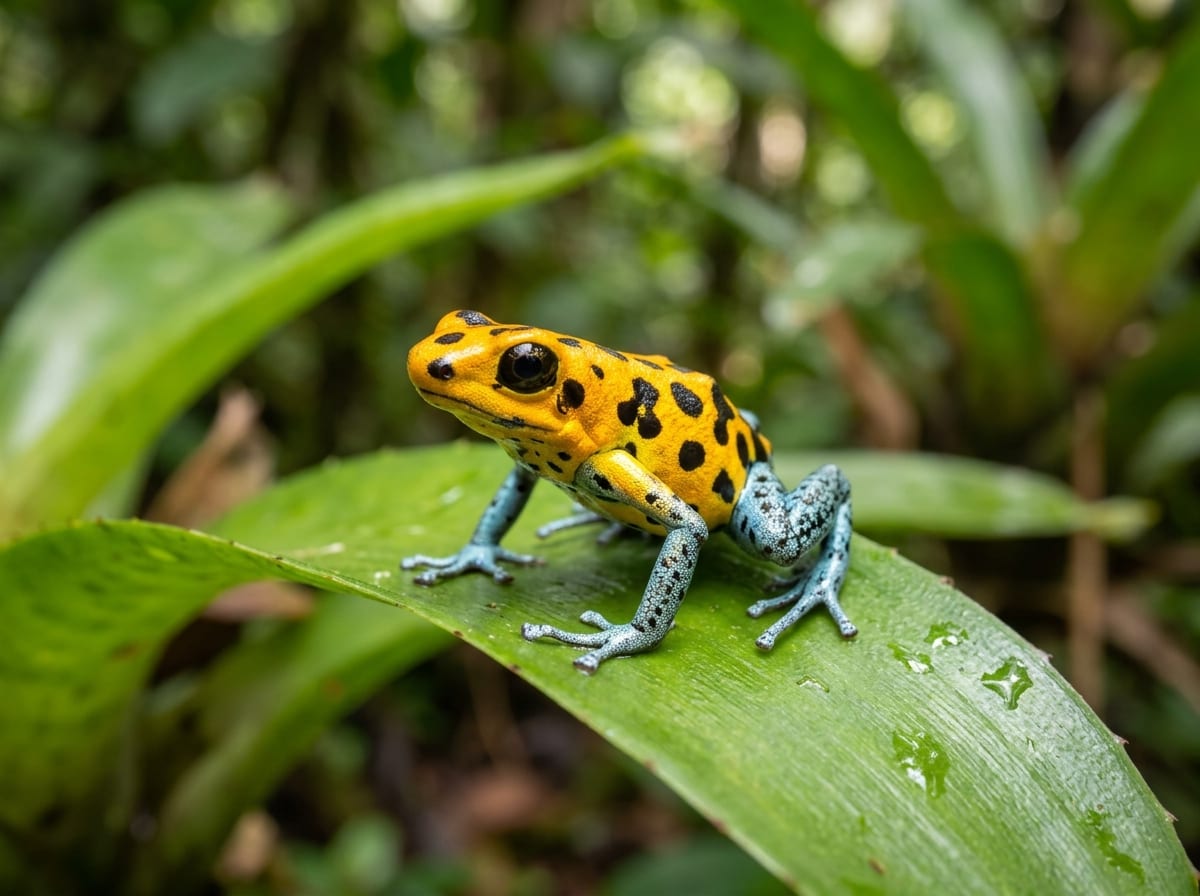
Zimmermann's poison frog is a small dart frog with a yellow-to-green base color marked by black spots or stripes and strikingly blue legs. Look for the black dot on the snout tip and the black Y-shaped marking on the back to tell it apart from similar species. In the wild, males alone carry newly hatched tadpoles on their backs to sparsely occupied water pools, a parenting behavior that makes this species fascinating to watch. It's generally considered suited to intermediate keepers rather than first-time dart frog owners, so some prior experience with the group helps. Calm and quiet by nature, it's popular among keepers who enjoy observing its vivid coloration up close.
View Zimmermann's Poison Frog encyclopedia →0% commission on your first sales!Register by September 30, 2026 and your first 2 sales are commission-free!
Breeder Wanted!
List on BreederDirect and sell directly to customers nationwide!
6 Transparency Promises from Br-Choku
Every Reptiles & Amphibians from verified Breeder breeders includes complete information: morph, genetics, feeding requirements, and temperament details.
- Morph Information
- Actual Photos
- Feeding Information
- Temperament Information
- Genetics Information
- Age (Months)
Browse all 319 breeds
Difficulty Level
Feeding Type
Temperament
Verified breeders wanted for Reptiles & Amphibians
Breeders are signing up now ahead of launch. Subscribe to be notified when new listings go live.
Getting alerts is free with a member account. When new listings match your saved search, we'll notify you by email and in-app.
Browse other categories
Verified breeders (preview)
Are you raising reptiles & amphibians?
Register as a breeder and connect with buyers directly.
Apply as a breederZimmermann's Poison Frog key facts
- Care level
- Intermediate
- Lifespan
- Poison frogs are said to live 10-15 years in captivity
- Size
- A small poison frog (females larger than males)
- Temperature
- 21〜27℃
- Humidity
- 80〜100%
- Diet
- Carnivore (springtails, fruit flies and other tiny insects)
- Temperature & Humidity
- As a general poison-frog guideline keep 21-27°C; air temperatures in its habitat range from 16 to 32°C, lower in the dry season. Keep humidity at 80-100%.
- Housing
- Use a glass terrarium with plenty of plants and moss; bromeliads or other plants that hold small pools help encourage breeding behavior.
- Diet & Feeding
- Feed tiny live prey such as fruit flies and springtails, dusted with calcium every time.
- Temperament
- Small and somewhat shy; best kept for observation.
- Health & Cautions
- Tadpoles are cannibalistic, so raise them separately when breeding. Amphibians can carry infectious diseases such as chytridiomycosis, so never release captive animals or pour tank water into the wild.
- Notes
- Color varies greatly by locality and a mimic species exists, so always confirm the scientific name and locality when buying.
About Zimmermann's Poison Frog
A small poison frog with yellow-to-green coloring and blue legs, identified by a black-tipped snout and a black Y-mark on the back. Its colors and patterns vary by region, and it suits intermediate keepers.
7 things to know before welcoming a Zimmermann's Poison Frog
1Humidity Matters Most
Coming from tropical rainforest floors, this frog needs a vivarium that stays humid while still getting some airflow. Regular misting or an automated system keeps humidity stable, avoiding both stagnant, overly wet conditions and dry spells.
2Look for the Dot and Y-Mark
A black dot on the tip of the snout and a black Y-shaped marking on the back are the key features to look for. The yellow-to-green body color and blue leg tone vary between individuals, so these two markings are the more reliable identifiers.
3Males Carry the Tadpoles
In the wild, males alone carry newly hatched tadpoles on their backs to uncrowded pools of water, a distinctive parental care behavior. With this in mind, if keeping more than one frog, provide ample hiding spots and water sources so individuals aren't forced into close, crowded contact.
4Active During the Day
Unlike many amphibians, poison frogs are diurnal, so you can regularly watch them being active during the day. That said, they're sensitive to noise and sudden movement, so observing quietly without startling them is best.
5Feed Small Live Insects
Because of its small mouth, feed appropriately sized live prey such as springtails or fruit flies. Dusting feeder insects with calcium and vitamin supplements helps maintain balanced nutrition over the long term.
6Toxicity Comes From Diet
Poison frog toxicity is thought to come from specific prey eaten in the wild, so captive-raised frogs fed farmed feeder insects generally aren't considered toxic. Even so, it's good practice to wash your hands after handling any amphibian.
7Intermediate Care Level
Because daily humidity and temperature management and a steady supply of tiny live food take some know-how, this species is generally considered suitable for intermediate keepers. Its coloring varies greatly by region and a mimic species (the Mimic Poison Frog) exists, so always confirm the scientific name and locality when buying.
Frequently asked questions about Zimmermann's Poison Frog
- Q.Is the Zimmermann's poison frog toxic?
- A.Wild individuals are known to carry toxins in their skin, but this is thought to come from specific prey eaten in the wild. Frogs raised in captivity on farmed feeder insects and prepared foods are generally not considered toxic.
- Q.Is this frog suitable for beginners?
- A.This species is generally considered suited to intermediate keepers, since humidity and temperature management take some skill. It's a better fit for someone with prior amphibian or dart frog keeping experience.
- Q.Can it be kept together with other frogs?
- A.In the wild, males seek out uncrowded water pools for their tadpoles, so this species doesn't do well in overly dense setups. If keeping several frogs together, provide plenty of hiding spots and water sources to avoid overcrowding.
- Q.How big does it grow?
- A.This is a small species of poison frog, with females typically growing larger than males. Even as adults, they remain small enough to fit comfortably in the palm of a hand.
- Q.Are there any legal considerations for keeping or buying one?
- A.The Zimmermann's poison frog is listed on CITES Appendix II. It's a good idea to check current information when purchasing or trading this species.
Useful tools for Zimmermann's Poison Frog care
Learn more about Zimmermann's Poison Frog in the encyclopedia
View Zimmermann's Poison Frog encyclopedia entry →
Care difficulty, lifespan, size and diet — all basics covered.
More in this category
Can't find the one you're looking for?
Post your wishes for free and breeders with matching animals will contact you with introductions.