 © Charles J. Sharp / CC BY-SA 4.0
Peacock Day Gecko
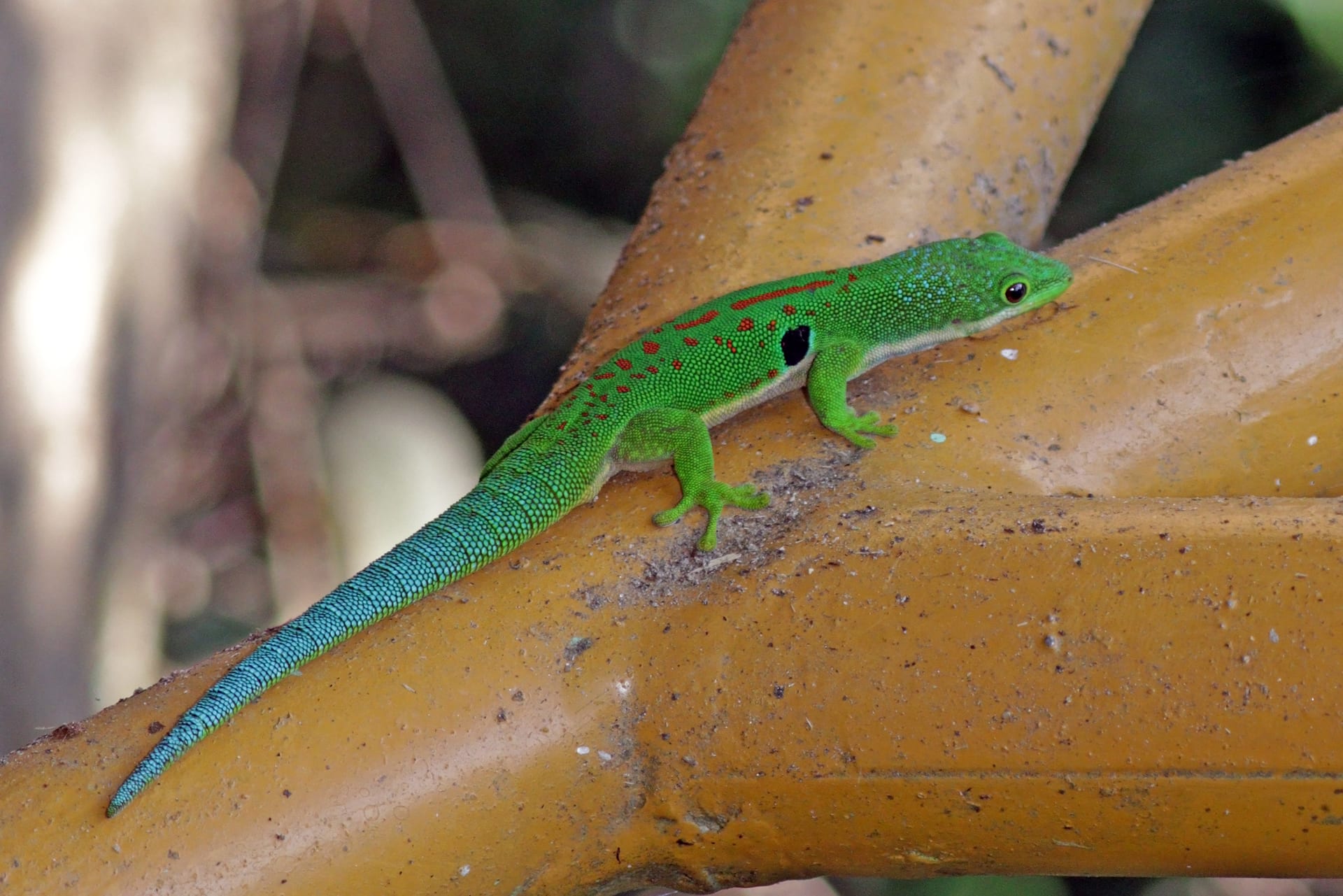
The Peacock Day Gecko is a strikingly green gecko native to eastern Madagascar. Its common name comes from the dark blotch behind each front leg, resembling a peacock's eye, with wild individuals showing either two or four spots depending on where they come from. Adults reach roughly 12cm in total length, making them a compact, manageable size, and as a diurnal species they stay active during the day so keepers can enjoy watching their vivid coloring and quick movements up close. Confident and always on the move, they're entertaining to watch as they navigate a well-planted, vertical enclosure. That said, dialing in their temperature and humidity takes some experience, which is why they're generally recommended for intermediate keepers rather than absolute beginners.
View Peacock Day Gecko encyclopedia →0% commission on your first sales!Register by September 30, 2026 and your first 2 sales are commission-free!
Breeder Wanted!
List on BreederDirect and sell directly to customers nationwide!
6 Transparency Promises from Br-Choku
Every Reptiles & Amphibians from verified Breeder breeders includes complete information: morph, genetics, feeding requirements, and temperament details.
- Morph Information
- Actual Photos
- Feeding Information
- Temperament Information
- Genetics Information
- Age (Months)
Browse all 319 breeds
Difficulty Level
Feeding Type
Temperament
Verified breeders wanted for Reptiles & Amphibians
Breeders are signing up now ahead of launch. Subscribe to be notified when new listings go live.
Getting alerts is free with a member account. When new listings match your saved search, we'll notify you by email and in-app.
Browse other categories
Verified breeders (preview)
Are you raising reptiles & amphibians?
Register as a breeder and connect with buyers directly.
Apply as a breederPeacock Day Gecko key facts
- Care level
- Intermediate
- Lifespan
- Few data on lifespan in captivity
- Size
- About 12 cm total length (max 110-125 mm)
- Diet
- Omnivore (insects, nectar, ripe fruit)
- Housing
- A diurnal, arboreal gecko: use a tall enclosure with plants and branches. UVB lighting is considered necessary for day geckos.
- Diet & Feeding
- Day geckos eat insects plus nectar and ripe fruit in the wild. In captivity offer dusted insects such as crickets together with a fruit-based gecko diet.
- Temperature & Humidity
- It lives in tropical lowlands and mid-elevations; provide a warm basking spot by day and avoid chilling at night.
- Temperament
- Day geckos have delicate skin, so they are better for viewing than handling.
- Notes
- Spot number and size differ among subspecies and relatives such as P. parva, so check the scientific name and locality when buying. Never release a captive animal into the wild.
About Peacock Day Gecko
The Peacock Day Gecko is a vivid green gecko from eastern Madagascar, named for the peacock-eye-like markings on its sides. Reaching about 12cm long, it's a diurnal species that's easy to watch in action. Considered an intermediate-level pet, here's what to know before bringing one home.
7 things to know before welcoming a Peacock Day Gecko
1An Arboreal, Vertical Setup
This species is highly arboreal, so the enclosure should be tall with plenty of vertical space. Provide climbing branches and several hiding spots so your gecko can move freely up and down.
2Temperature and Humidity Matter
Keeping conditions close to their native Madagascar climate is essential, since excess dryness can lead to issues like incomplete shedding. Daily monitoring and regular misting are a core part of care.
3Diurnal and Easy to Watch
Unlike many geckos, this species is diurnal and stays active during the day. That makes it easy to observe natural behavior, and its bright green coloring really shows in daylight.
4Spot Count Varies by Origin
The dark side markings that give this species its name can number two or four depending on where the individual originates, and it's divided into three subspecies. Comparing these pattern and color differences is part of the appeal.
5Best Kept Alone
This species is territorial, and housing two together often leads to fighting. As a rule, keep one gecko per enclosure, and think carefully before attempting to house more than one.
6Thin, Delicate Skin
Their skin is thin and easily injured if handled roughly. It's best to keep handling to a minimum and enjoy this species mostly through observation.
7Diet: Insects and Fruit Nectar
Alongside feeder insects, they readily eat sweet, liquid foods like fruit nectar. Be sure to dust food with vitamin and calcium supplements for a balanced diet.
Frequently asked questions about Peacock Day Gecko
- Q.Is the Peacock Day Gecko suitable for beginners?
- A.This species is generally considered suitable for intermediate keepers, since managing temperature, humidity, and diet takes some prior experience. If you're new to reptile keeping, it's a good idea to build up some basic knowledge first.
- Q.How long do Peacock Day Geckos live?
- A.There isn't much published data on captive lifespan for this species. Providing consistent temperature, humidity, and diet plays a key role in supporting your gecko's health over time.
- Q.Can I handle my Peacock Day Gecko?
- A.Their skin is thin and delicate, so frequent handling isn't recommended. It's best enjoyed mostly through observation, with handling kept to a minimum when necessary.
- Q.Can I keep more than one together?
- A.They're territorial, and even geckos of the same species can fight when housed together. Keeping one per enclosure is generally recommended.
- Q.Is there anything to know before purchasing one?
- A.The Peacock Day Gecko is listed under CITES Appendix II. It's worth choosing a reputable seller and setting up an appropriate enclosure before bringing one home.
Useful tools for Peacock Day Gecko care
Learn more about Peacock Day Gecko in the encyclopedia
View Peacock Day Gecko encyclopedia entry →
Care difficulty, lifespan, size and diet — all basics covered.
More in this category
Can't find the one you're looking for?
Post your wishes for free and breeders with matching animals will contact you with introductions.